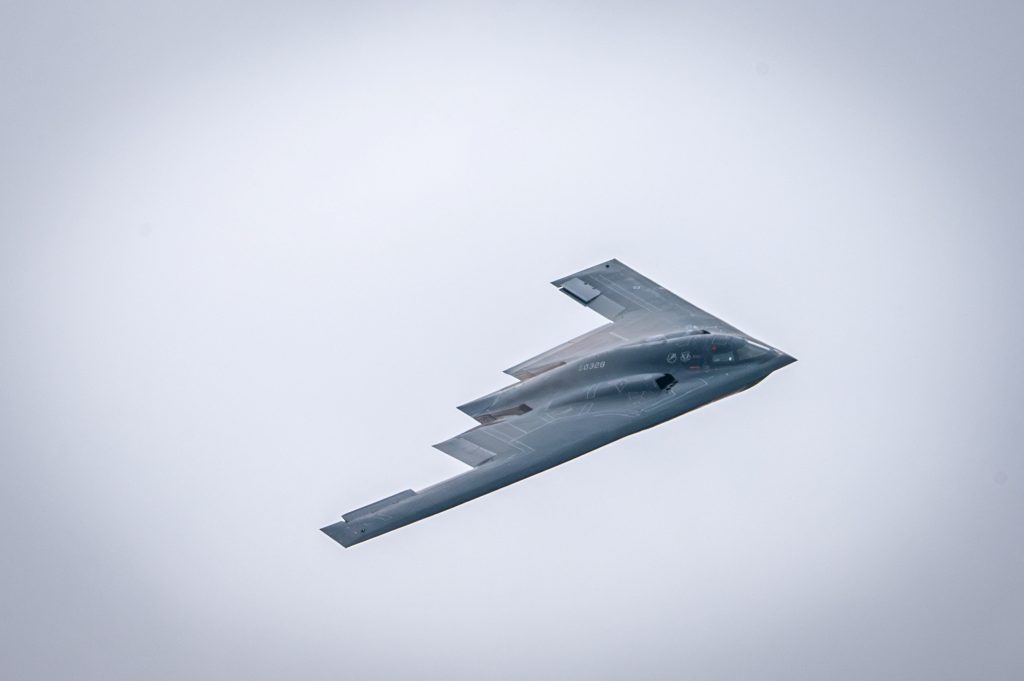
On June 22, 2025, the conflict in the Middle East intensified dramatically as the United States officially joined Israel in launching coordinated airstrikes on Iran’s nuclear facilities. Former U.S. President Donald Trump announced that the U.S. military had bombed three major Iranian nuclear sites—Fordow, Natanz, and Isfahan. According to Trump, the operations were highly successful, and the targeted facilities were completely destroyed. The airstrikes involved B-2 stealth bombers equipped with massive bunker-buster bombs, as well as Tomahawk cruise missiles, making this one of the most aggressive military actions against Iran’s nuclear infrastructure to date.
Fortunately, reports from the Iranian Atomic Energy Organization and the International Atomic Energy Agency (IAEA) confirmed that there were no radiation leaks following the attacks. These sites were reportedly evacuated before the strike, reducing the risk to civilians and environmental fallout. However, the geopolitical consequences were immediate and severe.
In retaliation, Iran launched a large-scale missile attack targeting several Israeli cities, including Tel Aviv, Haifa, and Jerusalem. The Israeli military intercepted many of the incoming missiles, but some caused damage and injuries. At least 20 people were reported injured due to debris and building collapses. In response, Israel quickly retaliated with its own airstrikes on Iranian military positions. Israeli Prime Minister Benjamin Netanyahu praised the joint operation, calling it historic and applauding Trump’s decision to intervene militarily.
Iran’s government condemned the airstrikes in the strongest possible terms, calling them a blatant violation of the United Nations Charter and the Nuclear Non-Proliferation Treaty. Iranian officials warned that the U.S. would face long-term consequences for its actions and vowed to retaliate further. Meanwhile, global leaders and organizations expressed grave concern over the situation. United Nations Secretary-General António Guterres described the attack as a dangerous escalation that threatens to destabilize the entire region.
Back in the United States, the legality of the military strike has sparked intense debate. Many lawmakers and legal scholars questioned whether Trump had the constitutional authority to order the attack without congressional approval. Some called for an investigation, and a few even suggested that such actions could be grounds for impeachment. International law experts, including the International Commission of Jurists, also criticized the move, stating that the strikes could potentially qualify as war crimes if conducted without proper legal justification.
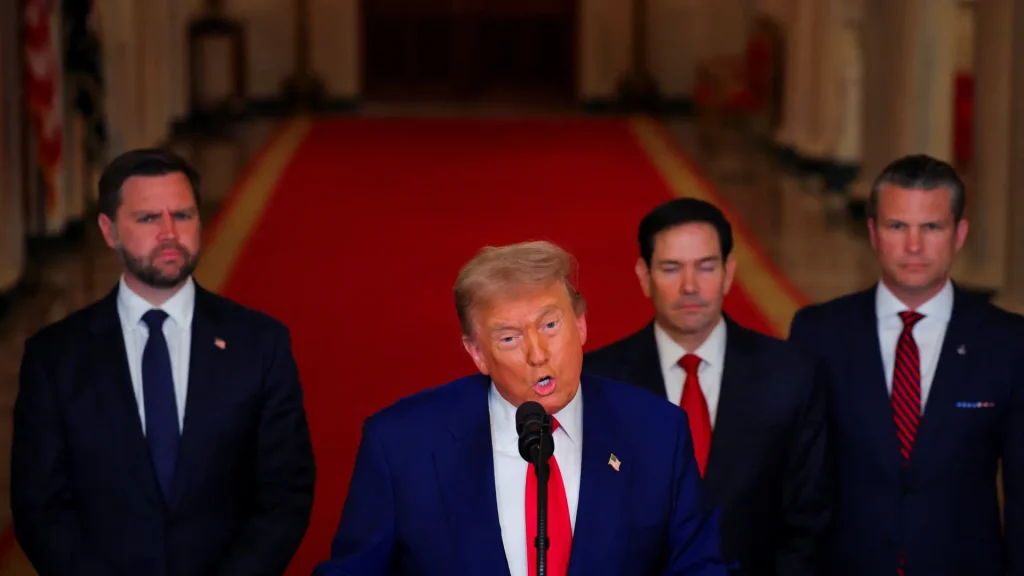
This military escalation marks a major turning point in U.S.-Middle East relations and raises fears of a broader regional war. While the immediate objective of damaging Iran’s nuclear capabilities appears to have been achieved without causing radiation fallout, the diplomatic, legal, and humanitarian consequences of this action are still unfolding. The world now watches closely as tensions between these nations continue to rise, with the possibility of more military engagement in the near future.