
The failure of ceasefire talks between the United States and Iran has raised fresh concerns in global markets, with experts warning of possible volatility in commodities and the Indian stock market.
Negotiations held in Islamabad over the weekend ended without any agreement. JD Vance confirmed that the US delegation returned home after Iran refused to assure that it would not pursue nuclear weapons. He described the proposal offered by the US as its “final and best offer.”
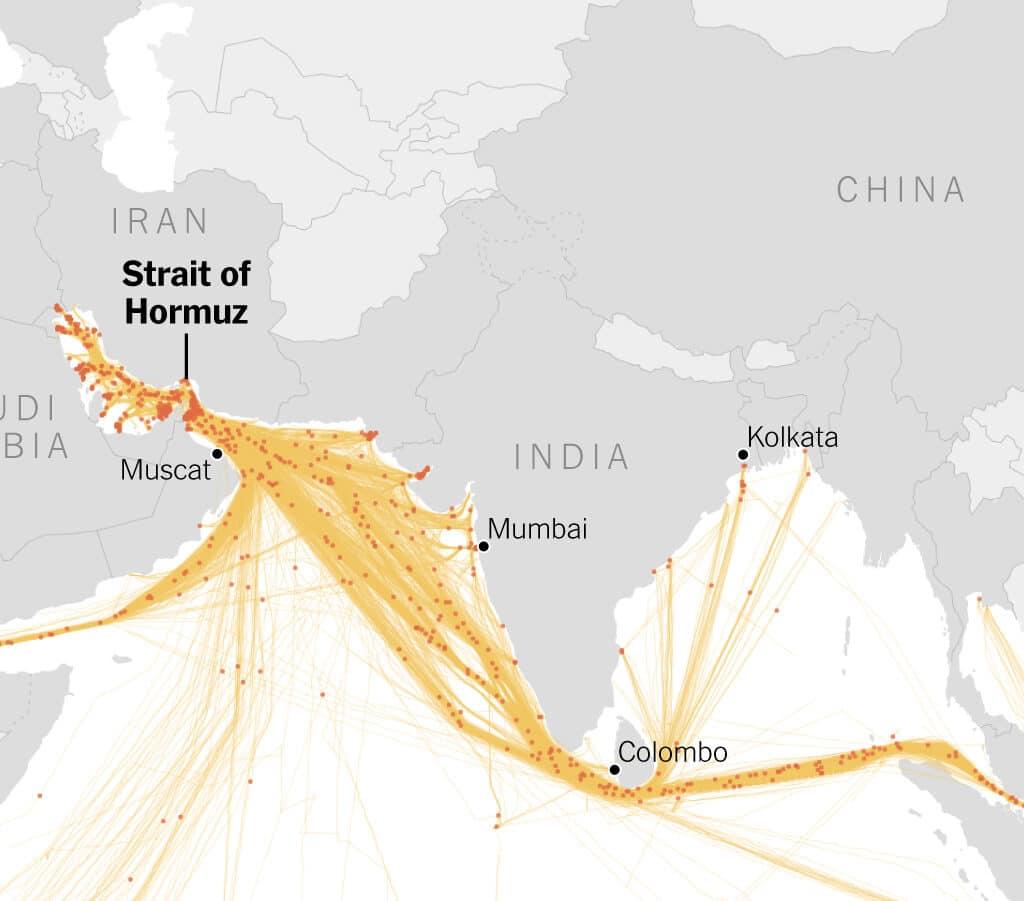
The breakdown in talks is expected to directly impact key global assets. Crude oil prices may remain unstable due to ongoing tensions, especially around the Strait of Hormuz, a crucial route for global oil supply. Any disruption here could push oil prices higher.
Safe-haven assets like gold and silver are also likely to see increased demand. Investors usually move towards these assets during times of geopolitical uncertainty, which could drive prices upward in the short term.
For India, the effects could be mixed. According to market expert Seema Srivastava, the Indian stock market may open cautiously, with a flat to slightly negative trend. Market sentiment will largely depend on oil price movements and further developments in the region.
She added that while earlier ceasefire signals provided some relief to investors, the recovery remains fragile and highly dependent on news headlines. Any escalation in tensions could quickly impact investor confidence.
Overall, the failed talks have increased uncertainty in global markets. Investors are expected to closely watch developments in West Asia, especially any updates related to oil supply routes and future diplomatic efforts.