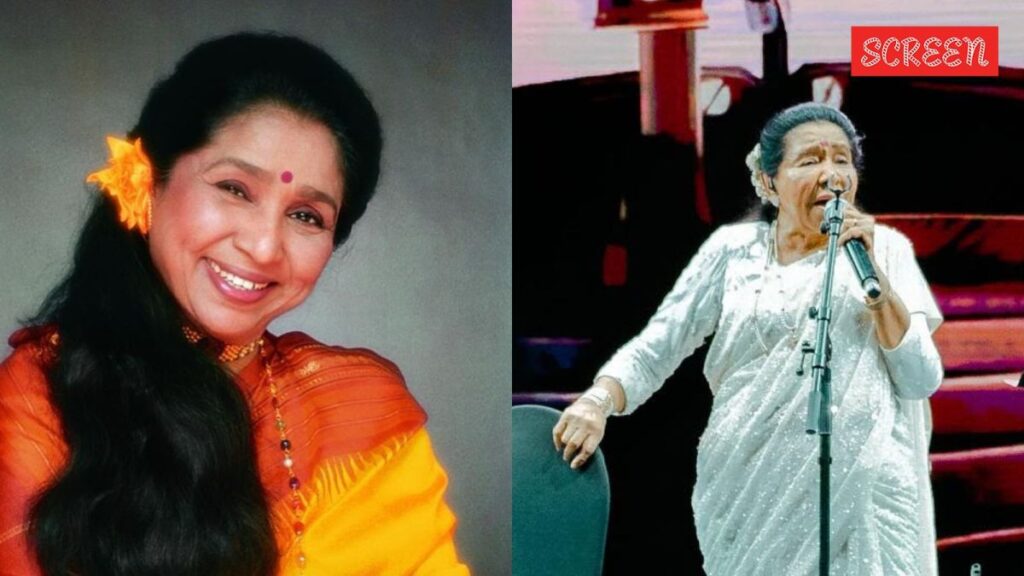
The air hung heavy with a blend of reverence and profound sorrow as India prepared to bid its final farewell to one of its most cherished musical legends. At the venerable age of 92, the iconic singer, whose voice had serenaded generations and woven itself into the fabric of the nation’s cultural identity, was to be cremated with full state honours. The scene was a poignant tableau of collective grief, made even more evocative by the spontaneous outpouring of emotion from mourners who, amidst their tears, found solace and tribute in singing a beloved hit by the legendary Asha Bhosle. It was a moment that underscored not just the passing of an individual, but the silencing of an era, marked by melodies that had once echoed from every radio and gramophone.
A Life Etched in Melody and Memory
For over seven decades, the departed maestro’s voice had been a constant companion, a source of joy, comfort, and inspiration. Born into an India still grappling with colonial rule, their journey mirrored the nation’s own evolution, with their music evolving from the nascent days of film playback singing to the sophisticated soundscapes of modern Bollywood. Their career was a testament to unparalleled dedication, artistic versatility, and an unwavering commitment to their craft. Through thousands of songs, in countless languages, they painted emotional landscapes that resonated deeply with the common person, becoming the soundtrack to love stories, heartbreaks, triumphs, and quiet moments of introspection across millions of Indian homes.
The Voice That Transcended Time
What set this iconic voice apart was its remarkable ability to adapt and innovate while retaining an unmistakable signature. Whether it was the classical intricacies of a raga, the earthy simplicity of a folk tune, or the playful lilt of a romantic film song, the singer approached each genre with equal mastery and emotional authenticity. Their vocal range was legendary, capable of soaring to ethereal highs and descending into soulful depths, conveying a spectrum of human emotions with effortless grace. It was a voice that didn’t just sing notes; it told stories, evoked memories, and stirred the very soul, making them a true national treasure whose artistry knew no geographical or linguistic bounds within the subcontinent.
More Than Music: A Cultural Beacon
Beyond the sheer musical brilliance, the singer emerged as a significant cultural beacon. Their public persona, characterized by humility, grace, and an enduring connection to traditional values, made them a beloved figure far beyond the confines of the music industry. They often used their platform to advocate for social causes, promote national unity, and preserve India’s rich artistic heritage. Their songs frequently carried messages of hope, resilience, and love, subtly influencing societal norms and reflecting the aspirations of a young, independent nation. In many ways, their life and work became intertwined with the very narrative of modern India, making their passing feel like the loss of a guiding star.
A Nation’s Farewell: State Honours and Public Adoration
The decision to accord full state honours for the cremation was a fitting tribute to an individual whose contribution transcended mere entertainment to touch the very spirit of the nation. This solemn gesture, usually reserved for heads of state and military heroes, underscored the profound respect and gratitude the government and people held for the musical giant. It involved a dignified procession, the draping of the national flag, and the presence of high-ranking dignitaries, transforming the somber occasion into a national event of remembrance. Thousands lined the streets, braving the elements, to catch a final glimpse of their beloved icon, their faces a mosaic of grief, reverence, and gratitude.
The Collective Embrace of Grief
The public outpouring of emotion was immense and deeply moving. From seasoned politicians to starry-eyed youngsters, from veteran musicians to ordinary citizens, the collective grief was palpable. Social media platforms were flooded with tributes, personal anecdotes, and shared memories of how the singer’s music had impacted individual lives. News channels dedicated extensive coverage, replaying classic performances and interviewing those whose lives had been touched by the legend. It was a rare moment when an entire nation seemed to pause, united in a shared sense of loss, acknowledging the irreplaceable void left by the departure of such a monumental figure.
Music as the Language of Remembrance
Perhaps the most poignant moment amidst the solemnity was the spontaneous singing of an Asha Bhosle hit by the mourners. This act was more than just a tribute; it was a profound cultural statement. In India, music is often the language of the soul, expressing emotions that words alone cannot capture. To sing a song by a contemporary, a peer, and a legend in her own right, at the funeral of another musical titan, was to acknowledge the enduring power of melody, the camaraderie of artists, and the way music binds human experience. It was a communal act of remembrance, a melodic prayer that celebrated a life lived in tune with the nation’s heart, and a reaffirmation that while the voice may be stilled, the songs will live forever.
As the pyre was lit and the smoke ascended, carrying with it the mortal remains of a voice that once soared, the silence that followed was not empty. It was filled with the echoes of a thousand melodies, the whispers of countless memories, and the indelible imprint left on the collective consciousness of a grateful nation. The physical presence may have departed, but the legacy of their art, their passion, and their profound connection to the human spirit will continue to resonate through generations, a timeless symphony that reminds us of the extraordinary power of one voice to shape the soul of a civilization.