As of mid‑July 2025, Russia–Ukraine conflict, focusing on drone operations, domestic pressures, and broader escalation:
>> Russian Claims of Downing Ukrainian Drones :
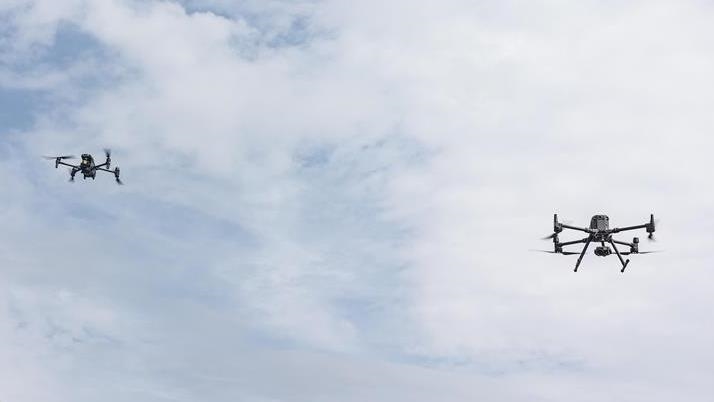
Russia’s Defense Ministry reported intercepting 122 Ukrainian drones on July 17, targeting Moscow, St. Petersburg, Voronezh, and Smolensk regions. Ukraine has not yet confirmed details. In early July, Russia claimed it downed 120 Ukrainian drones overnight, mostly in Bryansk, Kursk, Belgorod, and Oryol regions, with no apparent damage reported. Earlier instances include claims of intercepting 2,331 drones in one week in late May and 105 drones overnight in May—each reflecting continued escalation of cross-border drone warfare.
>> Russian Drone & Missile Assaults on Ukraine :
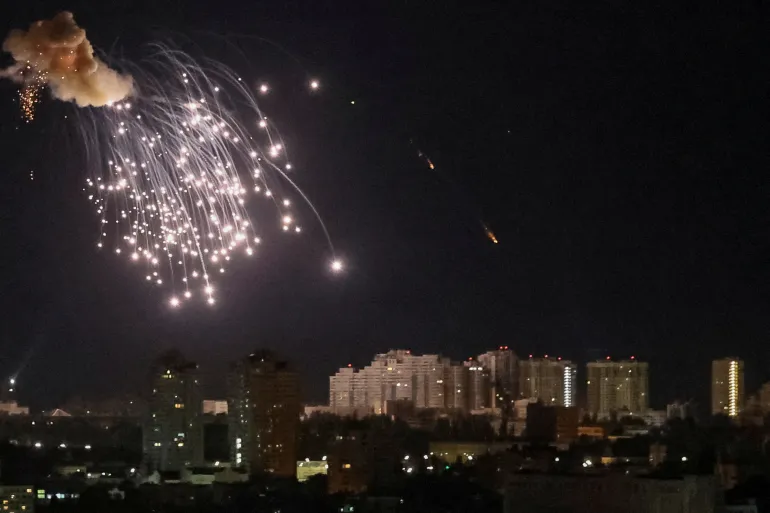
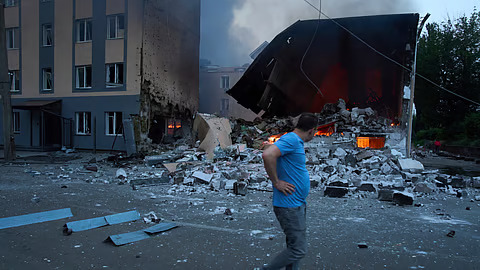
- On July 4, Russia launched at least 539 drones + 11 missiles against Ukraine; Ukraine downed 268 drones and 2 missiles in response.
- On July 12, another strike — 597 drones + 26 missiles — killed 6 people and damaged infrastructure; air defenses downed 319 drones + 25 missiles.
- Recent night attacks have involved 620+ drones, causing injuries and destruction across multiple regions including Kryvyi Rih and Vinnytsia.
- Russia’s largest barrage to date: over 728 drones + 13 missiles launched in a single strike; Ukraine claims to have intercepted nearly 300 drones, jammed over 400.
>> Ukraine’s Drone Operations & Strategic Response :
- Ukraine is ramping internal arms manufacturing, aiming for 50% domestic weapons production within six months (currently at ~40%), with major focus on drone production and air defense interceptors, backed by a $6.2M program.
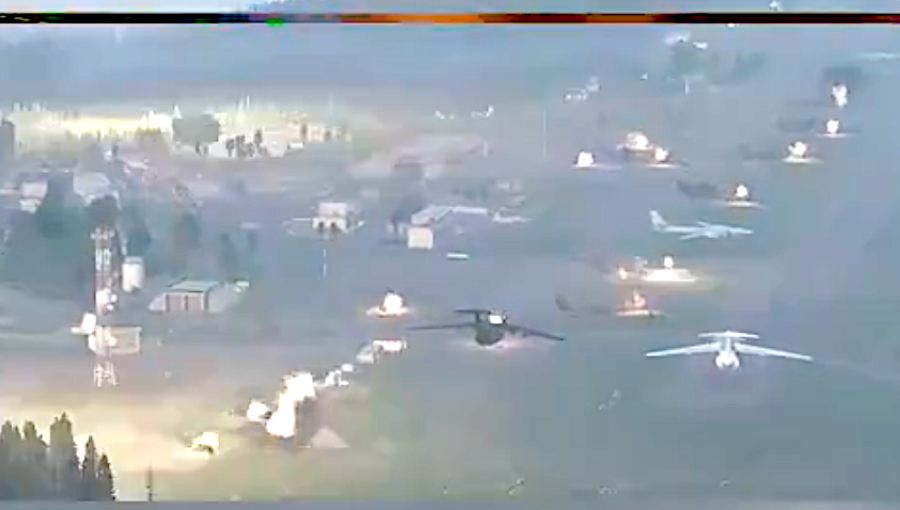
- A major covert operation — Operation Spiderweb (1 June) — employed 117 drones to strike five deep‑inside Russian airbases, reportedly destroying up to 10 long‑range bombers.
Domestic Pressures & Governance Challenges
In Ukraine:
- Growing concern over political consolidation: police raids have targeted opposition figures like former minister Oleksandr Kubrakov and activist Vitaliy Shabunin, prompting criticism of authoritarian drift under Zelenskyy.
- The National Security & Defense Council’s sanctions mechanism, criticized for bypassing courts, is viewed by human rights groups as increasingly used to suppress dissent and control media/business elites.
In Russia:
- Authorities have instituted nationwide mobile internet and broadband shutdowns across more than 60 regions, aiming to disrupt drone navigation—effects include major service disruptions and public backlash.
- Critics view these restrictions as part of deeper digital authoritarian consolidation, with increased censorship and control over the digital sphere