
The Election Commission of India (ECI) has officially announced the schedule for the West Bengal Assembly Election 2026, setting the stage for one of the most closely watched political contests in the country. The election will be conducted in two phases on April 23 and April 29, while the counting of votes will take place on May 4, 2026.
The upcoming election will decide the fate of all 294 seats in the West Bengal Legislative Assembly, with political parties preparing for an intense battle for power in the state.
Election Schedule for West Bengal Assembly Polls 2026
According to the Election Commission, the polling process in West Bengal will take place in two phases to ensure smooth conduct and strong security arrangements.
Key Election Dates:
- Phase 1 Voting: April 23, 2026
- Phase 2 Voting: April 29, 2026
- Counting of Votes: May 4, 2026
The nomination process for candidates will begin in late March, followed by scrutiny and withdrawal of nominations in early April before the campaigning intensifies across the state.
The current tenure of the West Bengal Legislative Assembly is scheduled to end in May 2026, which makes the upcoming election crucial for determining the next government.
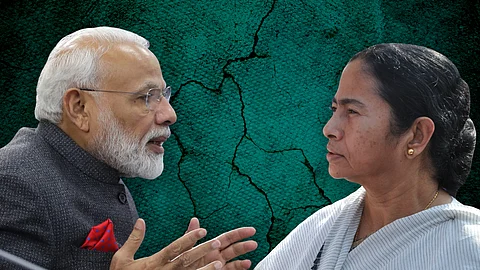
Major Political Parties in the Race
The election is expected to witness a fierce contest among major political parties including:
- All India Trinamool Congress (TMC) led by Chief Minister Mamata Banerjee
- Bharatiya Janata Party (BJP) led in the state by Suvendu Adhikari
- Left Front alliance and Congress
In the previous 2021 West Bengal Assembly election, the TMC secured a decisive victory with over 200 seats, while the BJP emerged as the principal opposition party in the state.
With the 2026 election approaching, both national and regional parties are expected to intensify campaigns, announce candidate lists, and focus on key issues such as development, employment, infrastructure, and welfare schemes.
Why Voting Is Being Held in Two Phases
Unlike the 2021 Assembly elections that were conducted in eight phases, the 2026 election will be held in only two phases. Election officials say this decision aims to streamline the process while ensuring adequate deployment of security forces and election staff across sensitive constituencies.
The phased voting system helps maintain law and order, especially in politically sensitive regions where tight security arrangements are required during elections.
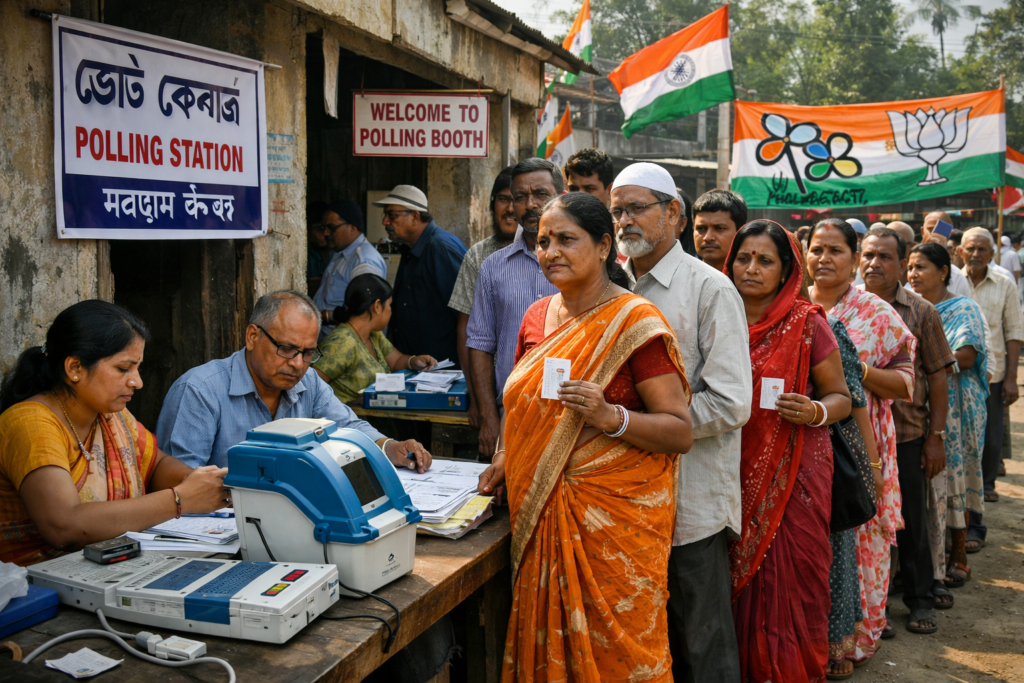
Voter Strength and Election Importance
More than 70 million voters are eligible to cast their votes in West Bengal, making it one of the largest electoral exercises in the country.
The election will play a significant role in shaping the political landscape of eastern India and could also influence national political dynamics ahead of future general elections.
Political analysts believe the contest will revolve around governance, welfare schemes, economic development, and regional identity, with parties focusing heavily on grassroots campaigning and digital outreach.
Elections in Other States Alongside Bengal
Along with West Bengal, assembly elections will also be held in Tamil Nadu, Kerala, Assam, and the Union Territory of Puducherry. While West Bengal will vote in two phases, several other states will conduct voting in a single phase. The results for all these elections will be declared on May 4, 2026.