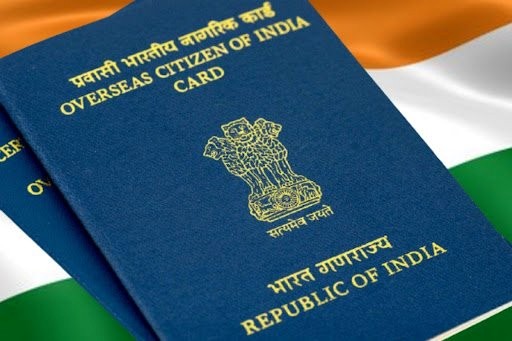
In 2025, the Overseas Citizenship of India (OCI) remains an important bridge between India and its huge diaspora distribution in the world. The OCI program, launched in 2005, makes foreign nationals of Indian origin retain a strong long-term relationship with India without renouncing their foreign citizenship. Even though the word “citizenship” appears in the title, the OCI is not complete Indian citizenship, nor does it confer political rights like voting or running for office. It does, however, confer a number of very important benefits that make it a worthwhile status for Indians abroad.
A cardholder in 2025 has the lifetime visa-free entry into India for any reason except such activities as journalism, missionary activity, research, and mountaineering. They can reside, work, or study in India permanently and have many of the same economic privileges as Non-Resident Indians (NRIs), including the purchase of residential or commercial real estate, the establishment of bank accounts, and engagement in some investments. But OCI holders cannot acquire agricultural land or plantations.
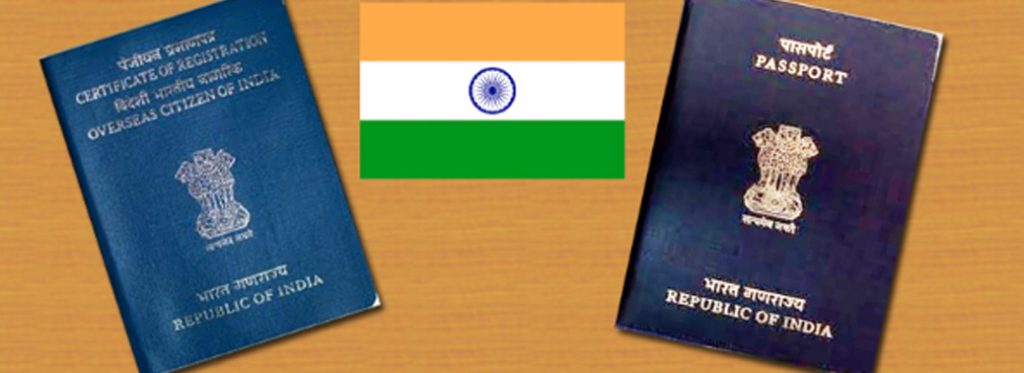
Eligibility for OCI in 2025 is also the same as in earlier years. Foreign national is eligible if he was a citizen of India on or after January 26, 1950, or is a child, grandchild, or great-grandchild of such individual. Minor children who have at least one Indian parent, and foreign spouses of an Indian citizen or OCI card holder (subject to the marriage being registered and having endured for a minimum of two years), are eligible to apply as well. Pakistani citizens and Bangladeshis are still not eligible for OCI status because of prevailing security and diplomatic concerns.
The process of application for 2025 is largely online and can be done through the Government of India-managed official OCI services portal. Foreigners are required to upload scanned copies of supporting documents such as proof of Indian origin, proof of foreign citizenship, photographs, and sometimes marriage certificates. Once online applications are submitted, applicants are then asked to report in person to the closest Indian Mission, Embassy, or Foreigners Regional Registration Office (FRRO) for verification. Processing time is variable but usually takes a few weeks to a couple of months.
There are also recurring requirements for OCI cardholders to keep their documents updated. In 2025, regulations still mandate renewal of the OCI card once after reaching the age of 20 years, to reflect facial changes. Though reissuance is not required after age 50, cardholders will need to upload a fresh photo and scan of the new passport if it is renewed. All of these can be done online and should be done to prevent traveling problems. Significantly, if an OCI cardholder spends over 182 days in India in a financial year, then she/he could be regarded as a tax resident and would be liable to Indian income tax regulations, subject to his/her sources of income.
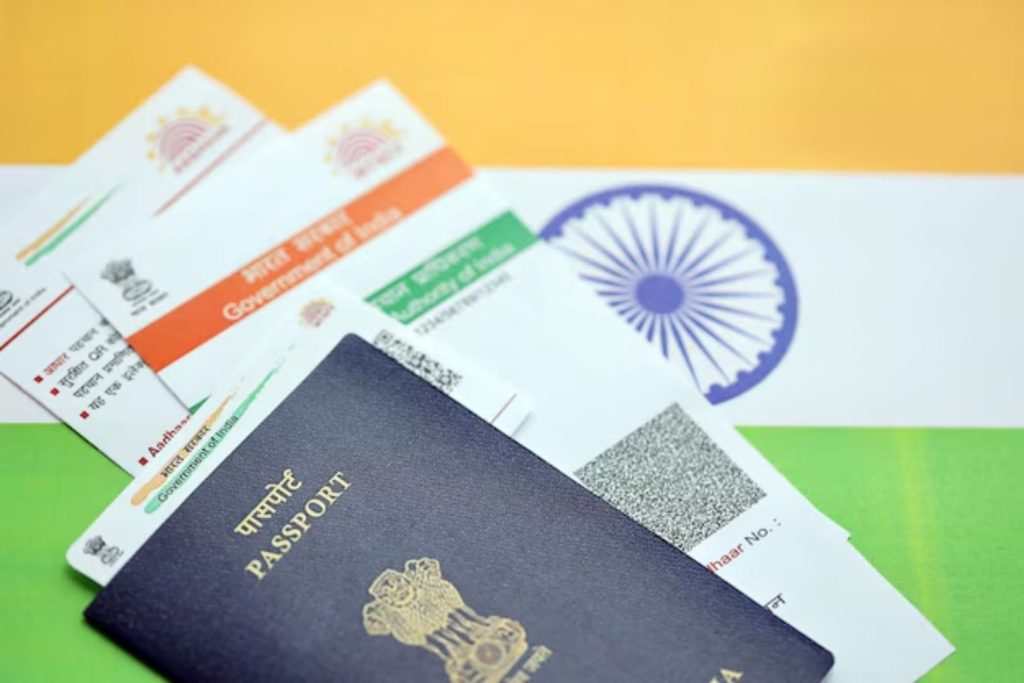
Current government pronouncements in 2025 demonstrate an ongoing emphasis on streamlining processes for OCI holders. Deadlines for document renewals have been extended by the Ministry of Home Affairs in certain instances and there has been more transparent online information to facilitate compliance. In addition, the Indian government has once again underscored the significance of the OCI program as a link to the global Indian community, providing overseas Indians with a safe, convenient, and respectable means of remaining attached to their heritage.
The OCI program in 2025 is a testament to India’s pledge to its diaspora. It offers a secure system for foreign citizens of Indian origin to visit, stay, and be a part of India’s growth process without having to forsake the citizenship of their countries of adoption. With millions of OCI cardholders globally, the policy continues to be strategically and emotionally important in India’s international engagement.