The Middle East is facing a dangerous new escalation after Israel launched massive airstrikes across Lebanon, killing over 200 people and injuring more than 1,000. The attacks have sparked urgent global calls to expand the fragile U.S.-Iran ceasefire to include Lebanon and prevent a wider regional war.
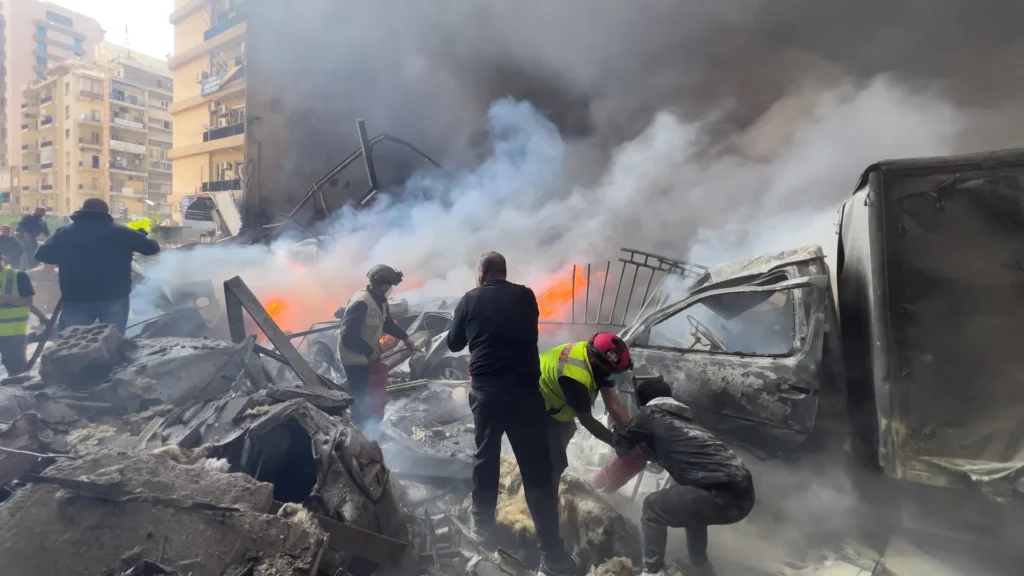
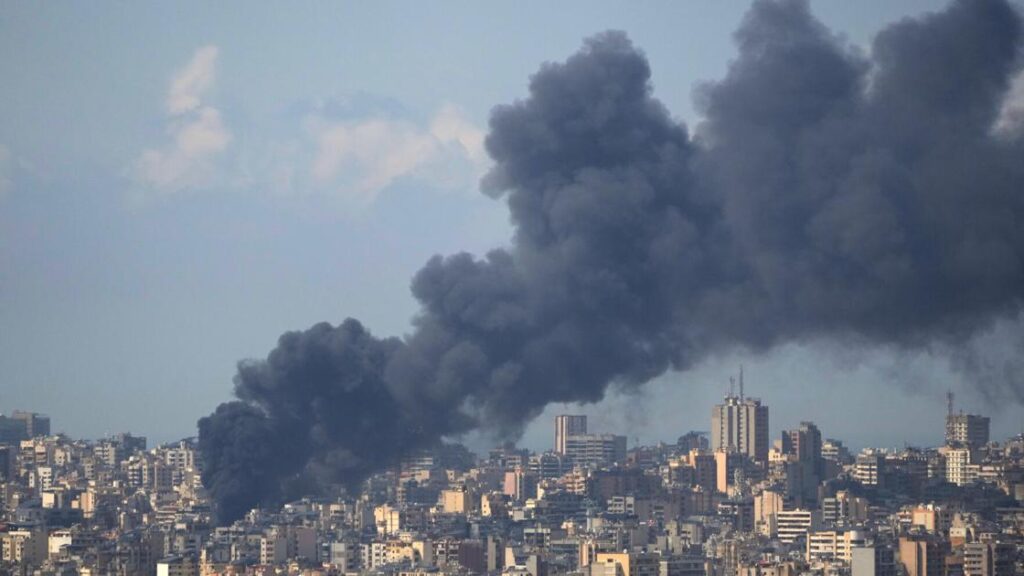
Israeli forces carried out large-scale air raids across Beirut, southern Lebanon, and the Bekaa Valley, targeting what they described as Hezbollah infrastructure. According to Lebanon’s Health Ministry, at least 203 people were killed and over 1,000 wounded in a single day, marking one of the deadliest phases of the ongoing conflict.
Some reports suggest the death toll may be even higher, reaching over 250 fatalities, with widespread destruction in civilian areas, including homes, hospitals, and emergency vehicles.
The strikes are part of a broader Israeli military operation aimed at dismantling Hezbollah’s command centers and weapons systems, with over 100 targets reportedly hit in a short span of time.
Ceasefire Confusion: Is Lebanon Included?
The timing of the strikes has raised serious concerns, as they came just hours after the United States and Iran agreed to a two-week ceasefire to de-escalate tensions in the region.
However, a major dispute has emerged over whether Lebanon is covered under this agreement:
- The United States and Israel maintain that the ceasefire does not apply to operations against Hezbollah in Lebanon
- Iran and some international mediators argue that Lebanon should be included
This disagreement has created a fragile and confusing situation, with active military operations continuing despite diplomatic efforts.
The international community has reacted strongly to the escalation. The United Nations condemned the attacks, calling the civilian casualties “appalling” and warning that they could undermine ongoing peace efforts.
Countries such as France and Spain have also criticized the strikes and urged all sides to respect and expand the ceasefire to include Lebanon.
World leaders are now pushing for:
- Immediate humanitarian access in affected areas
- A broader ceasefire covering Lebanon
- Renewed diplomatic negotiations to prevent further escalation
The situation remains highly volatile. Hezbollah has resumed rocket attacks on Israel in response, while Iran has warned that continued Israeli strikes could jeopardize the ceasefire entirely.
Meanwhile, tensions are rising in strategic areas like the Strait of Hormuz, where disruptions to oil shipping have added a global economic dimension to the crisis.
More than 1 million people have reportedly been displaced in Lebanon, highlighting the severe humanitarian impact of the conflict.