
HMPV symptoms are similar to those of flu or common cold. It can spread from an infected individual to others through coughing, sneezing or personal contact.
The estimated incubation period is three to six days for HMPV

Three human metapneumovirus (HMPV) cases have been found in Bengaluru, India, amid the outbreak in China. The first documented cases of HMPV in India involved a three-month-old who was released from the hospital and an eight-month-old who is currently recuperating.In Ahmedabad, a two-month-old later tested positive as well. There is currently an HMPV outbreak in China. Social media posts indicate that a number of viruses, such as COVID-19, Mycoplasma pneumoniae, HMPV, and influenza A, are circulating in China. Numerous social media posts and videos imply that hospitals are overcrowded with patients suffering from respiratory conditions.
HMPV, first identified in 2001, is a respiratory infection that causes flu-like symptoms. It can affect people of all ages, however, young children(below 5 years), older adults and those with weakened immune systems are at a higher risk.
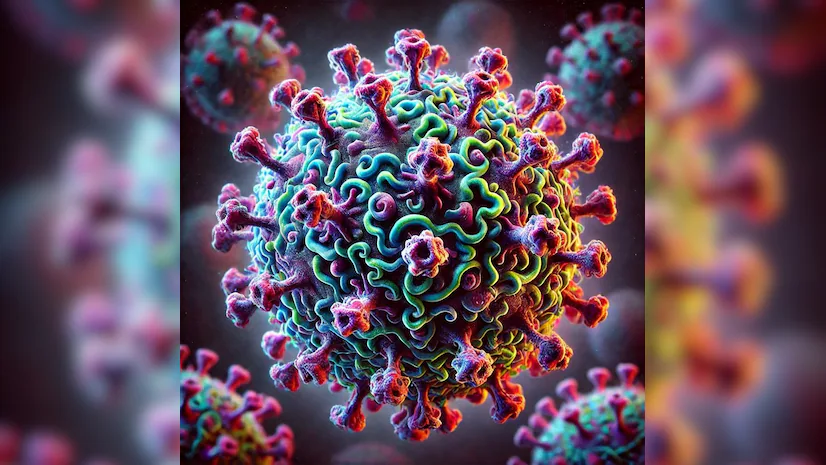
Symptoms of HMPV:
Cough, fever, nasal congestion, shortness of breath, and sore throat are a few symptoms of HMPV. These symptoms usually show up three to six days after you have been exposed to the virus. Severe illness due to HMPV may require hospitalisation.
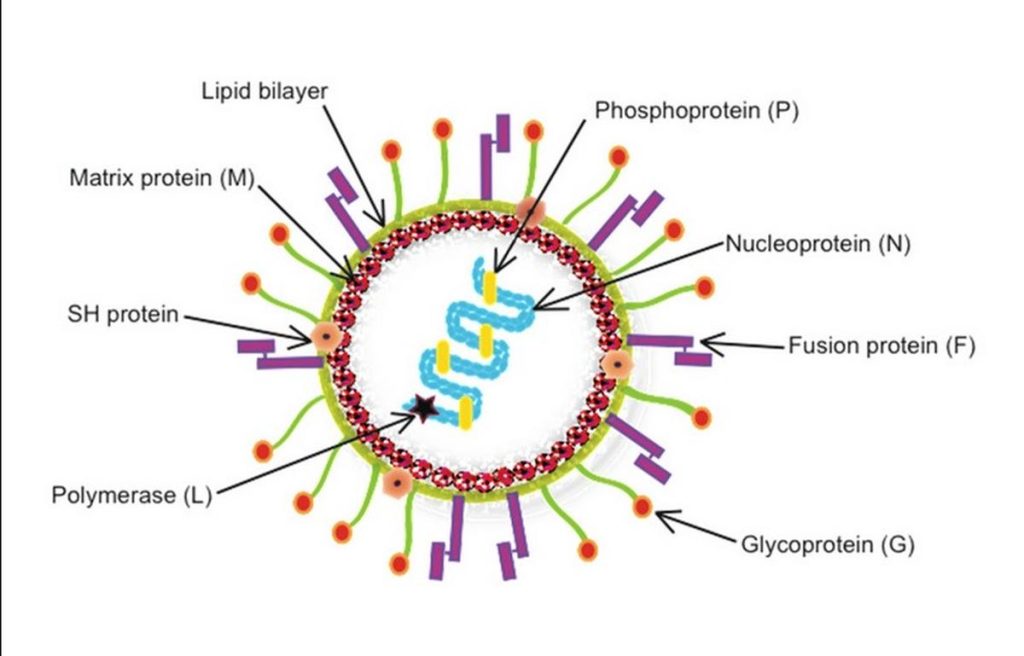
How is HMPV transmitted?
HMPV spreads through direct contact with someone who has it. Touching contaminated surfaces, coughing, sneezing and shaking hands can spread the virus.
Currently, there is no vaccine against HMPV. Treatment is mostly geared toward easing symptoms.