Abraham Lincoln aircraft carrier
The U.S. Navy’s nuclear-powered aircraft carrier USS Abraham Lincoln has arrived at Laem Chabang port in eastern Thailand after an extraordinary 286-day deployment at sea. The carrier, accompanied by other vessels from its strike group, is now giving thousands of sailors and Marines an opportunity to rest after months of demanding operations.
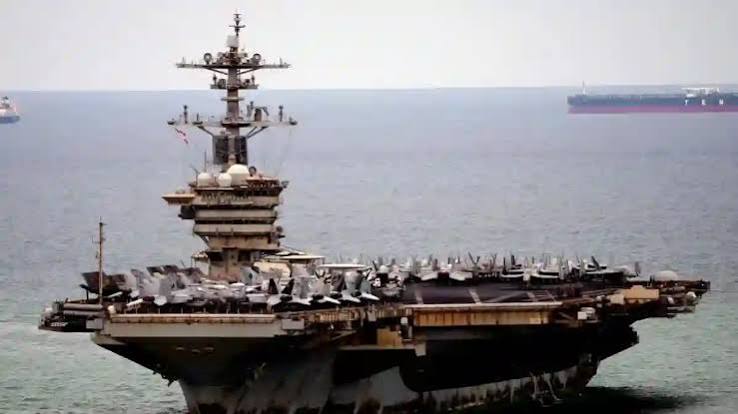
The arrival has attracted international attention not only because of the length of the mission but also because photographs of the carrier show substantial rust streaks, faded paint and visible signs of wear across parts of its exterior.
Why Is the USS Abraham Lincoln Covered in Rust?
Rust and corrosion are not unusual problems for naval vessels operating continuously in seawater. Aircraft carriers are exposed to saltwater, humidity, high winds and harsh maritime conditions for extended periods.
However, the condition of the USS Abraham Lincoln has drawn particular attention because the ship spent 286 days deployed, including a prolonged period without a normal full port visit. Experts cited in reporting have suggested that extensive maintenance work may be required to restore the vessel’s exterior.
The visible deterioration does not necessarily mean the carrier suffered a catastrophic mechanical failure. Instead, the photographs illustrate the difficulty of carrying out extensive cosmetic and maintenance work while a major warship remains operational and deployed.
A Nearly Nine-Month Mission
The USS Abraham Lincoln left San Diego in November 2025 for a deployment that initially involved operations in the Pacific. It was subsequently redirected toward the Middle East as tensions involving the United States and Iran escalated.
The carrier ultimately spent 286 days at sea, with reports describing it as a record-setting modern U.S. Navy deployment. During the mission, the carrier and its strike group supported American military operations in the Middle East.
The carrier’s crew reportedly went more than 260 days without a full port call, making the eventual arrival in Thailand particularly significant for the approximately 5,000 sailors and Marines aboard the ship and associated strike group.
Crew Fatigue and Mental Health Concerns
The long deployment also generated concerns about the physical and psychological condition of personnel aboard the carrier.
Reports during the deployment raised questions about crew morale, mental health, food supplies and working conditions. Families of service members also expressed concern about the unusually long period their relatives spent away from home.
The U.S. Navy has emphasized the professionalism and resilience of the crew while acknowledging the demanding nature of the deployment. The Thailand stop therefore represents more than a routine port visit—it provides personnel with an opportunity for rest and recovery after months of sustained operations.
Thailand Provides a Much-Needed Break
The USS Abraham Lincoln docked at Laem Chabang, near Pattaya, Thailand. Sailors and Marines were expected to spend several days ashore for rest and recreation.
Local authorities prepared for the arrival by increasing security and issuing guidelines for visiting U.S. personnel. Businesses in Pattaya also welcomed the deployment, anticipating an economic boost from thousands of visiting American service members.
For the crew, however, the most important aspect of the visit is likely the chance to step away from life aboard a carrier after months at sea.
What Happens to the Carrier Next?
The USS Abraham Lincoln is expected to continue its journey back toward the United States after receiving logistical support and maintenance attention. The carrier’s prolonged deployment also highlights the enormous demands placed on modern aircraft carriers during extended conflicts.
The U.S. Navy had already sent another carrier, the USS George Washington, to relieve the Lincoln in the Middle East.
The condition of the USS Abraham Lincoln offers a visual reminder of what prolonged naval deployments can mean—not only for the ships themselves but also for the thousands of personnel who operate them.
Why This Story Matters
The images of the rust-covered aircraft carrier have become a powerful symbol of the strain created by extended military deployments.
Aircraft carriers are designed to operate for long periods, but maintaining a ship of this size while it is continuously deployed presents a major logistical challenge. The Lincoln’s 286-day mission demonstrates both the operational reach of the U.S. Navy and the human and maintenance costs associated with keeping a carrier strike group at sea for months at a time.
The Thailand port call gives the crew a much-needed pause while the carrier begins the next stage of its journey home.
About the Author