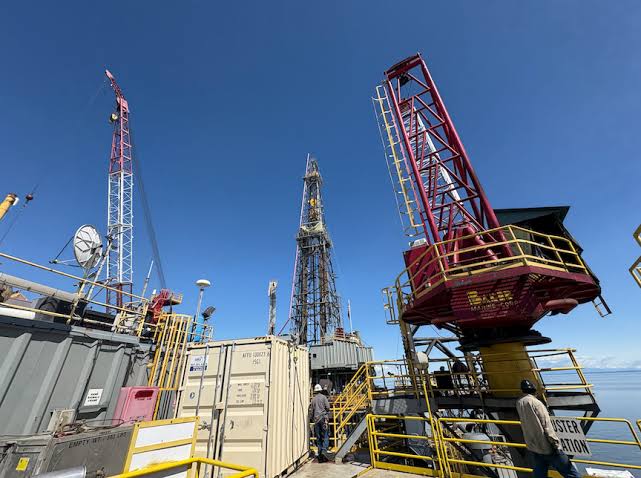
Alaska Arctic coastline oil drilling
A federal judge in Alaska has dismissed a lawsuit challenging President Donald Trump’s decision to expand access to offshore areas for oil and gas drilling, ruling that the legal challenge was filed too early because drilling activity in the disputed waters is not currently imminent.
The decision, however, does not settle the larger question of whether a president has the legal authority to reverse offshore drilling protections established by a previous administration.
U.S. District Judge Sharon L. Gleason dismissed the case brought by environmental organizations, including the Northern Alaska Environmental Center. The ruling leaves open the possibility that the groups could return to court if the Trump administration moves closer to actual offshore drilling or oil leasing in the protected areas.
Why Was the Lawsuit Dismissed?
The central issue in the ruling was timing.
Judge Gleason determined that the environmental groups’ concerns were not yet connected to an imminent drilling project in the federal waters at issue. Because offshore drilling was not immediately taking place in those areas, the court considered the lawsuit premature.
Importantly, the judge did not decide whether Trump had the authority to reverse protections imposed by previous presidents.
That distinction could become significant if the administration later takes concrete steps toward leasing or drilling in the affected offshore areas.
Environmental Groups Promise Further Legal Action
Environmental advocates have strongly opposed Trump’s efforts to expand offshore oil and gas development.
Earthjustice, which represented groups challenging the administration’s decision, said it remains convinced that Trump’s attempt to reopen previously protected offshore areas is unlawful.
The organization indicated that it could bring the case back to court if federal officials move forward with offshore drilling plans.
Environmental groups argue that expanded offshore drilling could threaten endangered species, sensitive marine ecosystems and communities, including Native American communities located near potentially affected areas.
Trump Seeks to Reverse Biden-Era Offshore Protections
The dispute stems from a broader clash between the energy policies of the Trump and Biden administrations.
Before leaving office, former President Joe Biden established restrictions on new offshore oil and gas development across large portions of the U.S. coastline. The protections were viewed as significant for environmental policy, although their immediate commercial impact was limited because many of the areas involved were not considered highly attractive for oil and gas development.
After returning to office, Trump moved to reverse several Biden-era energy and climate policies. His administration has emphasized increasing domestic oil and gas production and expanding access to federal energy resources.
The environmental groups filed their lawsuit in February 2025, arguing that the president did not have the authority to unilaterally undo the offshore protections. They warned that opening the areas to drilling could produce significant environmental consequences.
What Happens Next?
Monday’s ruling does not necessarily end the legal fight.
Because Judge Gleason did not rule on the underlying question of presidential authority, a new lawsuit could emerge if the federal government takes more concrete action toward offshore leasing or drilling.
That means the legal dispute could return to the courts at a later stage, particularly if the Trump administration begins moving from policy announcements toward actual development activities.
For now, the ruling represents a procedural victory for the Trump administration rather than a definitive ruling on the legality of its offshore drilling policy.
A Larger Battle Over US Energy Policy
The case reflects a broader debate over the future of U.S. energy policy.
The Trump administration has promoted increased fossil-fuel development as part of its energy strategy, while environmental organizations argue that expanding offshore drilling could increase risks to marine ecosystems and undermine climate-related protections.
The latest ruling means that the courts have not yet answered the fundamental question of whether a president can reverse offshore drilling withdrawals made by a predecessor.
The environmental groups filed their lawsuit in February 2025, arguing that the president did not have the authority to unilaterally undo the offshore protections. They warned that opening the areas to drilling could produce significant environmental consequences.
Monday’s ruling does not necessarily end the legal fight.
Because Judge Gleason did not rule on the underlying question of presidential authority, a new lawsuit could emerge if the federal government takes more concrete action toward offshore leasing or drilling.
That means the legal dispute could return to the courts at a later stage, particularly if the Trump administration begins moving from policy announcements toward actual development activities.
For now, the ruling represents a procedural victory for the Trump administration rather than a definitive ruling on the legality of its offshore drilling policy.
A Larger Battle Over US Energy Policy
The case reflects a broader debate over the future of U.S. energy policy.
The Trump administration has promoted increased fossil-fuel development as part of its energy strategy, while environmental organizations argue that expanding offshore drilling could increase risks to marine ecosystems and undermine climate-related protections.
The latest ruling means that the courts have not yet answered the fundamental question of whether a president can reverse offshore drilling withdrawals made by a predecessor.