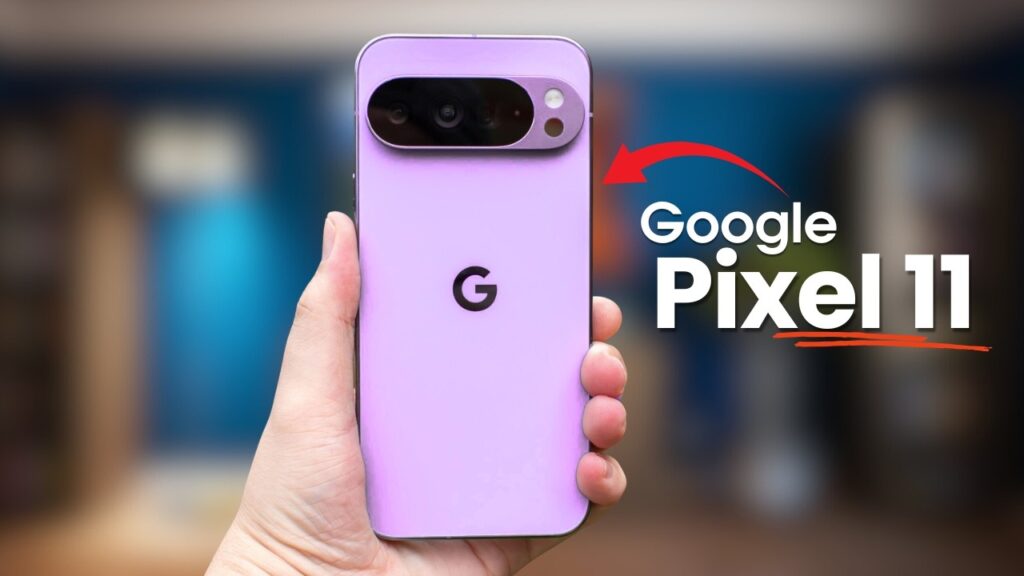
The upcoming Google Pixel 11 series has surfaced in a fresh leak, giving us an early look at what could be one of the most talked-about smartphone lineups of the year. While the new devices are expected to bring improvements in AI and camera performance, the leak also hints at some unexpected compromises that may divide opinions.
According to the latest details, the Google Pixel 11 lineup will include four models: Pixel 11, Pixel 11 Pro, Pixel 11 Pro XL, and Pixel 11 Pro Fold. This suggests that Google is continuing its multi-tier strategy, offering devices for both regular users and premium flagship buyers.
The display on the base Pixel 11 is expected to feature a 6.3-inch OLED panel with a 120Hz refresh rate and brightness levels reaching up to 3000 nits. The Pro variants, including the XL model, are likely to come with larger LTPO AMOLED displays, offering smoother adaptive refresh rates and improved battery efficiency. However, despite these upgrades, the overall design is expected to remain largely unchanged, sticking to Google’s signature camera bar and minimalistic aesthetic.
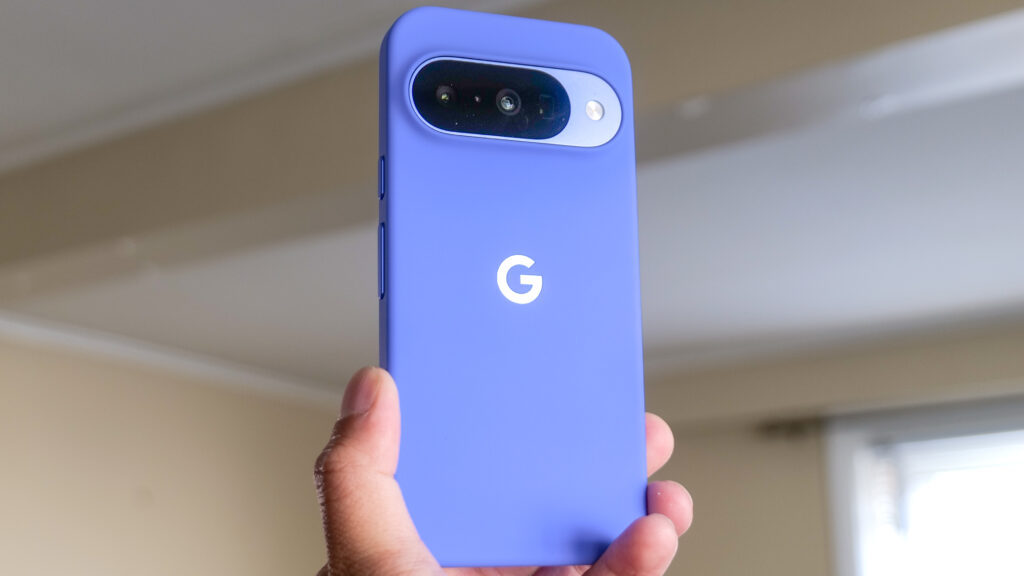
One of the biggest highlights of the Pixel 11 series will be its new chipset, likely called the Tensor G6. Built by Google, this processor is expected to focus heavily on artificial intelligence, enhancing photography, voice recognition, and on-device processing. While it may not directly compete with traditional flagship chips in raw performance, it is designed to deliver smarter user experiences.
However, one surprising detail in the leak is the possible downgrade in RAM for the base model. The Pixel 11 could ship with 8GB RAM instead of the 12GB seen in previous generations. This move, reportedly linked to global supply constraints, could disappoint users who expect consistent upgrades in flagship devices. Meanwhile, the Pro models may still offer higher RAM options, including up to 16GB.
Camera performance, as always, remains a central focus for Google. The Pixel 11 series is expected to introduce improved sensors and enhanced AI-based image processing, continuing the brand’s reputation for delivering some of the best smartphone photography. Interestingly, the Pixel 11 Pro may drop the temperature sensor introduced in earlier models, signaling a shift away from niche features toward more practical improvements.
The Pixel 11 Pro Fold is also expected to return, but with only minor refinements. Instead of a major redesign, Google is likely to focus on improving durability, making the device thinner, and refining the overall foldable experience.
Overall, the Pixel 11 series appears to be more of a refinement than a revolutionary upgrade. With stronger AI capabilities, brighter displays, and improved cameras, it will likely appeal to users who prioritize software intelligence and photography. However, the lack of major design changes and the potential RAM downgrade could raise concerns among power users.
As we move closer to the official launch, more details are expected to emerge. Until then, the Pixel 11 series stands as a reminder that innovation in smartphones is increasingly shifting from hardware leaps to smarter software experiences.