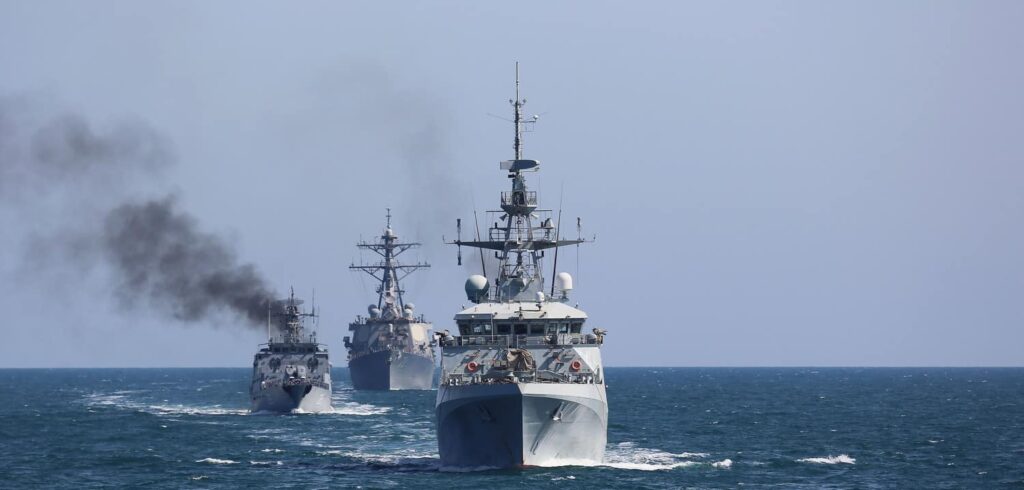
In a major global development, six powerful countries have come together to ensure safe passage through one of the world’s most important shipping routes — the Strait of Hormuz. This move comes amid rising tensions in the Middle East that have disrupted global trade and raised serious concerns about energy supply.
The countries involved include the United Kingdom, France, Germany, Italy, the Netherlands, and Japan. These nations have jointly expressed their readiness to support efforts that will keep the Strait of Hormuz open and secure for international shipping.
The Strait of Hormuz is extremely important for the global economy because nearly 20% of the world’s oil passes through this narrow waterway. Any disruption here directly impacts fuel prices, international trade, and energy security across the globe.
Recently, the situation in the region has become tense due to ongoing conflicts involving Iran. Reports suggest that attacks on commercial ships, oil facilities, and maritime routes have increased, creating fear among shipping companies and governments.
In response, the six nations issued a strong statement condemning these actions and called for immediate steps to stop threats to international shipping. They emphasized that blocking or disturbing such a crucial route is not just a regional issue but a global concern that affects millions of people worldwide.
Although these countries have not yet announced a detailed military plan, they have made it clear that they are ready to take necessary actions to stabilize the situation. Their focus is on ensuring that ships carrying oil and goods can pass safely without fear of attacks.
Experts believe that this joint effort could help reduce rising oil prices and bring some stability back to global markets. However, the situation remains sensitive, and any further escalation could make things worse.
At the same time, countries like India have also raised concerns, stating that targeting commercial ships is unacceptable and dangerous for global trade. This highlights how the issue is affecting not just Western nations but economies across the world.
In simple terms, this development shows how important the Strait of Hormuz is for everyday life. From petrol prices to the cost of goods, everything is connected to the smooth functioning of this route.
As the situation unfolds, the world is closely watching whether these joint efforts will succeed in restoring safety and preventing further disruptions in one of the most critical waterways on the planet.