PM Modi Masoud Pezeshkian meeting
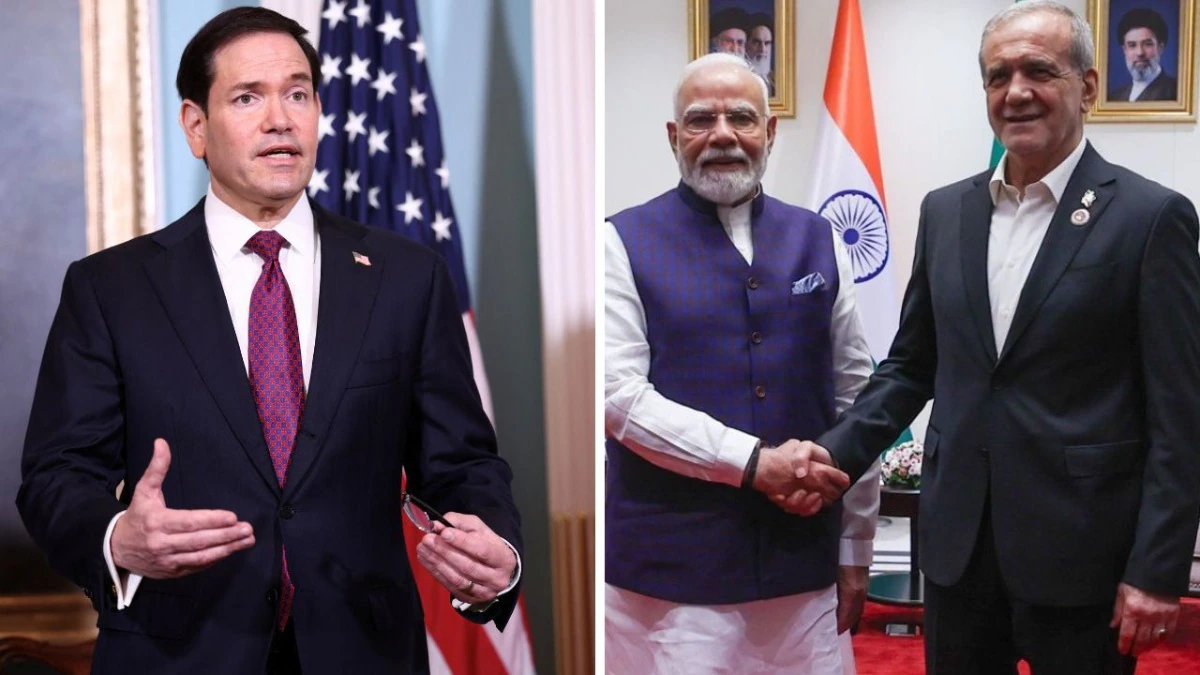
New Delhi/Washington: Prime Minister Narendra Modi’s meeting with Iranian President Masoud Pezeshkian on the sidelines of the Shanghai Cooperation Organisation (SCO) summit in Bishkek has drawn fresh attention from Washington, with the United States warning countries against helping Iran generate revenue in ways that could circumvent American sanctions.
US Secretary of State Marco Rubio said Washington did not view the Modi-Pezeshkian meeting as evidence of a new India-Iran trade agreement. However, he cautioned that countries assisting Tehran in creating financial mechanisms that could support terrorism or Iran’s nuclear programme could themselves face US sanctions.
The warning came shortly after Modi held talks with Pezeshkian, making the timing significant amid heightened tensions between the United States and Iran.
What happened during the Modi-Pezeshkian meeting?
Modi and Pezeshkian met during the SCO summit in Bishkek and discussed India-Iran bilateral relations as well as the wider conflict in West Asia.
According to the Indian government, the two leaders exchanged views on the deteriorating regional security situation. Modi reiterated India’s position that disputes should be resolved through dialogue and diplomacy and called for continued efforts toward lasting peace and stability.
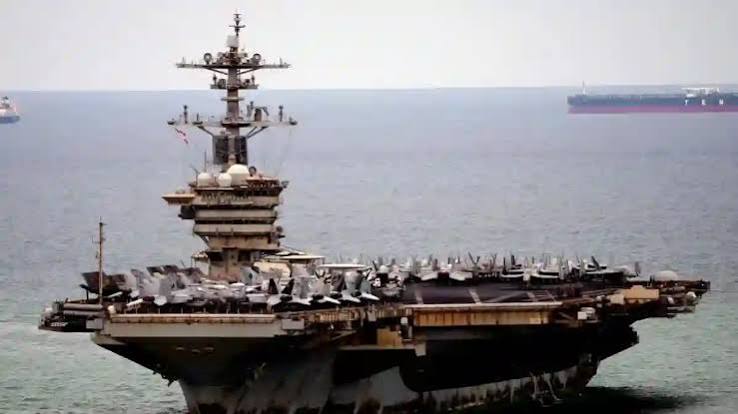
Maritime security was also an important concern. India stressed the need to protect freedom of navigation and commercial shipping, including the safety of civilian vessels and seafarers.
No formal India-Iran trade agreement was announced during the meeting, although expanding and diversifying bilateral trade was discussed.
Why is the US warning important?
Washington is attempting to maintain economic pressure on Tehran through sanctions. The latest warning indicates that the US is prepared to use secondary sanctions against entities or countries that help Iran bypass those restrictions.
For India, the situation presents a complicated diplomatic challenge.
New Delhi maintains important strategic ties with the United States while simultaneously pursuing its own relationship with Iran. India has repeatedly emphasized that its foreign policy decisions are guided by its national interests and strategic autonomy.
The Modi-Pezeshkian meeting therefore highlights the delicate balance India is attempting to maintain between Washington and Tehran.
Why Iran matters to India
India’s relationship with Iran extends beyond conventional diplomacy.
One of the most important strategic interests is Chabahar Port, which provides India with an alternative route toward Afghanistan and Central Asia that does not depend on Pakistan.
Iran is also an important link in the proposed International North-South Transport Corridor, which could connect India with Iran, Russia and wider Eurasian markets.
These connectivity projects give Iran considerable strategic importance for India’s trade and regional ambitions.
Energy is another major consideration. Iran has historically been an important energy partner for India, although US sanctions have complicated energy and financial transactions with Tehran.
Iran seeks diplomatic support
Pezeshkian has also been seeking diplomatic engagement as the conflict in West Asia continues.
During the SCO summit, the Iranian president held discussions with several regional and international leaders. Iranian officials have indicated that Tehran remains open to negotiations if Washington honours its commitments under the interim understanding reached earlier in the year.
The Iranian leadership has also connected the issue of freedom of navigation through the strategically important Strait of Hormuz with the broader diplomatic process.
The Strait is particularly important for India and the global economy because disruption to shipping there can affect energy supplies and international trade.
India faces a difficult balancing act
India’s position reflects its broader strategy of maintaining relationships with multiple major powers.
New Delhi is part of the US-led Quad alongside the United States, Japan and Australia. At the same time, India is a member of BRICS and the SCO, where it engages with countries including Russia, China and Iran.
The Indian government has consistently argued that cooperation with one country does not require hostility toward another.
However, Washington’s increasing use of sanctions against Iran could make this approach more difficult for Indian companies, banks, shipping companies and other businesses with exposure to Tehran.
The immediate question is whether India’s expanding engagement with Iran leads to any commercial activity that Washington considers a violation or circumvention of its sanctions regime.
For now, there is no indication from the Indian government’s account of the Bishkek meeting that New Delhi has entered into a new trade arrangement with Tehran.
Instead, the meeting appears to have reinforced India’s preference for maintaining diplomatic channels with Iran while continuing its strategic partnership with the United States.
The episode nevertheless demonstrates the increasingly complicated geopolitical environment facing India, particularly as tensions involving the US and Iran continue to affect trade, energy security and maritime routes.
About the Author