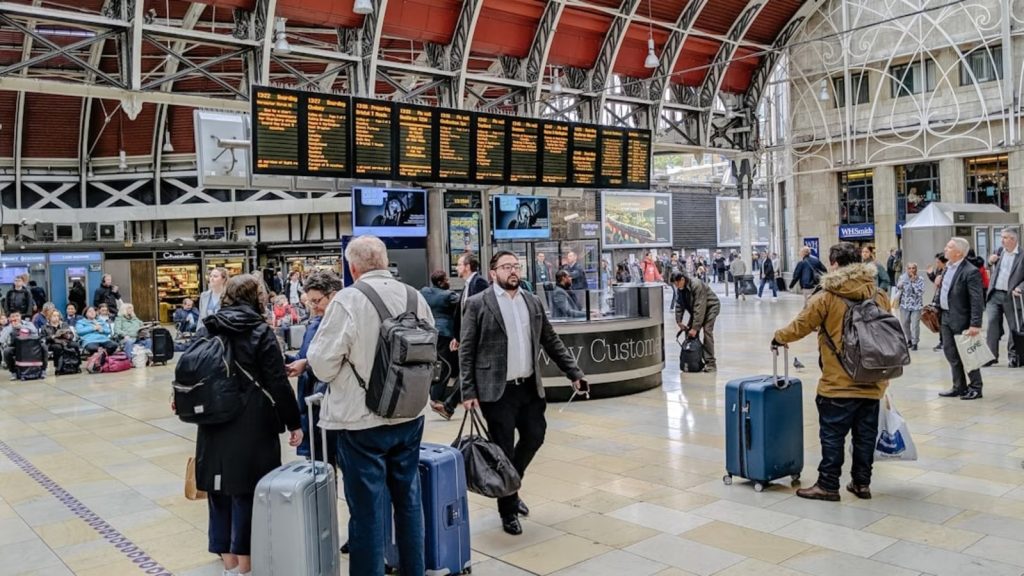
Malaysia does allow visa‑free entry for Indian nationals until 31 December 2026, with a maximum stay of up to 30 days per visit. However, during a special immigration operation at Kuala Lumpur International Airport (KLIA) on July 25, 2025, ten Indian men were among a total of 99 foreign individuals denied entry despite the visa‑free status.
Why were these Indian nationals denied entry?
- They did not meet immigration check standards, which included:
- Suspicious or inadequate travel motives
- Unclear travel histories or documentation
- Failure to provide a credible purpose for their visit
- All were male, and underwent additional screening and interviews before being deported per legal procedures.
The Malaysian Border Control and Protection Agency (AKPS) emphasized that this operation was part of regular enforcement measures targeting travelers arriving on high‑risk flights. The aim is to prevent misuse of short‑term visit passes and deter human trafficking.
Key entry requirements for Indian travelers:
- Valid passport with at least six months validity remaining
- Malaysia Digital Arrival Card (MDAC) submitted within 3 days before arrival (mandatory for most foreign visitors)
- Confirmed return or onward ticket
- Sufficient funds to cover the stay
- Clear purpose of travel and credible travel history (e.g. hotel bookings, itinerary)
Reminder on visa-free policy:
- Visa exemption allows Indian passport holders to stay in Malaysia for up to 30 days without a visa until December 31, 2026.
- However, visa-free entry is not a guarantee of admission. Final entry approval rests with border officials based on complete documentation and assessment of intent.
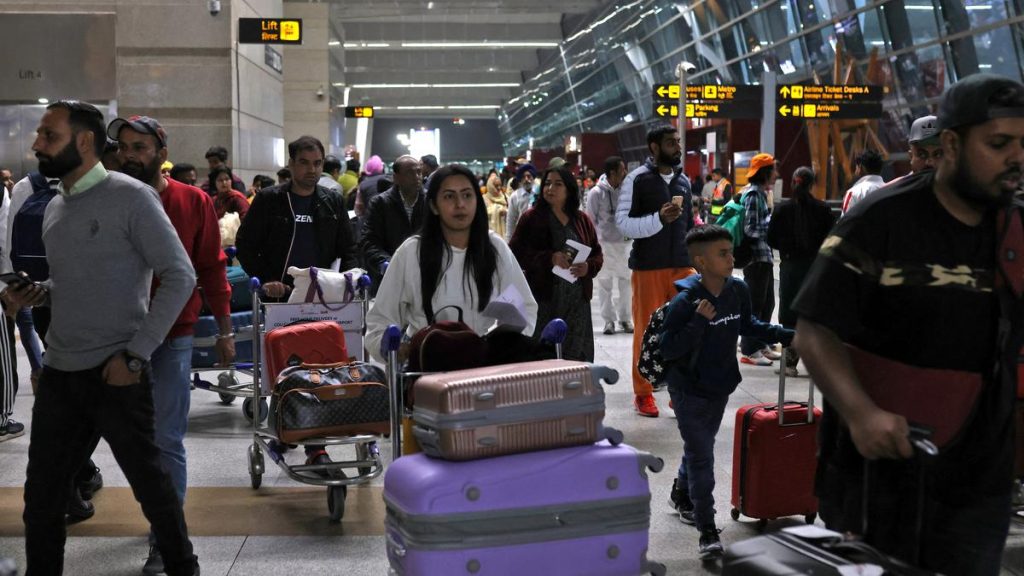
Tips for Indian travelers to avoid being turned away:
- Submit your MDAC correctly and on time
- Keep your return/onward ticket and hotel bookings accessible
- Be ready to clearly explain your travel purpose and duration
- Carry evidence of sufficient funds (though not always demanded, can help if asked)
- Make sure there are no red flags in your travel history, such as frequent short visit patterns or unexplained previous overstays