On 14 August 2025, tragedy befell the secluded Kishtwar district in Jammu and Kashmir when a cloudburst suddenly caused a colossal flash flood, leaving hundreds of people caught totally unaware. The tragedy happened in Chosoti village, which lies along the hallowed pilgrimage path to the Machail Mata shrine. Several pilgrims had, at the time, congered at a community kitchen, taking a meal, oblivious to the fact that disaster was at their doorstep, just seconds away. Within minutes, a savage torrent of water and debris roared through the site, leveling everything in its way — makeshift tents, security checkpoints, parked cars, and the sacred tension of an existential pilgrimage.
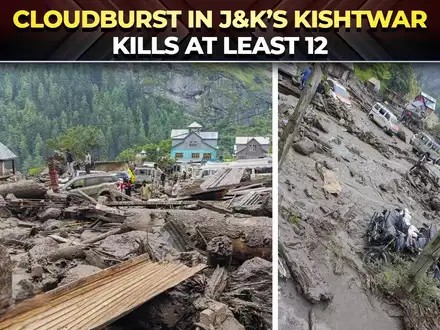
Videos taken at the scene documented the horrifying ferocity of the moment the floodwaters struck. The torrent’s roar was sudden and deafening, sweeping along with it everything from cooking equipment and bags to cars and fragments of makeshift buildings. The survivors likened the scene as apocalyptic. According to one eyewitness, it was like a “blast,” immediately followed by a wall of water almost four feet high. People were knocked off their feet and could not respond in time. Mud, rocks, and branches of trees crashed through the village, tossing belongings and trailing devastation and heartache in their wake.
In its immediate wake, the extent of the devastation was bitter to behold. Dozens of persons were killed, at least two of them being personnel of the Central Industrial Security Force who were deployed for pilgrimage security. Over 100 others were injured, and more than 250 were feared missing as rescue personnel wrestled with the wreckage. Several were buried under the rubble or swept away into inaccessible ravines. The roads into the village had been ripped apart by water, and lines of communication were out, making it even more difficult to determine the full extent of the damage.
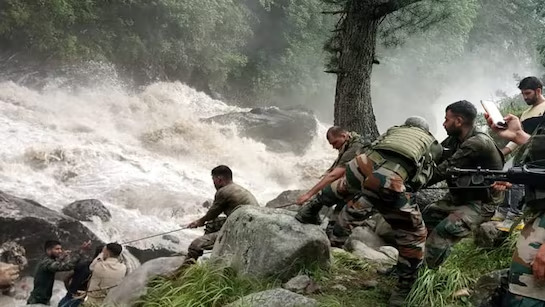
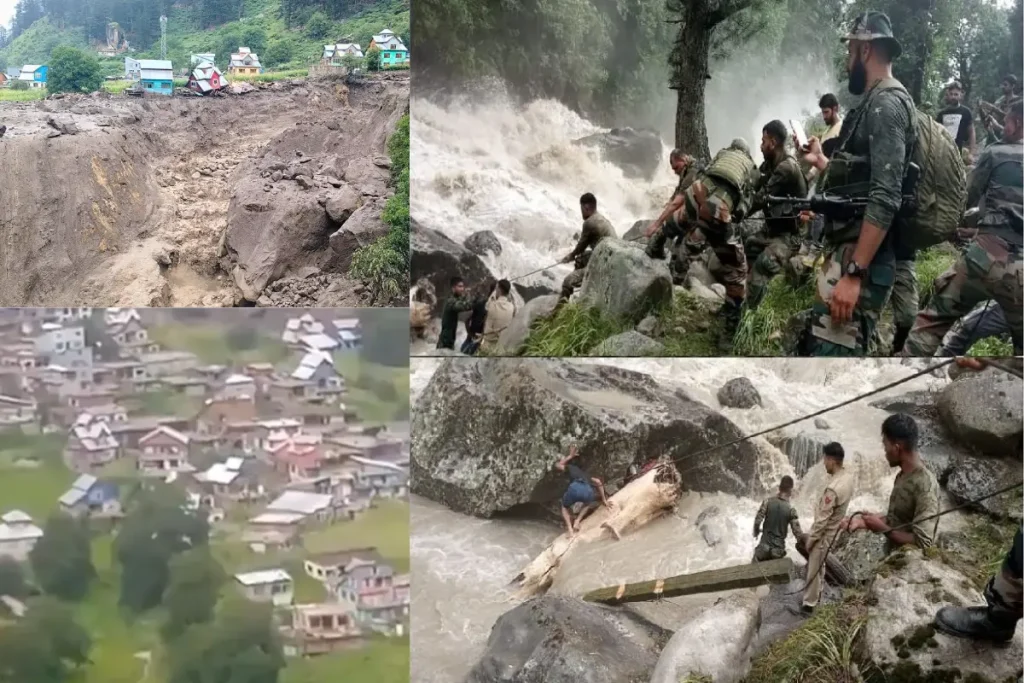
Rescue and relief work was initiated immediately, but the terrain of the area proved to be a major challenge. The White Knight Corps of the Army spearheaded operations with assistance from National Disaster Response Force (NDRF), State Disaster Response Force (SDRF), Jammu and Kashmir Police, and local volunteers. Both soldiers and laborers toiled day and night, employing earth movers to remove boulders and toppled trees and constructing temporary wooden bridges to reach stranded areas. Helicopters were also used, although inclement weather tended to disrupt air operations.
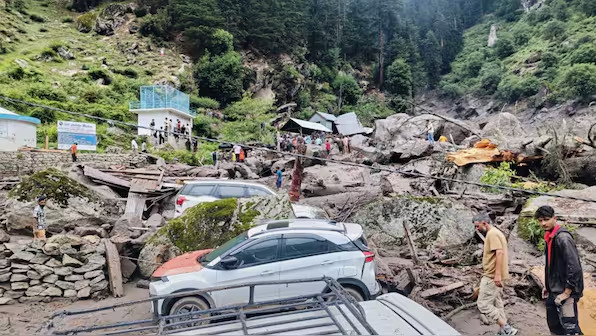
During the rescue missions, images kept appearing, depicting poignant moments — women and children being rescued, survivors stumbling about in confusion, looking for lost family members amidst rubble, and mounds of shattered possessions scattered all over the soggy terrain. Due to the tragedy, the pilgrimage to Machail Mata was suspended forthwith, and all Independence Day festivities and cultural gatherings within the district were cancelled as a gesture of grief and solidarity with the victims.
When news of the tragedy broke, national leaders condoled the victims, and relief was pledged for the victims’ families. The Jammu and Kashmir Lieutenant Governor toured the affected area and personally supervised relief work, while the government declared monetary compensation and resumed search operations for those reported missing. Yet, most families, particularly those belonging to the pilgrims from outside the state, waited anxiously for news, holding on to hope against hope.
This event once again brings into focus the increasing susceptibility of the Himalayan region to extreme weather conditions. Environmentalists and scientists have been cautioning time and again that deforestation, uncontrolled growth, and global warming are increasing the frequency and severity of cloudbursts in these ecologically fragile mountainous systems. Although the monsoon washes over the region with life-giving water, it also means the threat of unexpected and devastating incidents like the one in Kishtwar.
The Chosoti residents and the entire Kishtwar valley are now confronted with the monumental challenge of rebuilding not only their dwelling places and infrastructure but lives. The waters have receded, but the shock has not. More rain is predicted for the rest of the week, and authorities are on high alert, aware that the terrain is still unstable and the emotional wounds of August 14 will not be easy to heal.