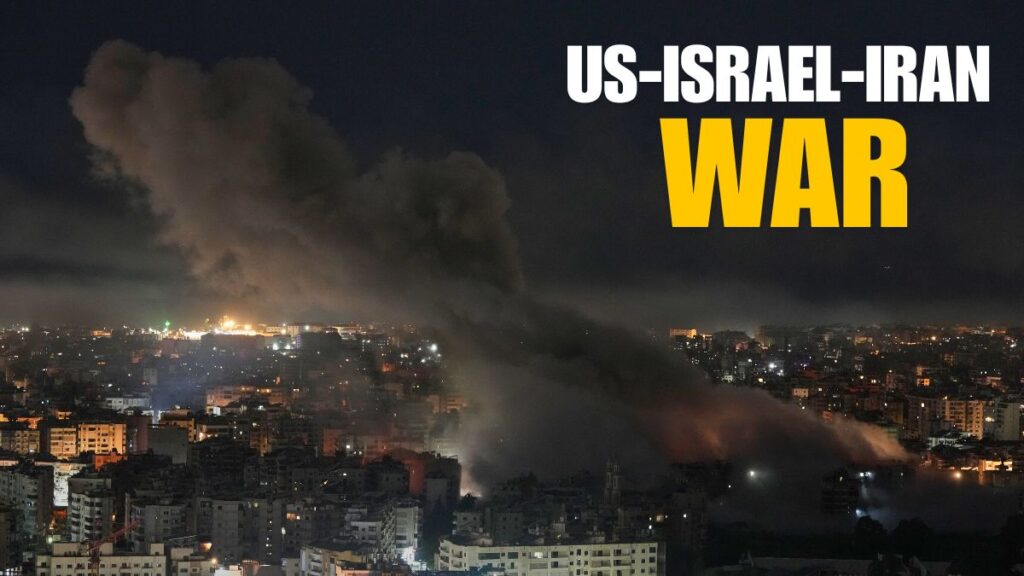
The situation in the Middle East has become more serious after Iran suspended its indirect talks with the United States. The decision came after Israel carried out airstrikes in Lebanon, increasing tensions in the region.
According to reports, Iran said it will not continue negotiations with the US until Israeli military operations in Lebanon and Gaza stop. Iranian officials believe that Israel’s actions have violated the spirit of recent ceasefire efforts.
Iran also warned that it could take stronger action in the Strait of Hormuz, one of the world’s most important oil shipping routes. A large percentage of global oil supplies pass through this narrow waterway. Any disruption there could affect international oil prices and global trade.
US President Donald Trump has continued to express hope for a diplomatic solution. He has claimed that progress has been made toward a broader peace agreement, although Iran has disputed some of those claims.
At the same time, fighting between Israel and Hezbollah in Lebanon has continued. Israel carried out strikes in southern Beirut, while Hezbollah responded with attacks on Israeli targets. This has raised fears that the conflict could spread further across the region.
Lebanese officials have reportedly informed the United States that Hezbollah is ready for a full ceasefire if Israel also agrees to stop its military operations. However, both sides have not yet reached a final agreement.
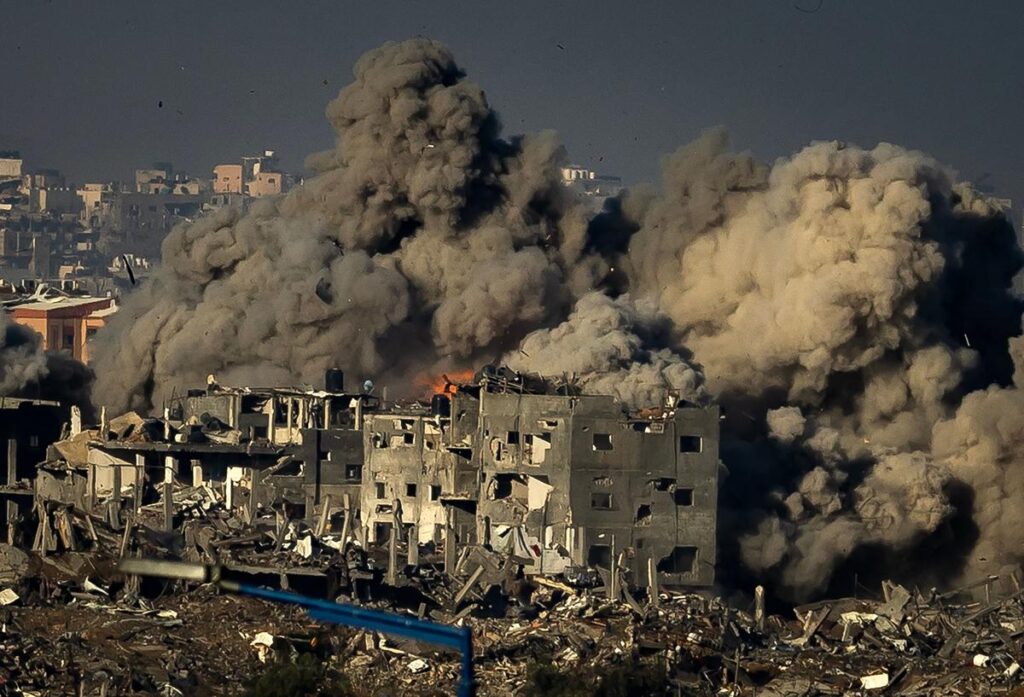
The ongoing conflict has already affected global markets. Oil prices increased because investors are worried about possible disruptions in energy supplies and the future of the Strait of Hormuz.
Experts say that the coming days will be very important. If diplomatic talks restart, tensions may decrease. But if military actions continue, the crisis could become even more dangerous for the Middle East and the global economy.