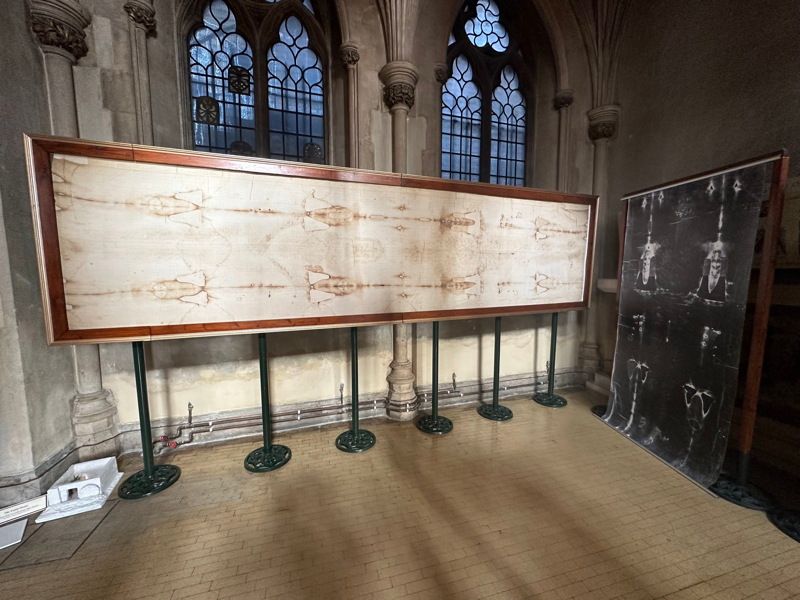
The mysterious Shroud of Turin has once again become the center of worldwide attention. A recent DNA analysis has raised a surprising possibility — that this ancient relic may have connections to India, adding a new layer to its already complex history.
What Is the Shroud of Turin?
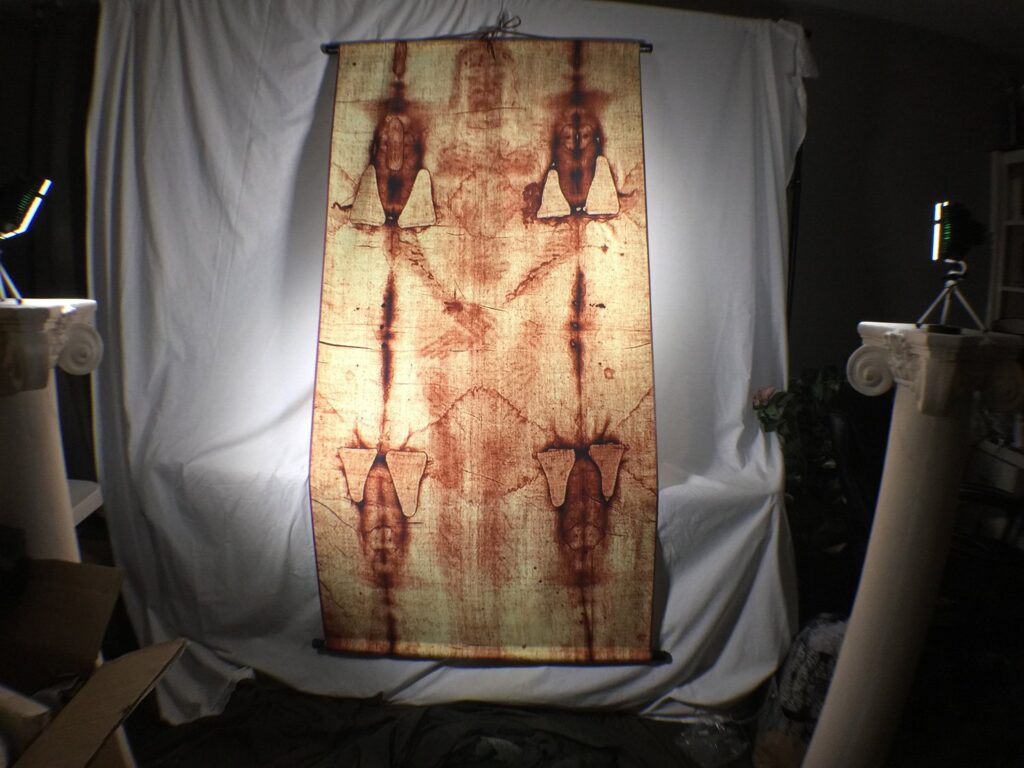
The Shroud of Turin is a long piece of linen cloth that many believe was used to wrap the body of Jesus Christ after his crucifixion. It bears a faint image of a man with wounds that match biblical descriptions of Jesus. The cloth is currently preserved in the Cathedral of Saint John the Baptist in Turin, Italy.
For decades, scientists, historians, and religious scholars have debated its authenticity. Some studies suggest it dates back to the medieval period, while others argue it could be much older.
What Does the New DNA Study Reveal?
Recent DNA research conducted on dust and pollen particles found on the shroud has revealed traces of plant species and human DNA from various regions, including India.
Scientists discovered genetic markers that are commonly found in South Asian populations. This has led to speculation that the cloth may have traveled through India at some point in history — or possibly even originated there.
Possible Explanations Behind the Indian Connection
There are a few theories explaining how Indian DNA could be linked to the Shroud:
1. Ancient Trade Routes
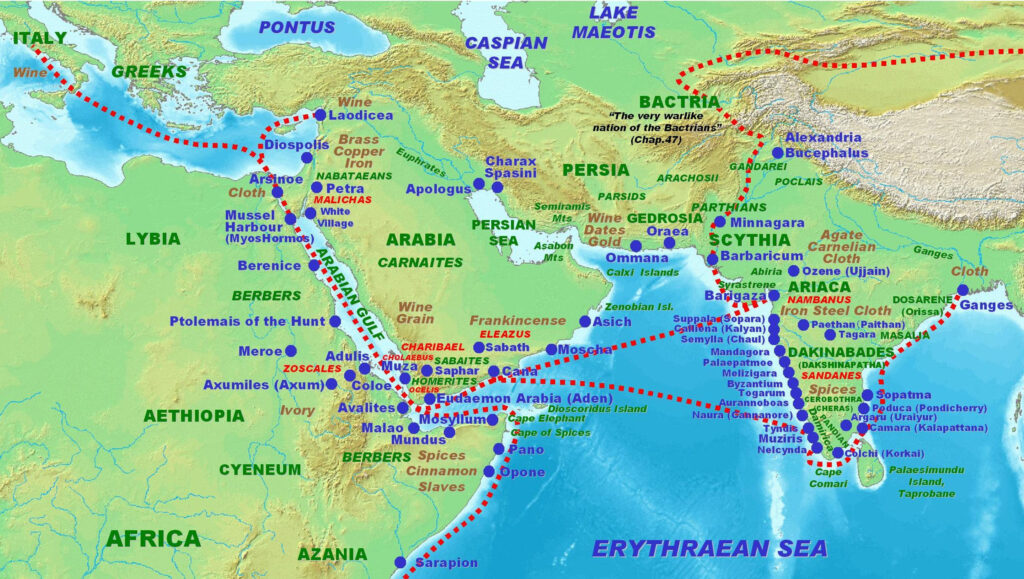
India has been a major center for textile production for thousands of years. It is possible that the cloth or its raw material came from India and later traveled to the Middle East and Europe via ancient trade routes like the Silk Road.
2. Human Contact Over Centuries
The Shroud has been handled by countless people over centuries — priests, researchers, and pilgrims. DNA contamination from different regions, including India, could have accumulated over time.
3. Textile Origin Theory
Some experts believe the linen weaving style could resemble ancient techniques used in parts of India, though this claim is still under debate.
Why This Discovery Matters
This new DNA evidence does not definitively prove that the Shroud originated in India. However, it highlights how interconnected ancient civilizations were. If proven true, it could reshape our understanding of early trade, cultural exchange, and even religious history.
At the same time, many scientists urge caution. DNA contamination and environmental exposure over centuries make it difficult to draw firm conclusions.