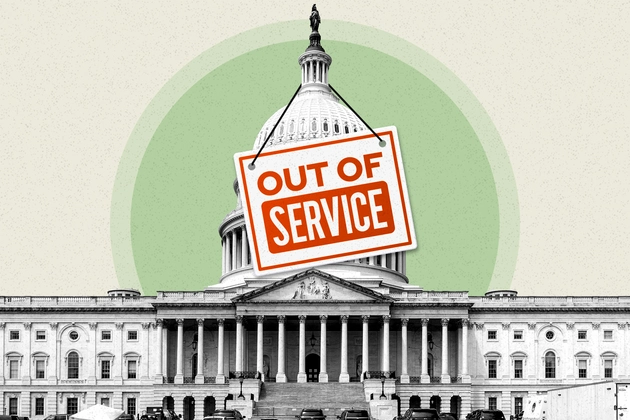
On October 1, 2025, the U.S. federal government entered a shutdown after Congress failed to pass a continuing resolution to fund operations. The stalemate stems from disagreements between Republicans and Democrats over key issues such as health care subsidies under the Affordable Care Act and federal spending levels.
Key Consequences & Developments
- The senate blocked a Republican “clean” stopgap funding bill, and Democrats similarly rejected a counterproposal, deepening the impasse.
- Authorities warn of mass layoffs, elevating the threat beyond typical furloughs seen in previous shutdowns.
- Essential services like the military, Social Security, and Medicaid are expected to continue, but many federal agencies will suspend or scale back operations.
- The shutdown is likely to cost the U.S. economy an estimated $15 billion per week, according to a White House memo.
- Financial markets reacted swiftly—gold prices surged as uncertainty grew, and concerns mounted that military personnel might miss paychecks.
Political and Strategic Context
- The Trump administration has publicly placed blame on Democrats, alleging they are obstructing funding to push health care expansions.
- Republicans view the shutdown as leverage to pursue structural changes in federal spending, especially in programs favored by Democrats.
- Some bipartisan senators are reportedly exploring alternative compromise paths, though no breakthrough has yet emerged.