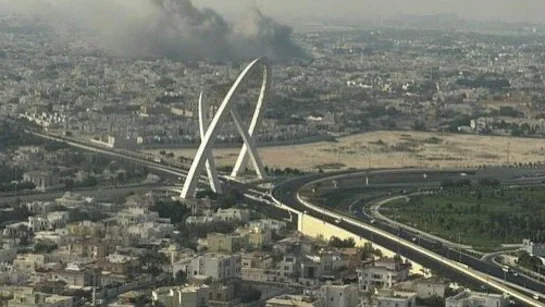
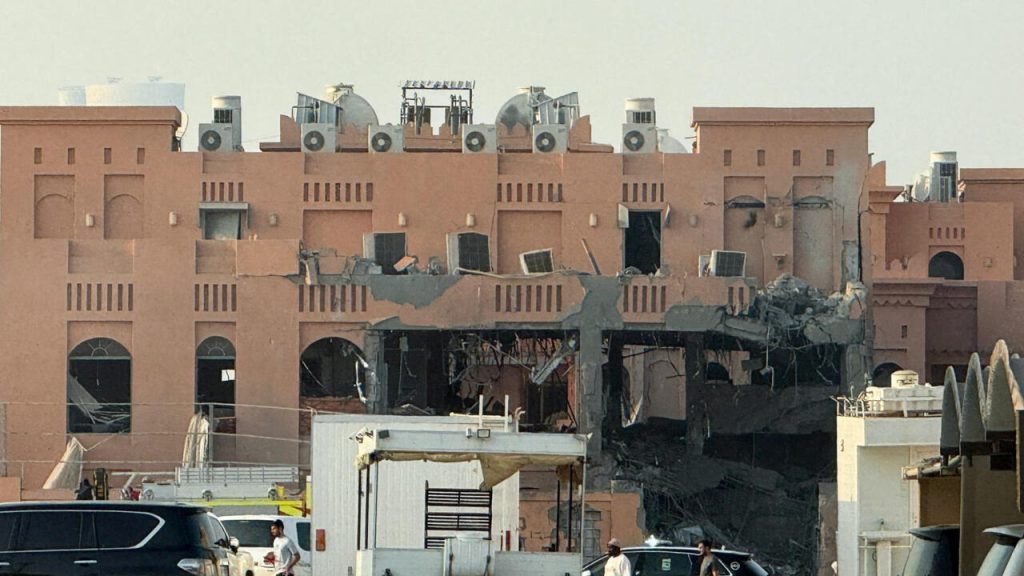
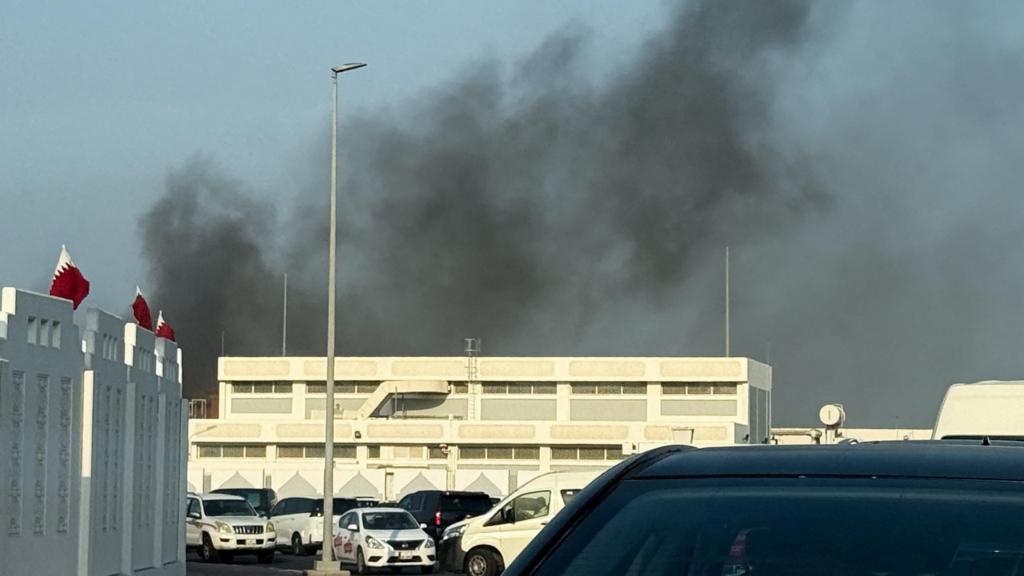
Israel affirmed on September 9, 2025, that it had conducted a military attack in Doha, the capital of Qatar, against top Hamas leaders. The Israel Defense Forces said the operation was based on accurate intelligence and utilized cutting-edge munitions to hit a place where Hamas leaders were gathered. Reports indicate that the gathering was linked to negotiations on a United States-brokered ceasefire plan during the Gaza war. There were blasts observed and heard in Doha’s Katara area, with plumes of smoke billowing into the air, a sight that shocked many since Qatar has traditionally been viewed as a safe haven in the Gulf.
Among those thought to have been hit was Khalil al-Hayya, Hamas’s most senior member and a key negotiator in ceasefire negotiations. Al-Hayya, who has increased in stature following the assassination of several senior Hamas leaders in the early stages of the conflict, survived the strike, according to reports. The fact that he survived does not take away from the importance of what is an unprecedented attack. Israel has never previously mounted an open attack in Qatar, a country which not only harbors Hamas political figures but also acts as a pivotal mediator in the region with support from the United States.
The attack instantly provoked anger from the Qatari government. Doha officials condemned the attack as a criminal undertaking and blatant affront to Qatar’s sovereignty and international law. They called it a cowardly attack on their territory and threatened repercussions. Qatar has had a special position in the Middle East for decades, balancing its relationship with Western allies like the U.S. with its function as a host to Hamas’s political bureau. The attack potentially destabilizes this fragile equilibrium and opens up the possibility of a diplomatic crisis not only between Israel and Qatar but also Washington, which hosts a substantial military presence in the nation.
The United States acted promptly, declaring shelter-in-place orders for its employees in its installations in Qatar, highlighting the gravity of the incident. Experts have termed the strike as an escalation previously unseen in the Israeli–Palestinian conflict. While Israel has come back again and again against Hamas officials in Gaza and beyond, moving its military into Doha marks a response to a desire to ignore traditional regional borders in a quest to capture individuals it claims are behind the October 7 attacks and ongoing threats to Israeli security. Prime Minister Benjamin Netanyahu justified the operation, asserting that it was a wholly autonomous Israeli operation conducted to safeguard his country from those wishing it harm.
The implications of this strike extend beyond the immediate issue of whether Hamas leaders were killed or wounded. It puts the future of ceasefire talks in question, damages Qatar’s credibility as an impartial mediator, and tests its relations with Israel’s Western allies, especially the United States, which has used Qatar for years as a diplomatic conduit to Hamas. It also threatens to fuel tensions throughout the Gulf, where countries have mostly attempted to stay clear of being directly embroiled in the war.
This is not only a military action but also a political and diplomatic break with possible worldwide implications. In attacking in Doha, Israel has shown both the extent of its military intelligence and its commitment to killing Hamas leaders wherever they are to be found, but in so doing it has created a new front of war-one that calls directly into question the sovereignty of a nation that has been at the center of international diplomacy in the Middle East.Israel affirmed on September 9, 2025, that it had conducted a military attack in Doha, the capital of Qatar, against top Hamas leaders. The Israel Defense Forces said the operation was based on accurate intelligence and utilized cutting-edge munitions to hit a place where Hamas leaders were gathered. Reports indicate that the gathering was linked to negotiations on a United States-brokered ceasefire plan during the Gaza war. There were blasts observed and heard in Doha’s Katara area, with plumes of smoke billowing into the air, a sight that shocked many since Qatar has traditionally been viewed as a safe haven in the Gulf.
Among those thought to have been hit was Khalil al-Hayya, Hamas’s most senior member and a key negotiator in ceasefire negotiations. Al-Hayya, who has increased in stature following the assassination of several senior Hamas leaders in the early stages of the conflict, survived the strike, according to reports. The fact that he survived does not take away from the importance of what is an unprecedented attack. Israel has never previously mounted an open attack in Qatar, a country which not only harbors Hamas political figures but also acts as a pivotal mediator in the region with support from the United States.
The attack instantly provoked anger from the Qatari government. Doha officials condemned the attack as a criminal undertaking and blatant affront to Qatar’s sovereignty and international law. They called it a cowardly attack on their territory and threatened repercussions. Qatar has had a special position in the Middle East for decades, balancing its relationship with Western allies like the U.S. with its function as a host to Hamas’s political bureau. The attack potentially destabilizes this fragile equilibrium and opens up the possibility of a diplomatic crisis not only between Israel and Qatar but also Washington, which hosts a substantial military presence in the nation.
The United States acted promptly, declaring shelter-in-place orders for its employees in its installations in Qatar, highlighting the gravity of the incident. Experts have termed the strike as an escalation previously unseen in the Israeli–Palestinian conflict. While Israel has come back again and again against Hamas officials in Gaza and beyond, moving its military into Doha marks a response to a desire to ignore traditional regional borders in a quest to capture individuals it claims are behind the October 7 attacks and ongoing threats to Israeli security. Prime Minister Benjamin Netanyahu justified the operation, asserting that it was a wholly autonomous Israeli operation conducted to safeguard his country from those wishing it harm.
The implications of this strike extend beyond the immediate issue of whether Hamas leaders were killed or wounded. It puts the future of ceasefire talks in question, damages Qatar’s credibility as an impartial mediator, and tests its relations with Israel’s Western allies, especially the United States, which has used Qatar for years as a diplomatic conduit to Hamas. It also threatens to fuel tensions throughout the Gulf, where countries have mostly attempted to stay clear of being directly embroiled in the war.
This is not only a military action but also a political and diplomatic break with possible worldwide implications. In attacking in Doha, Israel has shown both the extent of its military intelligence and its commitment to killing Hamas leaders wherever they are to be found, but in so doing it has created a new front of war-one that calls directly into question the sovereignty of a nation that has been at the center of international diplomacy in the Middle East.
Israel affirmed on September 9, 2025, that it had conducted a military attack in Doha, the capital of Qatar, against top Hamas leaders. The Israel Defense Forces said the operation was based on accurate intelligence and utilized cutting-edge munitions to hit a place where Hamas leaders were gathered. Reports indicate that the gathering was linked to negotiations on a United States-brokered ceasefire plan during the Gaza war. There were blasts observed and heard in Doha’s Katara area, with plumes of smoke billowing into the air, a sight that shocked many since Qatar has traditionally been viewed as a safe haven in the Gulf.
Among those thought to have been hit was Khalil al-Hayya, Hamas’s most senior member and a key negotiator in ceasefire negotiations. Al-Hayya, who has increased in stature following the assassination of several senior Hamas leaders in the early stages of the conflict, survived the strike, according to reports. The fact that he survived does not take away from the importance of what is an unprecedented attack. Israel has never previously mounted an open attack in Qatar, a country which not only harbors Hamas political figures but also acts as a pivotal mediator in the region with support from the United States.
The attack instantly provoked anger from the Qatari government. Doha officials condemned the attack as a criminal undertaking and blatant affront to Qatar’s sovereignty and international law. They called it a cowardly attack on their territory and threatened repercussions. Qatar has had a special position in the Middle East for decades, balancing its relationship with Western allies like the U.S. with its function as a host to Hamas’s political bureau. The attack potentially destabilizes this fragile equilibrium and opens up the possibility of a diplomatic crisis not only between Israel and Qatar but also Washington, which hosts a substantial military presence in the nation.
The United States acted promptly, declaring shelter-in-place orders for its employees in its installations in Qatar, highlighting the gravity of the incident. Experts have termed the strike as an escalation previously unseen in the Israeli–Palestinian conflict. While Israel has come back again and again against Hamas officials in Gaza and beyond, moving its military into Doha marks a response to a desire to ignore traditional regional borders in a quest to capture individuals it claims are behind the October 7 attacks and ongoing threats to Israeli security. Prime Minister Benjamin Netanyahu justified the operation, asserting that it was a wholly autonomous Israeli operation conducted to safeguard his country from those wishing it harm.
The implications of this strike extend beyond the immediate issue of whether Hamas leaders were killed or wounded. It puts the future of ceasefire talks in question, damages Qatar’s credibility as an impartial mediator, and tests its relations with Israel’s Western allies, especially the United States, which has used Qatar for years as a diplomatic conduit to Hamas. It also threatens to fuel tensions throughout the Gulf, where countries have mostly attempted to stay clear of being directly embroiled in the war.
This is not only a military action but also a political and diplomatic break with possible worldwide implications. In attacking in Doha, Israel has shown both the extent of its military intelligence and its commitment to killing Hamas leaders wherever they are to be found, but in so doing it has created a new front of war-one that calls directly into question the sovereignty of a nation that has been at the center of international diplomacy in the Middle East.