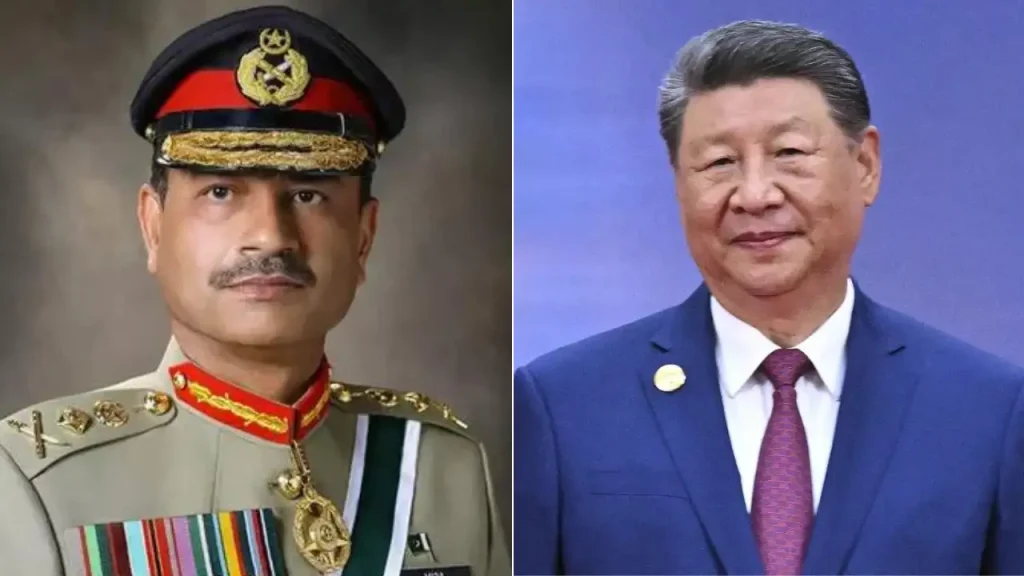
On 2 September 2025, Pakistan Army Chief Field Marshal Asim Munir sat down with Chinese President Xi Jinping in Beijing in what has been widely termed as a very meaningful interaction between the two nations. The schedule of the meeting was especially interesting, as it followed just a day after the end of the Shanghai Cooperation Organisation (SCO) summit on September 2, 2025. Pakistan Army Chief Field Marshal Asim Munir met with Chinese President Xi Jinping in Beijing, in what has been regarded as a significant interaction between the two nations. The timing of the meeting was particularly noteworthy, as it took place just one day after the conclusion of the Shanghai Cooperation Organization (SCO) summit in Tianjin, which Indian Prime Minister Narendra Modi had attended. Pakistani Prime Minister Shehbaz Sharif also joined Munir, and together they constituted the majority of the delegation that engaged in extensive discussions with Xi.
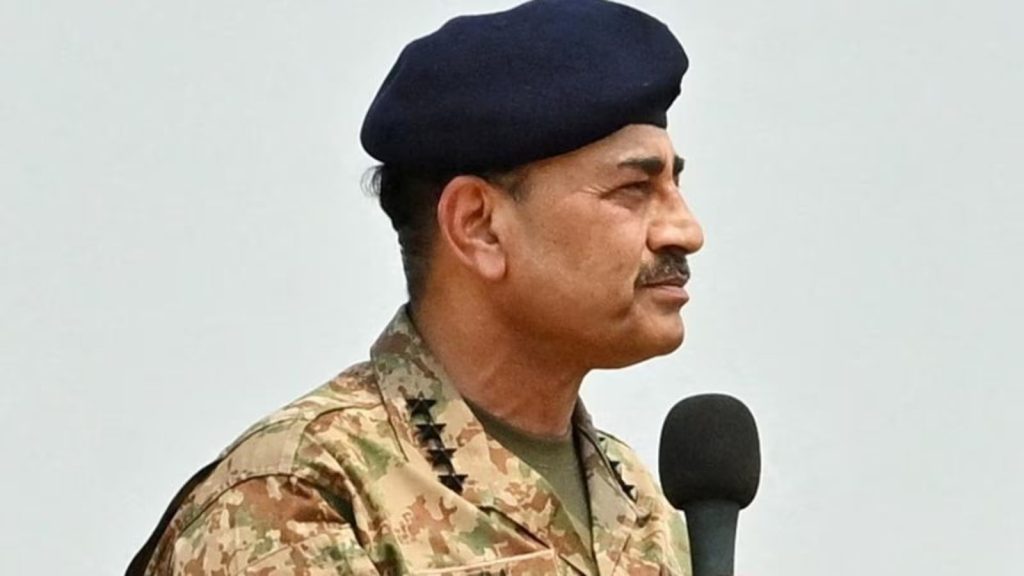
The encounter was the first face-to-face meeting between Asim Munir and President Xi since the appointment of Munir to the exceptional rank of Field Marshal in May 2025, an elevation that underscored his leading role in charting Pakistan’s military and strategic course. In a previous trip to China in July, Munir had met top Chinese leaders such as Vice President Han Zheng and Foreign Minister Wang Yi, but he did not get an audience with Xi. His meeting with the Chinese president in September, therefore, was a considerable jump in rank and symbolism, reinforcing the significance of the military establishment in Pakistan’s ties with Beijing.
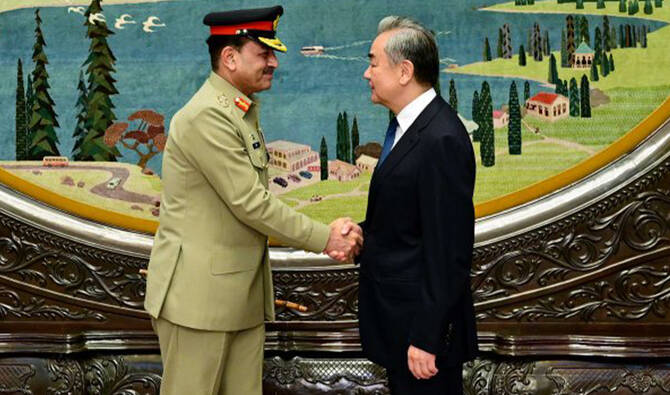
At the negotiations, both parties underscored the importance of consolidating the abiding China–Pakistan friendship in an era of swift global changes. At the center of their discussions were proposals for upgrading the China–Pakistan Economic Corridor, reinforcing cooperation under the China–Pakistan Free Trade Agreement, and consolidating mutual assurances to protect Chinese projects and personnel in Pakistan. Xi Jinping pushed Pakistan to enhance security conditions for Chinese citizens employed on infrastructure and development ventures, an ongoing issue due to security concerns in Pakistan’s frontier areas. Munir and Sharif committed detailed steps to ensure the security of these initiatives, a gesture of Pakistan’s reliance on Chinese investment and Beijing’s demand for strong protections.
Xi also underscored his vision of building a “China–Pakistan community with a shared future,” calling on Islamabad to accelerate cooperation under this framework. The meeting carried geopolitical weight, as it followed closely on the heels of Xi’s engagement with Prime Minister Modi during the SCO summit. The sequencing also brought out the delicate diplomatic choreography in the region: as Xi met Modi at the summit itself, Pakistan’s highest leadership could only get a meeting with him the next day, bringing out the sensitivity and competitive undercurrents in South Asia’s triangular relationship among China, India, and Pakistan.
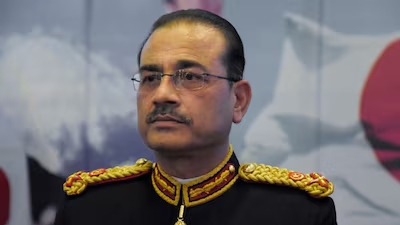
For Pakistan, the meeting was both a reaffirmation of China’s ongoing strategic support and a reminder of the commitments it has to make to keep that support forthcoming. For China, meeting with both Indian and Pakistani leadership in such rapid succession enabled Beijing to hedge its regional interests while communicating that its alliances in South Asia are fluid and pragmatic. The meeting between Asim Munir and Xi Jinping thus transcended ceremonial diplomacy, a testament to the dynamic nature of security, economic, and strategic realignments in the region.