Five big news stories on August 27, 2025, dominated India and global headlines, covering law, politics, diplomacy, and education.
The first news is from the Rajasthan state, wherein a lawyer from Bharatpur, advocate Kirti Singh, registered an FIR against Bollywood stars Shah Rukh Khan and Deepika Padukone and Hyundai Motor India officials. The complaint is about her Hyundai Alcazar, which she alleges has fundamental faults in acceleration and engine control. What gives the complaint importance is that the actors are sued not as car makers but as brand endorsers. Singh’s line of argument is that their endorsements deceived customers regarding the safety and reliability of the car. By calling upon provisions of consumer law, she is demanding accountability from celebrities for the products endorsed by them. The FIR has made news across the country because it poses serious questions regarding the liability of endorsers in cases of consumer safety.
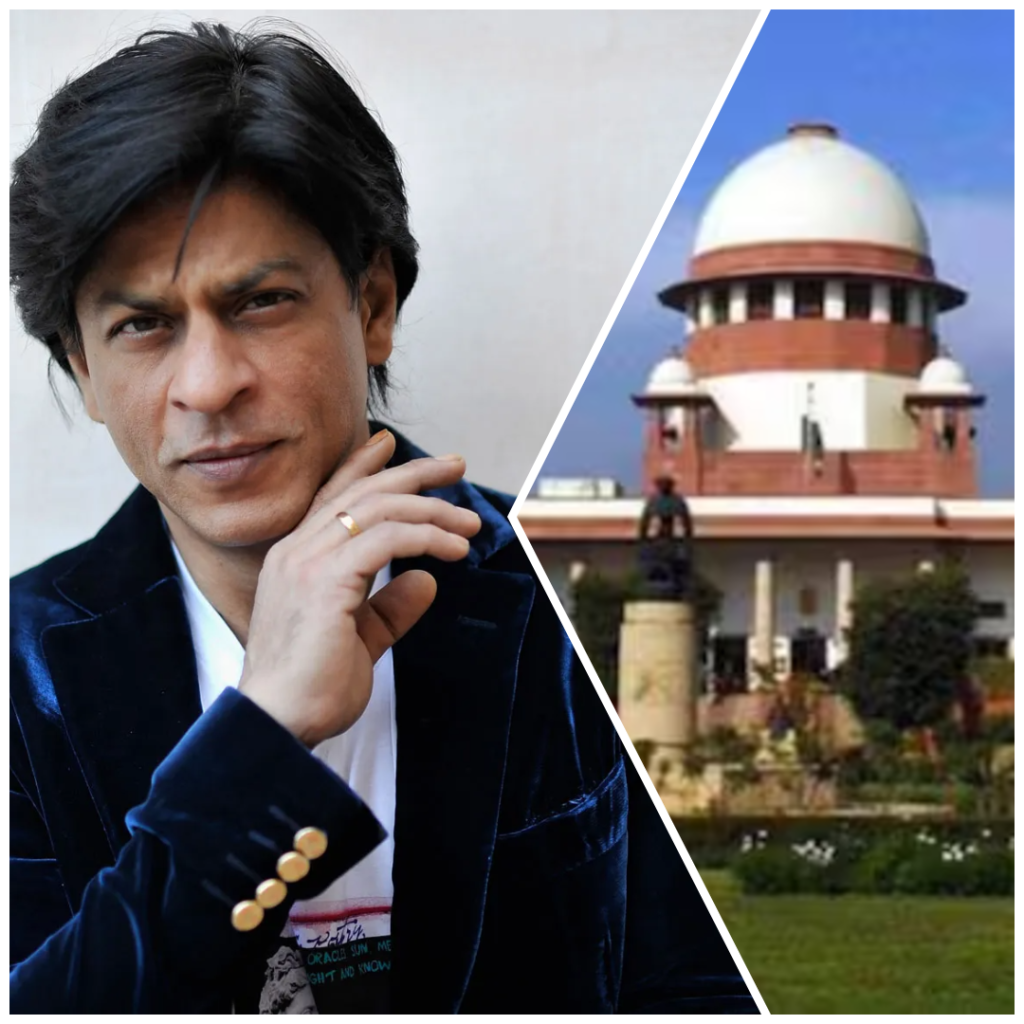
In a related development, the Supreme Court of India is set to achieve its full sanctioned strength of 34 judges. The Centre has cleared the appointments of Justice Alok Aradhe, who is the Chief Justice of the Bombay High Court, and Justice Vipul Manubhai Pancholi, Chief Justice of the Patna High Court. Their elevation is viewed as key to bringing down the pendency of cases before the top court, which is facing a humongous backlog. The action also indicates the government’s determination to keep the Supreme Court at full strength, which has not consistently been the case because of delays in appointments.
Elsewhere, tensions mounted between Denmark and the United States when Copenhagen recalled the American chargé d’affaires. This was after reports that three people with connections to former U.S. President Donald Trump had been operating an influence campaign in Greenland. As reported by Danish intelligence, the campaign was intended to influence public opinion and test Denmark’s relations with the autonomous region. The Danish Foreign Minister said the supposed operation was “unacceptable,” highlighting the strategic and geopolitical sensitivity of Greenland as it sits in the Arctic and given the increased interest of major powers in the area.
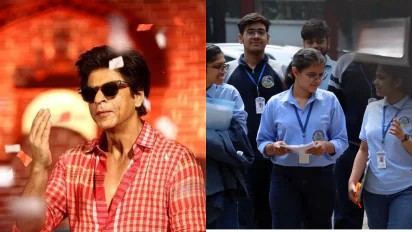
In India, meanwhile, the Central Board of Secondary Education (CBSE) made sweeping changes to how board tests will be held in 2026. For Class 10 students, the board implemented a two-exam format: one mandatory exam in February and another, voluntary attempt in May. The reform seeks to lower the pressure of a single high-stakes exam while providing pupils with a second opportunity in the same academic year. Parallelly, the CBSE made it compulsory for the use of APAAR IDs by all students who appeared for both Class 10 and Class 12 exams. The IDs are expected to enhance transparency, data handling, as well as tracking academic history. The reforms also involve the introduction of a slip of verification of data to be sent from October 13 to October 27, and it will enable schools and students to make minor corrections before making the final submission.

In a connected development, the CBSE has made its rules stricter for the submission of the List of Candidates (LOC), which is an essential step towards registering students for the exams. Please note that, as per the board’s specification, no corrections will be made after the submission of the LOC. Schools have been directed to be careful while submitting, as only students with correctly entered details will be allowed to appear for the exams. By requiring the APAAR ID association, CBSE intends to avoid errors, fake entries, and inconsistencies, again bolstering the integrity of the examination process.
Collectively, they represent a broad range of topics—from celebrity responsibility in consumer law to bolstering India’s judiciary, from global diplomatic tensions over strategic lands to significant changes to the nation’s education system. Would you prefer me to write this up in the format of a news digest article, much like what you’d find in a newspaper’s “5 must-reads” section?