In the Jammu division, a chain of catastrophic cloudbursts and heavy showers in the last 24 hours has claimed four lives and caused extensive dislocations, more notably in the Doda district as well as along the Vaishno Devi pilgrimage route. The situation became more serious, with rescue teams working in swept-away areas and red alerts being sounded by the India Meteorological Department for some districts.
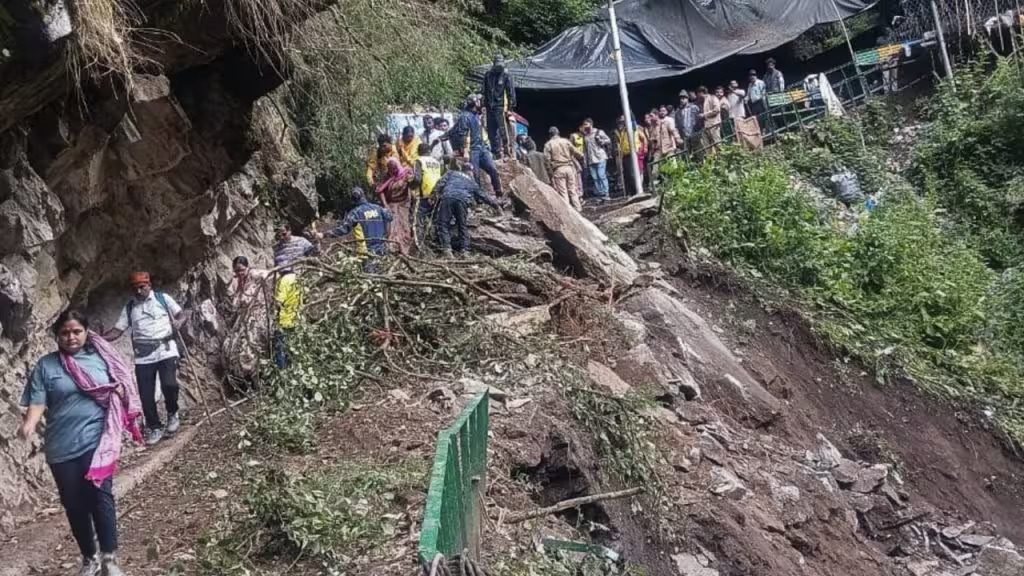
In the Doda district, the rain caused flash floods and several landslides. Two of the four casualties were because of houses breaking down under water and debris loads, and the remaining two were washed away by raging floodwaters. Rescue efforts are in very difficult terrain conditions, with the National Disaster Response Force (NDRF), State Disaster Response Force (SDRF), and local authorities collectively undertaking search operations for survivors and removing obstructions. A number of individuals are still assumed to be trapped beneath rubble in far-flung villages, where it has become almost impossible to reach due to wrecked or washed-off roads.
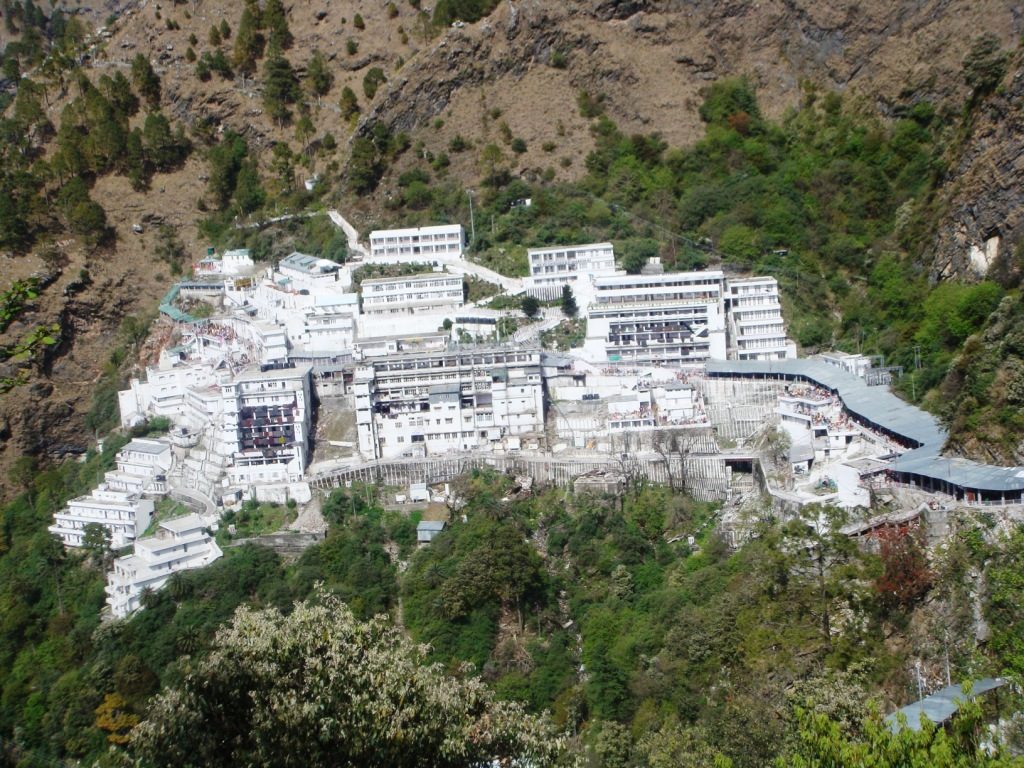
At the same time, the Shri Mata Vaishno Devi pilgrimage has been put on hold indefinitely after a landslide of huge proportions occurred near the Indraprastha Bhojanalaya in the Ardhkuwari complex of Katra. The area is situated on the uphill trekking path towards the shrine, and the boulders falling and soil loosening have rendered it unsafe for any additional pilgrim movement. Thousands on the way or ready to go on pilgrimage have been stopped at base camps and other holding camps, as authorities take safety and damage assessment into consideration. Helicopters stood ready for any medical evacuations if necessary.
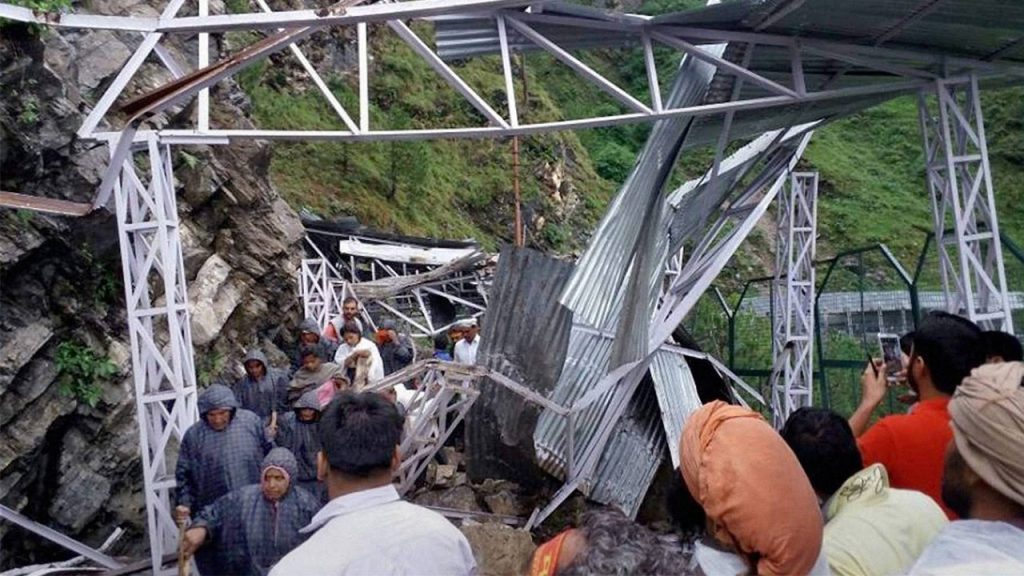
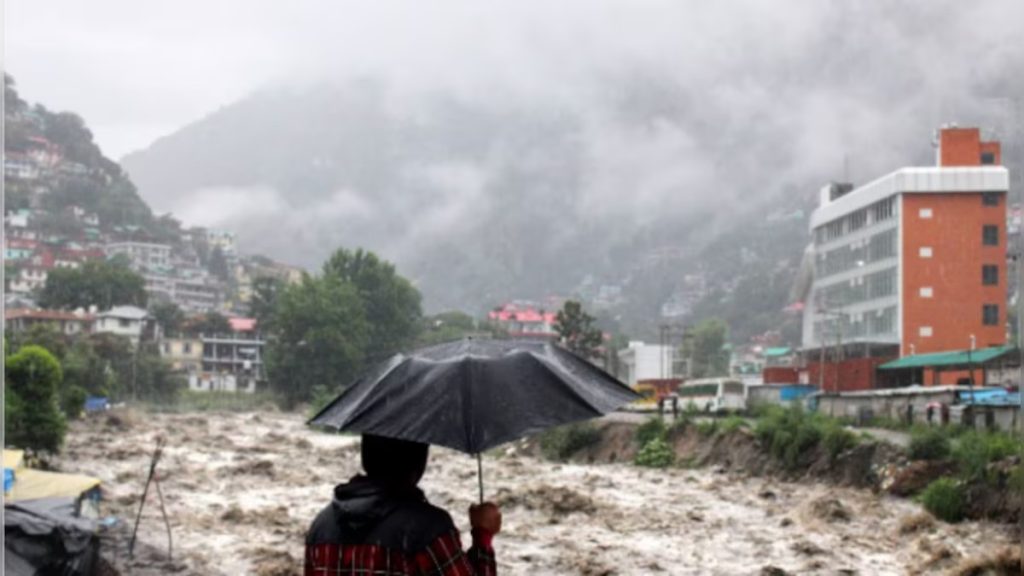
The heavy rains have also induced flooding in a number of rivers, with water levels coming perilously close to the marked danger marks in some areas of the Jammu division. The Jammu–Srinagar national highway has been blocked by several landslides and rockfalls, severing a vital lifeline for Kashmiri civilian and goods movement to the rest of India. Traffic has been totally suspended in large sections, and restoration operations are being delayed by ongoing rain and slippery terrain.
The state government has reacted by making emergency funds available for relief and rehabilitation on an immediate basis. Chief Minister Omar Abdullah spoke to the media, terming the situation as “quite serious” and committing all available resources to the affected people. He also directed that there should be an ongoing monitoring of weather patterns, landslide areas, and rescue operations. Temporary shelters are being set up for flash flood- and landslide-displaced persons, and medical teams are being sent to remote villages which suffer from power outages and water contamination.
The IMD has put out a red alert for districts such as Doda, Kishtwar, Kathua, and Reasi, indicating sustained heavy to very heavy rain in the next 48 hours. Residents in low-lying and hilly regions have been asked to shift to safe places in anticipation of additional landslides, flash floods, and structural damage.
In total, the area is facing a man-made disaster that not only claimed lives but also upended essential religious, logistical, and social infrastructure. The next few days will be decisive as weather patterns keep changing and rescue and relief efforts escalate.