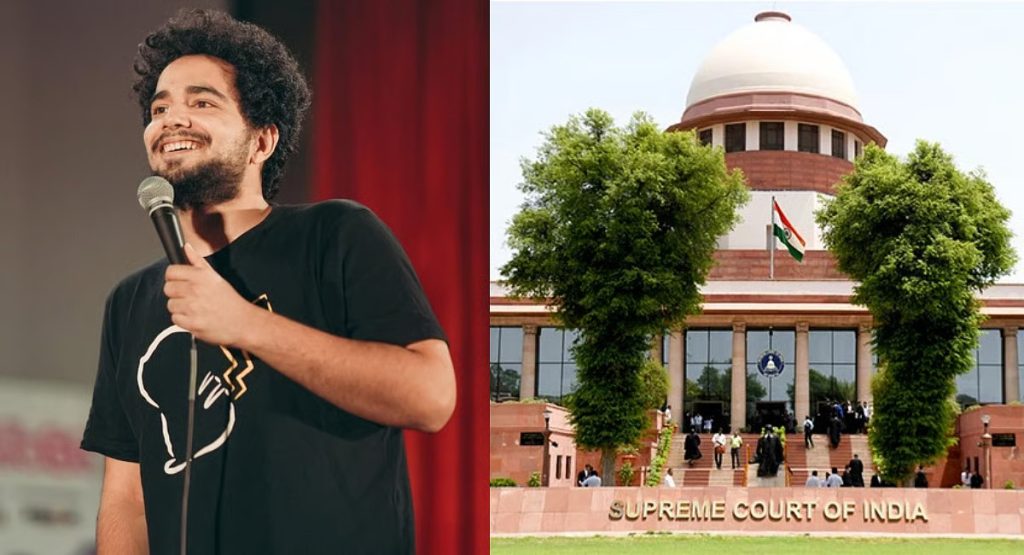
In a landmark judgment, India’s Supreme Court instructed comedian Samay Raina and four other social media personalities to tender a public, unqualified apology for posting content that ridiculed individuals with disabilities. The issue arose out of an incident of Raina’s show, “India’s Got Latent,” which included derogatory comments and jokes directed against persons with physical and neurological disability, including SMA, blindness, and strabismus (crossed eyes). The court was especially not pleased with the fact that this material was introduced as comedy but actually ended up humiliating marginalized communities, in this case, persons with disabilities.
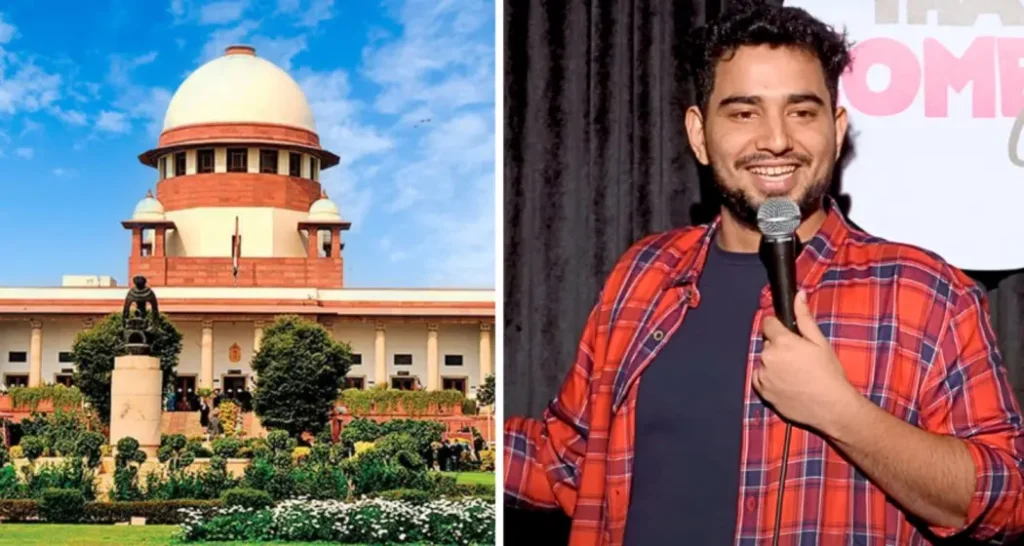
The debate entered the national arena after the Cure SMA Foundation petitioned, claiming that the segment had caused irreparable harm to the disabled community and had transgressed ethical and legal limits. The material was widely shared on YouTube and other websites, fueling public indignation and ultimately judicial oversight.
The Supreme Court bench of Justices Surya Kant and Joymalya Bagchi strongly dismissed the claim that the video was entitled to protection under the right to freedom of speech as provided for by Article 19(1)(a) of the Indian Constitution. The bench noted that although humor and satire are privileged modes of expression, this privilege does not apply to speech that insults or mocks persons on the basis of their physical or mental condition, particularly when it is commodified and circulated for pecuniary gain. The court made a sharp differentiation between freedom of expression and commercialization of speech, holding that the latter involves a greater level of responsibility, particularly when it targets vulnerable groups.
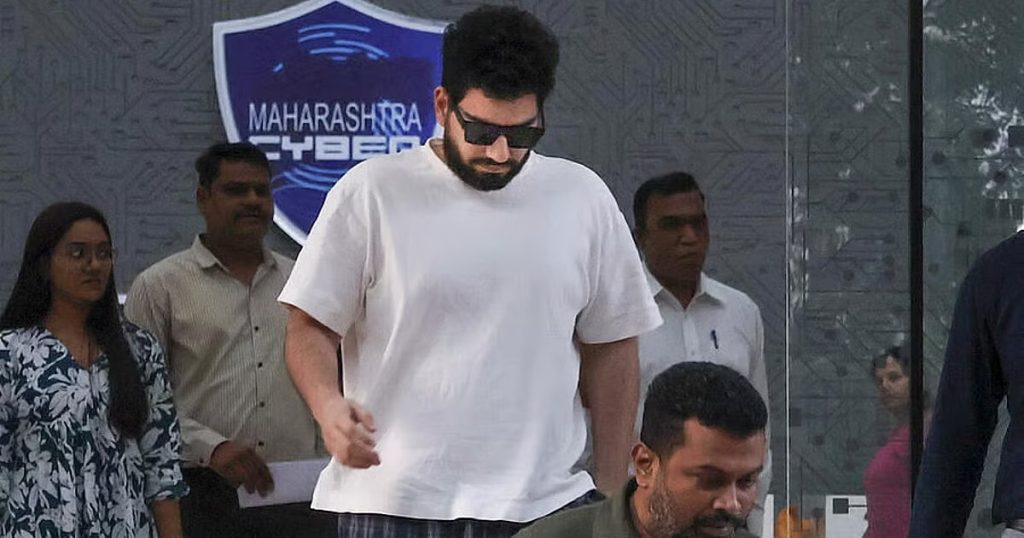
Even though the influencers involved had made apologies in court in previous hearings, the Supreme Court deemed this inadequate. It held that the apologies should be made publicly on the same platform that the offending content was shared. This implies that Samay Raina and the other influencers are now compelled to post unconditional apologies on their YouTube channel, podcasts, or social media handles so that their listeners and followers get a proper understanding of the gravity of their actions.
Besides the public apology, the Court ordered the influencers to file affidavits explaining how they will utilize their platforms to enhance awareness on the rights and dignity of persons with disabilities. This is not symbolic; it indicates the Court’s larger interest in holding online content creators responsible for the social impact of their content. The justices explained that those with big social media followings owe a unique duty not to abuse their influence in ways that give rise to discrimination or stigma.
The verdict also marks a bigger change in the legal and regulatory environment around online speech in India. In an aggressive remark, the Court slammed the current lack of regulation around content created by social media influencers. It directed the Union Government to hold consultations with bodies like the National Board for the Welfare of Persons with Disabilities and develop detailed guidelines so that digital content meets at least minimum standards of decency and respect for vulnerable groups like women, children, senior citizens, and those with disabilities.
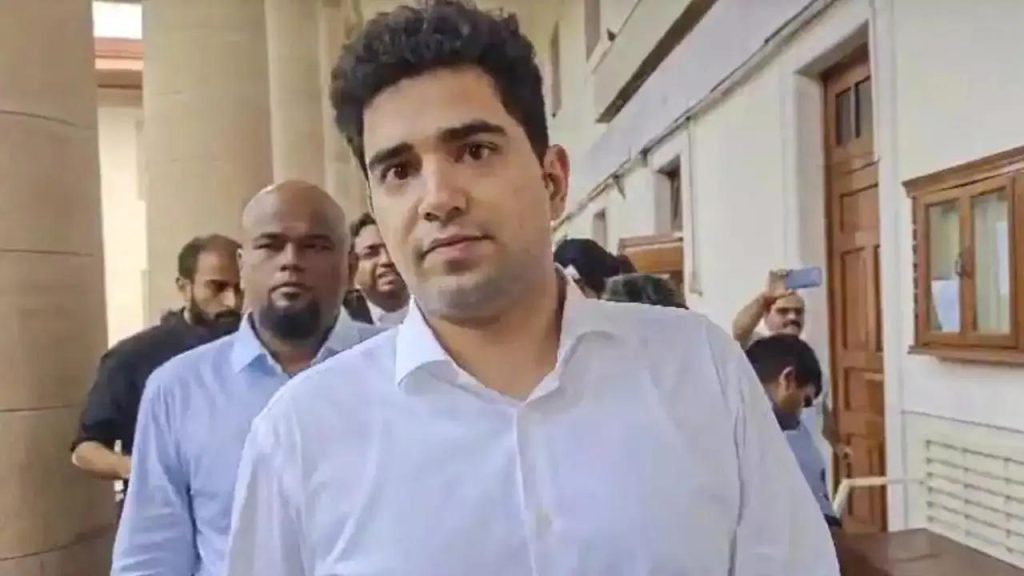
Justice Joymalya Bagchi, recognising that humour does have its place in public conversation, went on record as saying unequivocally that there is a line between joking well and producing material which mocks people, as opposed to joking with them. He noted that the material at issue did not only cross over this line but did so in a way that profited from other people’s humiliation. This, the Court held, makes the free speech defense impossible to uphold in these circumstances.
The issue is left open to further proceedings. Although the Court has not so far ordered monetary sanctions, it has indicated that the second stage of the case can include deliberation of punitive damages or other restitution. The result is likely to have a considerable chilling effect on insensitivity of digital content, particularly as the law develops to subject influencers to greater oversight.
This decision is likely to act as a precedent for future cases concerning offensive or discriminatory speech on the internet. It sends a clear message that freedom of speech does not provide immunity when that speech maintains social prejudices or lowers the dignity of disadvantaged groups. For individuals like Samay Raina and others listed in the petition, the verdict acts as a judicial rebuke as well as an appeal for self-reflection regarding the moral appropriation of their platforms.