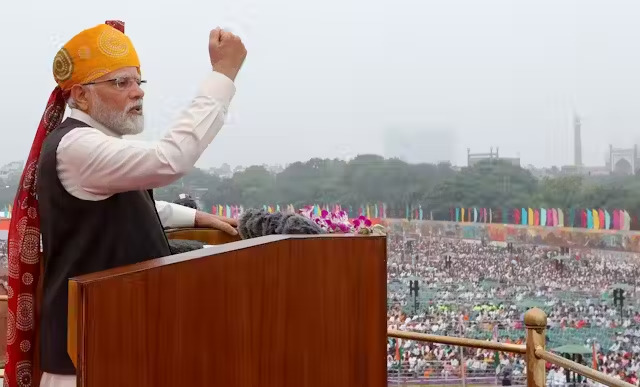
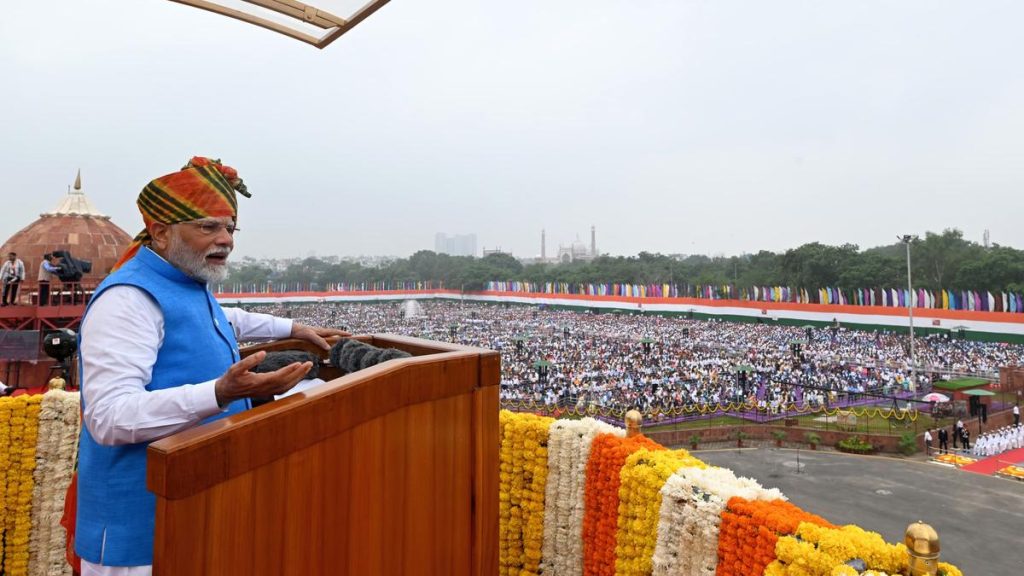
On August 15, 2025, in his Independence Day speech from the Red Fort, Prime Minister Narendra Modi presented an ambitious plan for India’s growth in defense, technology, youth jobs, and economic reform. His address showcased India’s continued march toward becoming a self-sufficient, world-class nation by 2047 — the centenary of independence. One of the biggest announcements was the introduction of the PM Viksit Bharat Rozgaar Yojana, a ₹1 lakh crore employment scheme aimed at India’s youth. The program has been intended to generate millions of jobs and drive growth in areas that are key to India’s long-term growth, particularly in the digital and manufacturing sectors.
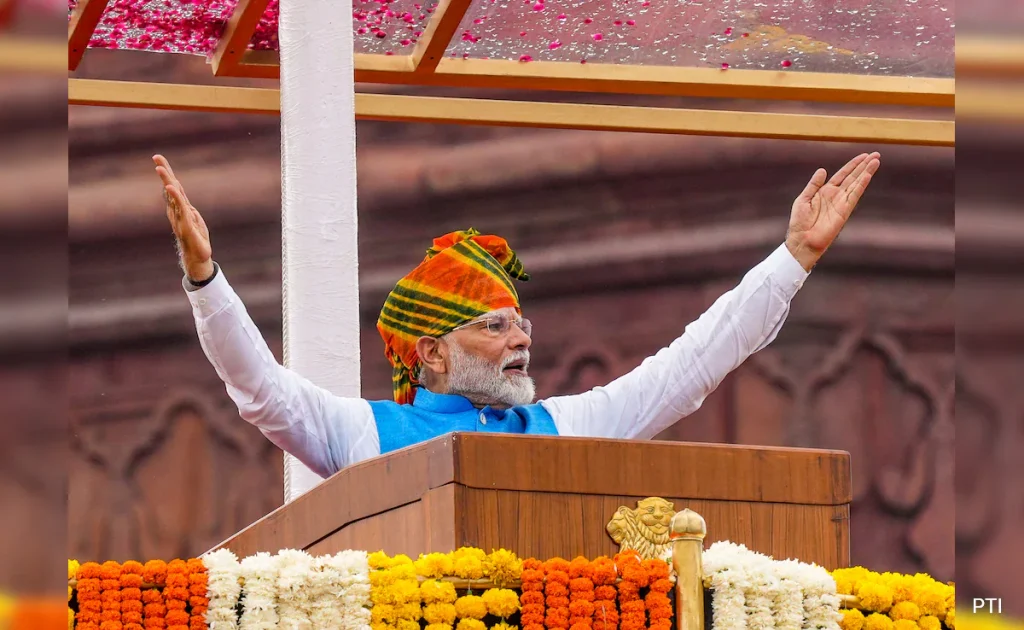
Another key highlight was the confirmation that “Made in India” semiconductor chips would be hitting the market by the end of 2025. This is a great milestone for India on its journey to becoming self-dependent in cutting-edge electronics and cutting back on the reliance on international supply chains, especially the East Asian economies dominated chains. The Prime Minister also made a national call for Indian engineers and innovators to design indigenous jet engines for fighter jets — a crucial capability that India presently imports. This call is congruent with his vision of enhancing national security through indigenous production, including in defense.
Carrying the defense thrust further, Modi announced “Mission Sudarshan Chakra,” a future-generation weapons and defense platform with a view to dramatically enhancing India’s strategic strength. While details are classified, it is just part of a larger exercise to modernize India’s military infrastructure. At the same time, he also said ten new nuclear reactors would be built, making nuclear energy one of the pillars of India’s clean energy future. This was followed by the announcement of the National Deepwater Exploration Mission, an effort to access unexplored oceanic resources and increase India’s blue economy. These resource and energy-focused initiatives are designed to decrease foreign energy dependence for the country and encourage sustainability.
In an effort to enhance governance and overall economic efficiency, Modi announced a new task force to lead reforms of the next generation. This entity will study structural reforms in taxation, investment policies, and business procedures. A central component of this reform agenda is a new Goods and Services Tax (GST) regime, which he assured would come into force before Diwali. The new GST system will seek to simplify compliance for small businesses and lower the overall tax incidence on necessities, rendering the system friendlier to citizens and industry.
On the population front, the Prime Minister has decided to set up a High-Powered Demography Mission. The mission is meant to look into the issue of demographic balance and illegal migration, especially in border states. It will probably bring together initiative around national ID authentication, border protection, and entitlements on the welfare front to see that the resources get focused in the correct and secure manner.
Modi also pressed India’s wider economic vision, reaffirming his government’s intention to make India a $10 trillion economy. For this purpose, he announced that the newly established reform task force will also be responsible for reducing bureaucratic red tape, updating laws, and enhancing investment conditions to make India the best place in the world for capital.
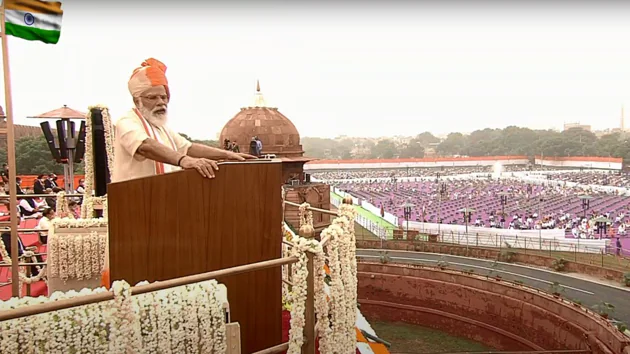
Across the speech, the big themes were always evident: empowering youth, indigenous technological capability, energy security, and defense. The announcements fit into Modi’s overall narrative of creating a “Viksit Bharat” or Developed India by 2047 — an India that is powerful, self-sufficient, and globally admired.