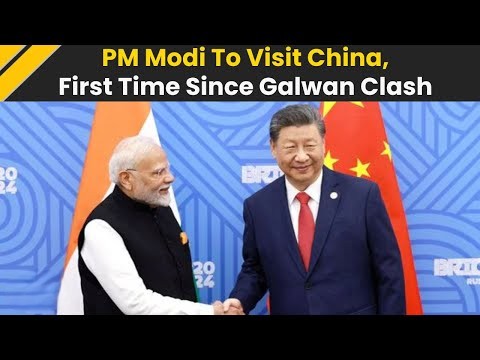
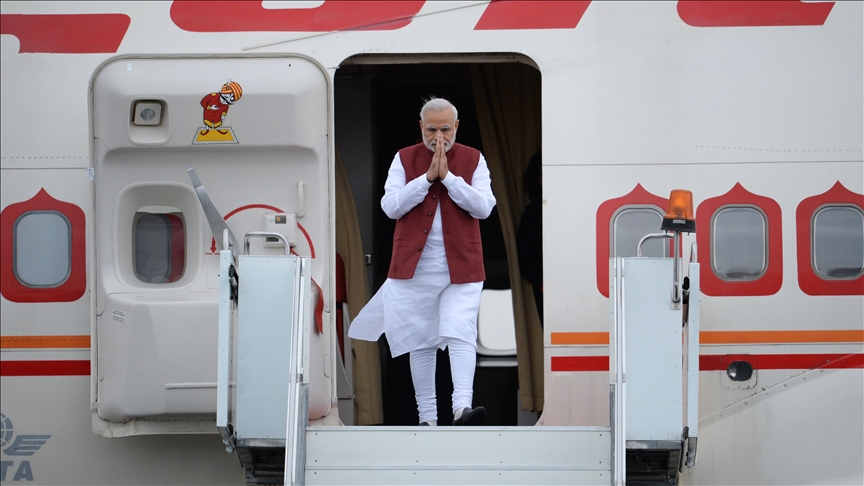
Prime Minister Narendra Modi is set to visit China from August 31 to September 1, 2025, to attend the Shanghai Cooperation Organisation (SCO) summit in Tianjin. This marks his first trip to China since 2019 and the first since the sharp tensions triggered by the 2020 Galwan Valley clashes.
His last visit to China occurred in 2019, not seven years ago as previously mentioned—so it’s actually been over five years since his last India‑China visit.
PM Modi’s Visit to China – Key Highlights
- Date of Visit: August 31 – September 1, 2025
- Occasion: Attending the Shanghai Cooperation Organisation (SCO) Summit
- Venue: Tianjin, China
- Significance: First visit to China by PM Modi in over five years (since 2019)
Context & Background
- PM Modi last visited China in 2019 for diplomatic and trade discussions.
- The bilateral relationship severely deteriorated after:
- 2020 Galwan Valley clash in Ladakh, where 20 Indian soldiers were killed.
- Continuing border tensions and military standoffs along the Line of Actual Control (LAC).
- This visit is viewed as a reset or cautious thaw in strained India-China ties.
Objectives of the Visit
- Attend the SCO Summit:
The summit gathers leaders from member countries (China, Russia, India, Pakistan, Central Asian nations) to discuss:- Regional security
- Counterterrorism
- Economic cooperation
- Climate and connectivity issues
- Rebuild Diplomatic Channels:
- Re-engage at the leadership level after years of diplomatic stagnation.
- Explore peaceful border conflict resolution mechanisms.
- Push for restoration of trade normalcy disrupted post-2020.
- Strategic Discussions Expected:
- Energy cooperation (especially in light of Russia sanctions and oil trade shifts).
- Terrorism concerns, especially with Pakistan as a SCO member.
- Regional stability in Asia, particularly post-U.S. withdrawal from Afghanistan and rising influence of China in South Asia.
India-China Bilateral Tensions
- Border Disputes:
- Frequent standoffs in eastern Ladakh, Arunachal Pradesh, and Sikkim.
- Both sides have conducted over 20 rounds of military-level talks, with no breakthrough.
- Trade & Economic Issues:
- India imposed curbs on Chinese apps and investments post-Galwan clash.
- Despite tensions, China remains one of India’s top trade partners (trade crossed $130 billion in 2024).
- Global Strategic Competition:
- China’s close ties with Pakistan remain a security concern for India.
- India has deepened its ties with the U.S., Japan, and Australia via QUAD—seen as a counterbalance to China.
Broader Geopolitical Implications
- Strengthening Regional Diplomacy:
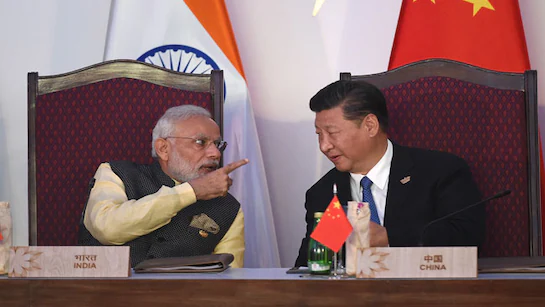
India is emphasizing multi-alignment—engaging with both the West (G7, QUAD) and East (SCO, BRICS). - Signal to Global Powers:
Modi’s presence at the SCO indicates India’s commitment to Eurasian engagement and willingness to navigate complex diplomacy. - Domestic Political Timing:
The visit also comes months after India’s general elections (May 2025), where Modi’s party returned to power for a third term—this boosts his leverage diplomatically.
Summary Bulletpoints
- PM Modi’s first visit to China since 2019.
- Occurs during the SCO Summit in Tianjin on August 31 – Sept 1.
- Key goals:
- Attend regional security and economic discussions.
- Reset strained India-China ties post-Galwan clash.
- Push for stability, trade normalization, and border peace.
- Significance:
- Could mark a turning point in bilateral diplomacy.
- Important for regional power balance and global perception.
- Closely watched by international powers (e.g., U.S., Russia, EU, Japan).