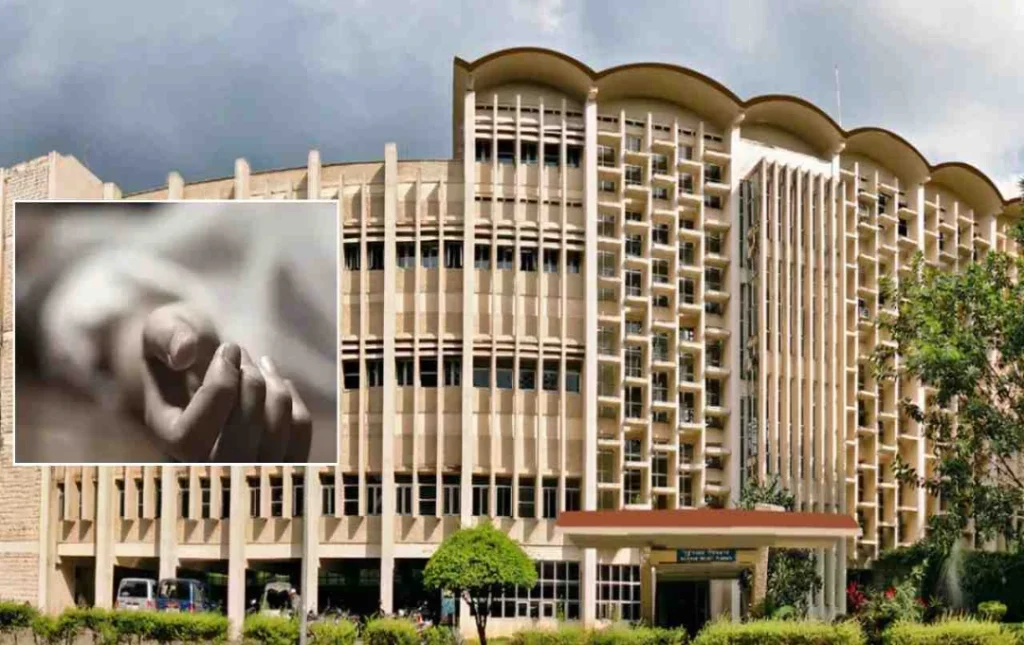
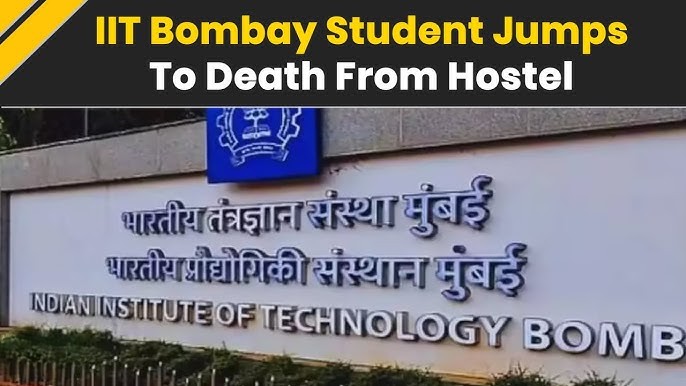
On August 2nd, 2025, a student named Rohit Sinha died after allegedly jumping from his hostel building.
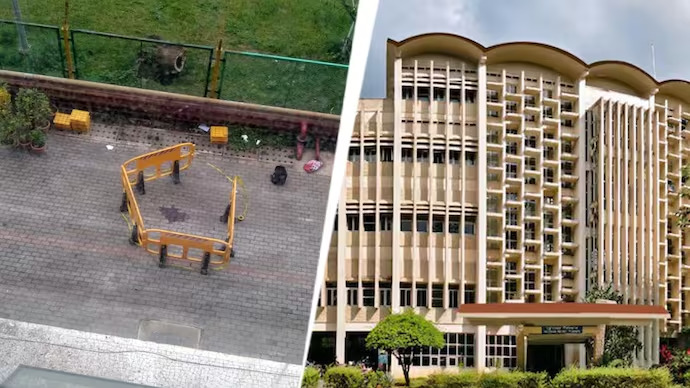
In the early hours of August 2, 2025, the Indian Institute of Technology Bombay was shaken by the sudden and tragic death of a senior undergraduate student, Rohit Sinha. A fourth-year student from the Metallurgical Engineering and Materials Science department, Rohit reportedly fell from the terrace of his hostel building located on the Powai campus. The incident occurred around 2:30 a.m. and was witnessed by a fellow student who was present on the terrace at the time, engaged in a phone call. Emergency services were alerted immediately, and Rohit was rushed to a nearby hospital. However, despite swift medical attention, he was declared dead on arrival.
Rohit, originally from Delhi, had spent nearly four years at the institution and was known among peers as a quiet and sincere student. The circumstances of his fall remain unclear. The Powai Police registered an Accidental Death Report and have launched an investigation into the incident. No suicide note was found on his person or in his room, and while some unconfirmed reports have suggested the possible influence of alcohol, authorities have not released any official statement verifying this detail. The investigation is ongoing, with police reviewing CCTV footage, interviewing hostel residents, and awaiting forensic and postmortem reports.
IIT Bombay issued a brief public statement acknowledging the loss and expressing profound sorrow over Rohit’s death. The administration noted that they were cooperating with authorities and urged students to seek support if they were feeling distressed. The incident has left the campus community reeling, with many students expressing a sense of shock and helplessness over yet another death within the walls of one of India’s most elite academic institutions.
Rohit Sinha’s death is the tenth reported suicide or suspected suicide among students at Indian Institutes of Technology in 2025 alone. This number underscores a growing concern within academic circles, student communities, and among policymakers about the mounting mental health crisis in India’s higher education system. These incidents have not only become more frequent but are also increasingly met with questions about how institutions like IITs are—or are not—equipped to support the mental well-being of their students.
Just days before Rohit’s death, the Supreme Court of India made a significant statement during a public hearing, describing the pattern of student suicides in premier institutes as a reflection of systemic failure. The Court urged educational institutions to reassess their academic culture, examine the intensity of competition, and provide accessible, stigma-free mental health resources. In many IITs, including IIT Bombay, concerns about high-pressure environments, social isolation, and lack of emotional support systems have been raised for years. Despite several student-led petitions and internal studies, concrete reforms have been slow to materialize.

Rohit’s passing has reignited these debates. Students on campus have begun informal conversations about organizing memorials and mental health awareness sessions. Some have questioned whether existing support structures like counseling centers and student wellness programs are truly accessible or whether they exist more in name than in practice. Others are calling for greater accountability and transparency from the administration when it comes to handling student distress, including regular audits of mental health services and the presence of trained professionals within hostels and academic departments.
Family members of the deceased have not yet issued a public statement. Media coverage of the incident has been restrained, likely out of respect for the family’s privacy and in line with guidelines to prevent the sensationalization of suicide. However, the silence surrounding the details of the investigation has also drawn criticism from mental health advocates, who argue that public institutions must be more forthcoming in acknowledging both the scale and causes of these tragedies.
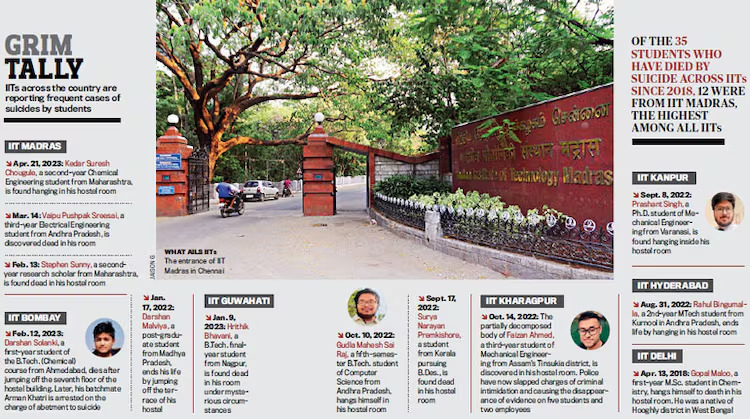
As IIT Bombay continues to mourn the loss of Rohit Sinha, his death becomes yet another name in a growing list of students whose lives have ended prematurely under the shadow of academic pressure and psychological distress. While investigations will eventually determine the immediate circumstances of his fall, the deeper question remains unresolved—how many more students must suffer before India’s top institutions confront the mental health crisis with the seriousness it demands?