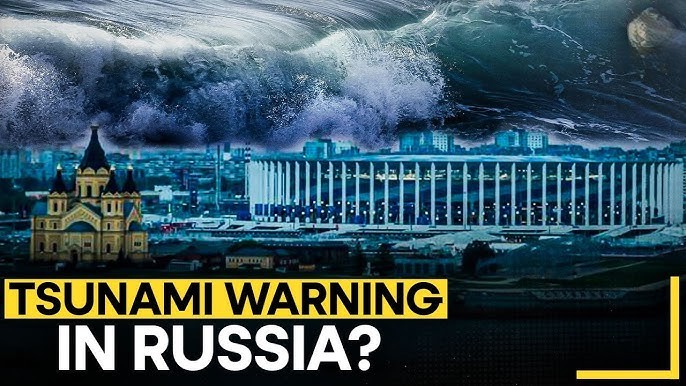
On July 30, 2025, a powerful magnitude-8.8 earthquake struck off Russia’s Kamchatka Peninsula, triggering tsunami waves across the Pacific Ocean.
Russia: Waves up to 4 m hit the coast, causing flooding.
Japan: Evacuations for nearly 2 million; waves ~1 m.
Hawaii: Waves ~1.8 m; emergency declared.
US West Coast & Canada: Tsunami advisories issued.
Other Pacific nations: Warnings activated; minor wave impacts.
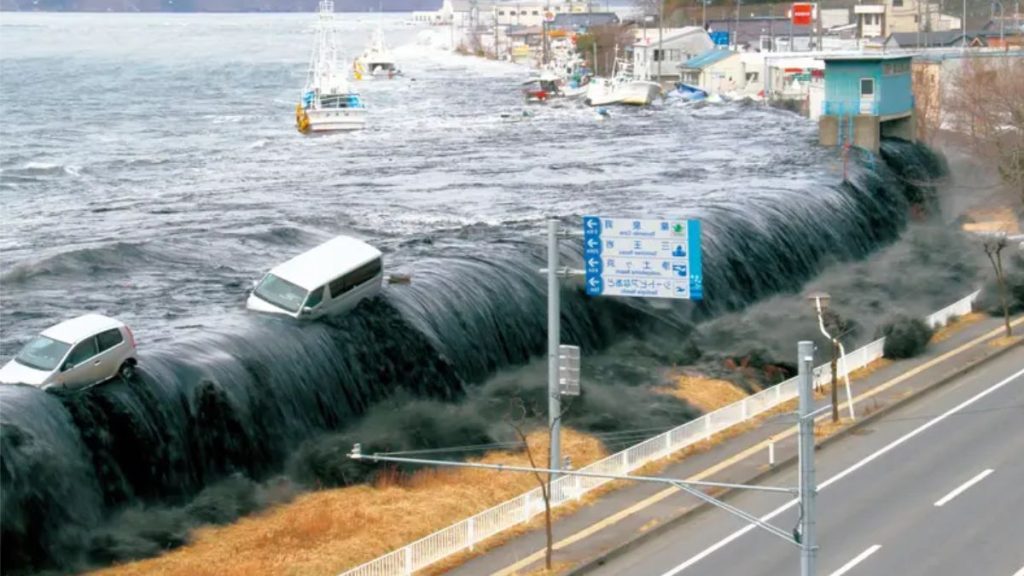
Major Event: Tsunami Triggered by Earthquake off Kamchatka
- Date & Magnitude: On July 30, 2025, a massive magnitude‑8.8 earthquake struck off Russia’s Kamchatka Peninsula, at a shallow depth (~19‑20 km).
- Location: Approximately 120–136 km east‑southeast of Petropavlovsk‑Kamchatsky.
Tsunami Impact:
- Russia: In Severo‑Kurilsk and surrounding coastal areas, tsunami waves up to 3–4 meters struck within 15 minutes, inundating up to 200 m inland and causing infrastructure damage. No confirmed fatalities yet.
- Japan: Across northern Japan (notably Hokkaido), up to 1 meter‑high waves hit, prompting evacuation orders affecting 1.9–2 million people. Workers at Fukushima were relocated as a precaution; no major reported damage.
- Hawaii: First waves reached about 1.8 meters, triggering evacuation orders in Honolulu and state of emergency declarations. Sirens sounded; evacuations and traffic jams reported.
- U.S. West Coast & Canada: Coastal advisories in place for California, Oregon, Washington, Alaska, and British Columbia. Projected wave heights ranged from 0.3–1 meter, with dangerous currents expected. No major damage reported so far.
- Other countries: Tsunami warnings or watches were issued for Peru, Ecuador, Taiwan, Philippines, China, South Korea, New Zealand, Mexico, Chile, and Micronesia. Expected wave heights varied between less than 0.5 m to over 1 m depending on distance.
- Aftershocks Recorded: Several strong aftershocks, including magnitude 6.9, followed the main quake around Kamchatka.
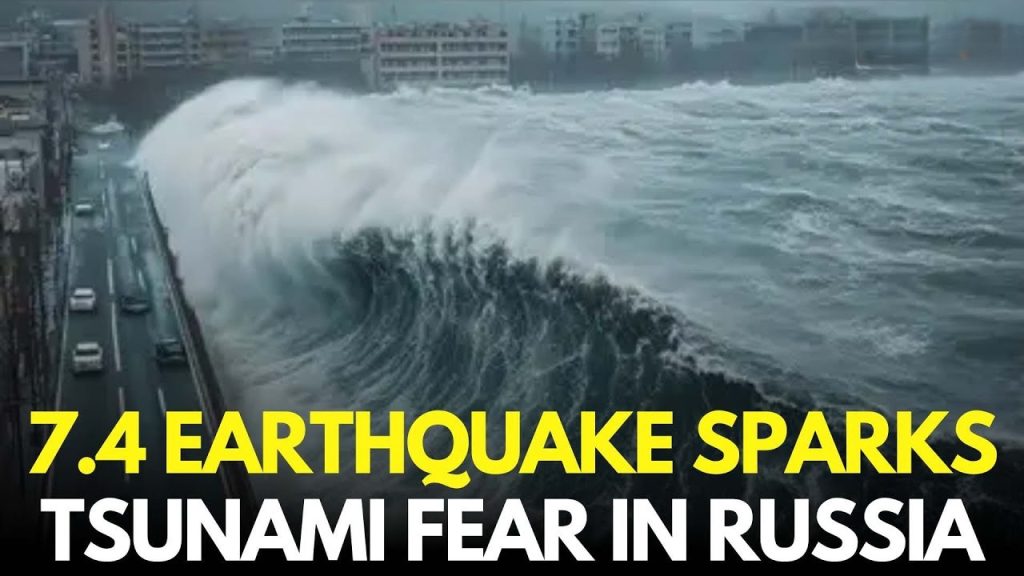
Key Takeaways
- This earthquake is the largest in the region since 1952, and among the strongest globally since the 2011 Tōhoku event.
- The shallow depth of the quake increased tsunami potential, generating waves across vast distances.
- Warnings, evacuations, and safety measures were activated efficiently across affected regions, limiting human loss despite property damage.
- India has not issued any tsunami alerts related to this event. The Indian Tsunami Early Warning System (run by INCOIS) operates continuously but remains inactive for the Indian Ocean in this case, as the seismic event was in the Pacific.
Summary Table
| Region | Tsunami Wave Estimate | Impact / Response |
|---|---|---|
| Kamchatka (Russia) | 3 – 4 m | Flooding, some damage; no fatalities reported |
| Northern Japan (Hokkaido) | ~1 m | Evacuations (~2 M people), minor disruptions |
| Hawaii | ~1.8 m | Evacuations, emergency declarations, no major damage |
| U.S. West Coast & Canada | 0.3 – 1 m | Advisories/watches; dangerous currents |
| Other Pacific nations | <0.5 m to >1 m | Warnings issued; limited reported impacts |