Data presented at ENDO 2025 in San Francisco, California suggest that metabolic health factors may be the primary driver of changes in sexual function among healthy aging men.
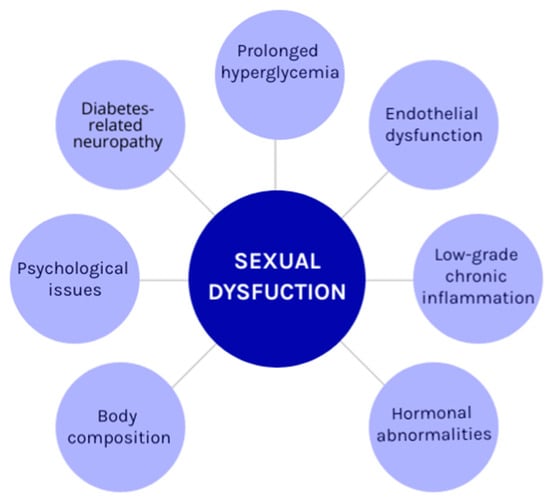
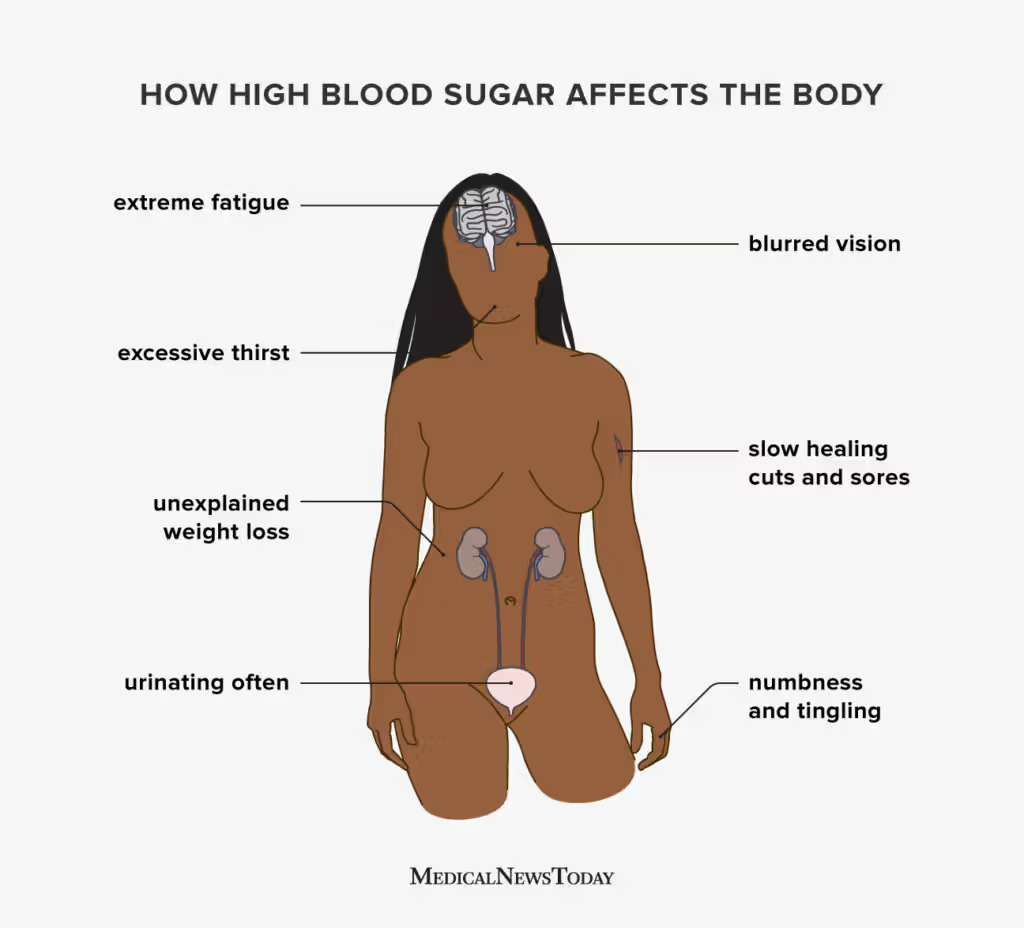
- Diabetes, characterized by high blood sugar levels, can significantly impact sexual health and quality of life in both men and women. This impact often stems from long-term complications of poorly managed diabetes, including nerve damage, blood vessel damage, hormonal imbalances, and psychological factors.
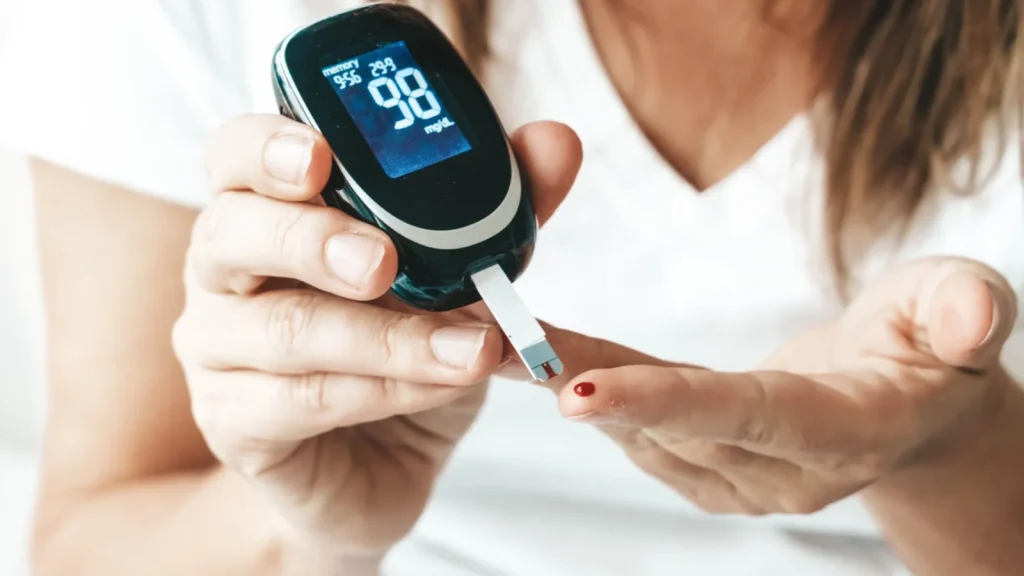
- Specifically, the investigators found that in healthy aging men without developing diabetes mellitus, modest increases in HbA1c were linked with declines in sperm motility and erectile function. This increase in HbA1c was shown to have a greater influence on sexual wellbeing than age alone.

Here’s how diabetes can affect your sex life:
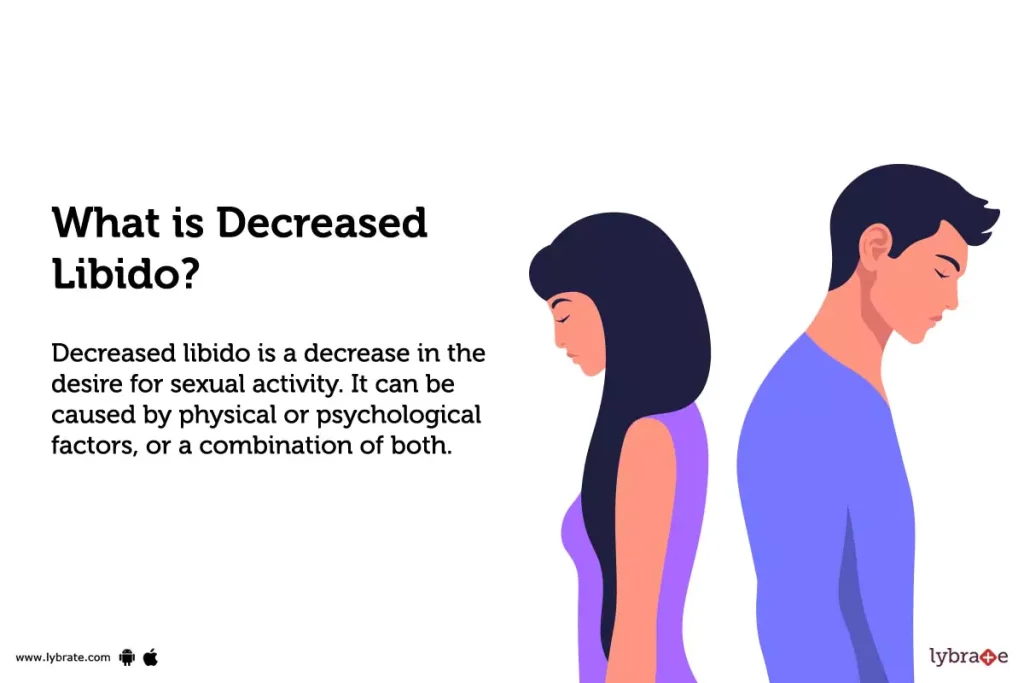
1. Reduced libido (sex drive)
- High blood sugar levels, nerve damage, hormonal imbalances (such as low testosterone in men and women), stress, anxiety, depression, and certain medications can all contribute to decreased sexual desire in individuals with diabetes.
- Managing diabetes effectively by controlling blood sugar, maintaining a healthy weight, and addressing psychological factors can help improve libido.
2. Sexual problems in men:
- Erectile Dysfunction (ED): Damage to blood vessels and nerves due to high blood sugar can impair blood flow to the penis, making it difficult to achieve or maintain an erection sufficient for satisfactory sexual intercourse.
- Low Testosterone: Men with diabetes, particularly those who are older and overweight, have a higher risk of developing low testosterone levels, which can lead to reduced libido and contribute to ED.
- Ejaculation Problems: Diabetes can also cause issues like premature ejaculation, delayed ejaculation, or retrograde ejaculation (where semen enters the bladder instead of exiting the penis) due to nerve damage.
- Reduced Sensation: Neuropathy can affect sensation in the genital area, potentially leading to decreased sexual pleasure.
- Peyronie’s Disease: Diabetes increases the risk of developing Peyronie’s disease, a condition involving fibrous scar tissue in the penis that can cause painful or curved erections.
3. Sexual problems in women:
- Vaginal Dryness: High blood sugar levels and nerve damage can reduce blood flow to the vagina, leading to decreased lubrication and potentially painful sex.
- Reduced Sensation: Similar to men, neuropathy in women can decrease genital sensitivity, making arousal and achieving orgasm more challenging.
- Increased Risk of Infections: Poorly controlled diabetes can increase the risk of vaginal yeast infections and urinary tract infections (UTIs), which can cause discomfort and pain during sexual activity.
- Difficulty Achieving Orgasm: Nerve damage and decreased sensitivity may contribute to difficulty reaching orgasm.
4. Psychological impact:
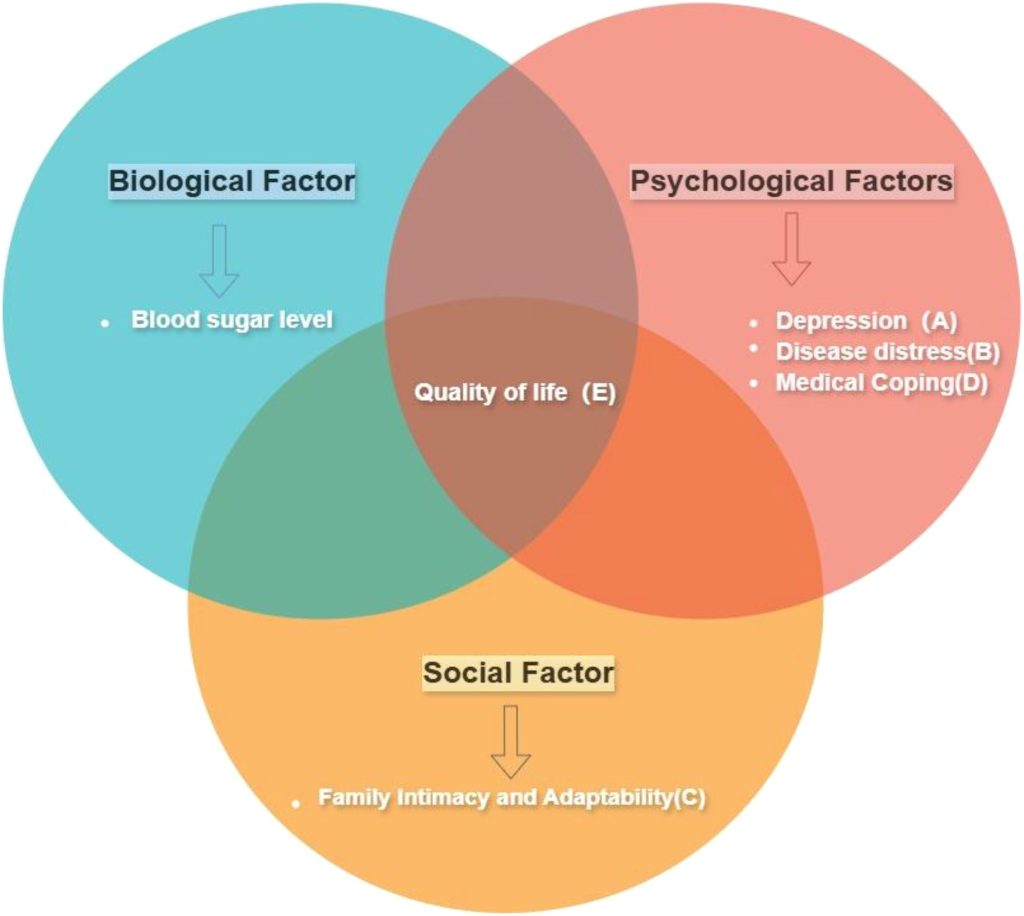
- Living with diabetes can be emotionally taxing, leading to stress, anxiety, depression, and body image issues, all of which can negatively affect sexual function and satisfaction.
- Relationship dynamics can also be strained due to diabetes-related sexual challenges, highlighting the importance of open communication and support.
5. Blood sugar fluctuations during sex:
- Sexual activity is a form of exercise and can cause blood sugar levels to fluctuate, potentially leading to hypoglycemia (low blood sugar), particularly in those using insulin or certain diabetes medications.
- It’s important to monitor blood sugar levels before and after sex and have fast-acting carbohydrates readily available in case of a hypo.