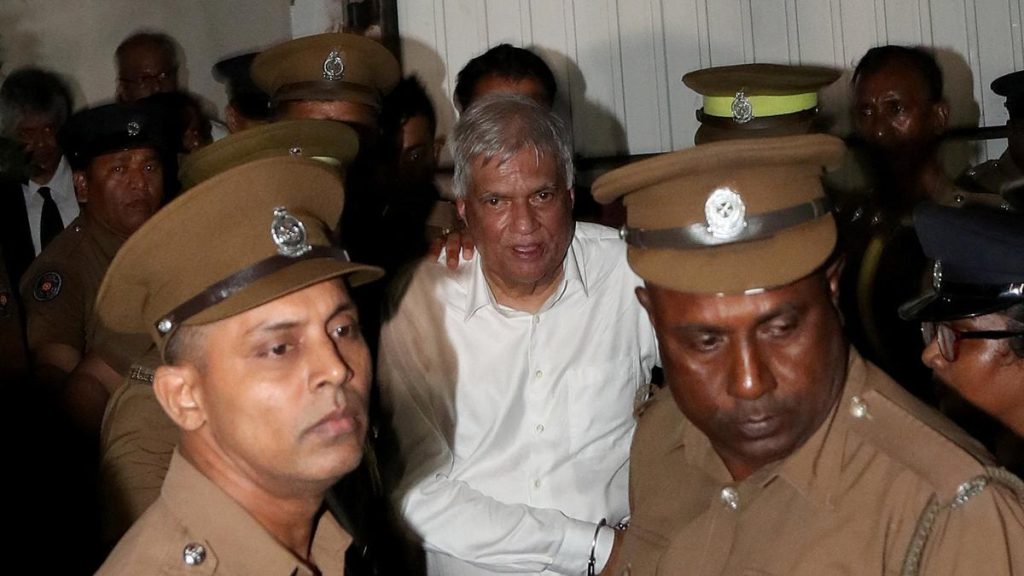
Former Sri Lankan President Ranil Wickremesinghe has been taken to the intensive care unit of Colombo National Hospital, one day after his arrest on charges of corruption. His hospital admission comes in the aftermath of growing political and legal unrest against his alleged embezzlement of government funds. Wickremesinghe was remanded in custody on 22 August 2025, after a Colombo magistrate found reasonable grounds to pursue a case charging him with illegally spending more than 16 million Sri Lankan rupees — around £41,000 — to pay for a private section of a foreign visit in 2023. The trip section was after attending the G77 summit in Cuba and the United Nations General Assembly in New York. The row revolves around his sidetrack to the United Kingdom, coinciding with the time his wife was conferred with an honorary professorship by the University of Wolverhampton. Prosecutors say that the side trip was not for any official reason, and public funds were spent on the trip. Wickremesinghe has, however, insisted that he has done nothing wrong, saying his wife covered the costs of her trip and the UK visit was a short one for diplomatic reasons.
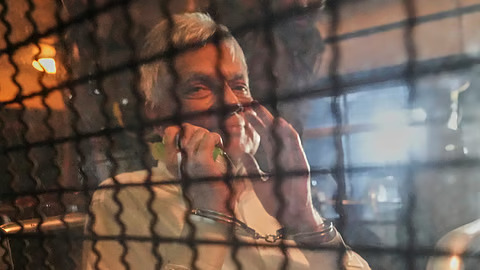
Hours after being put in remand custody, Wickremesinghe was said to have begun suffering from health issues related to dehydration and pre-existing conditions such as diabetes and high blood pressure. Over the course of the night, his condition worsened, leading prison authorities to grant him an emergency medical transfer to Colombo National Hospital in the early morning hours of August 23. There, he was confirmed to be in a stable but weakened condition and was admitted to the ICU for observation and treatment. His lawyers later presented medical reports to the court, claiming that the former president’s health is such that further detention is unsafe and inhumane.
The arrest and hospitalization have caused a huge controversy in Sri Lanka’s political arena. Wickremesinghe is the first alive former president in Sri Lankan history to be arrested, which is a dramatic change in the tone of accountability for politicians. His arrest was made at the behest of the new government headed by President Anura Kumara Dissanayake, which assumed power in early 2025 with a virulent anti-corruption agenda. The regime has framed Wickremesinghe’s arrest as a show of its commitment to institutional integrity and the rule of law, which has been met with both acclaim and criticism. Whereas some see it as a very belated settling of accounts with political elites, others — and especially Wickremesinghe’s allies — claim the case is politically motivated and does not have enough legal grounds.
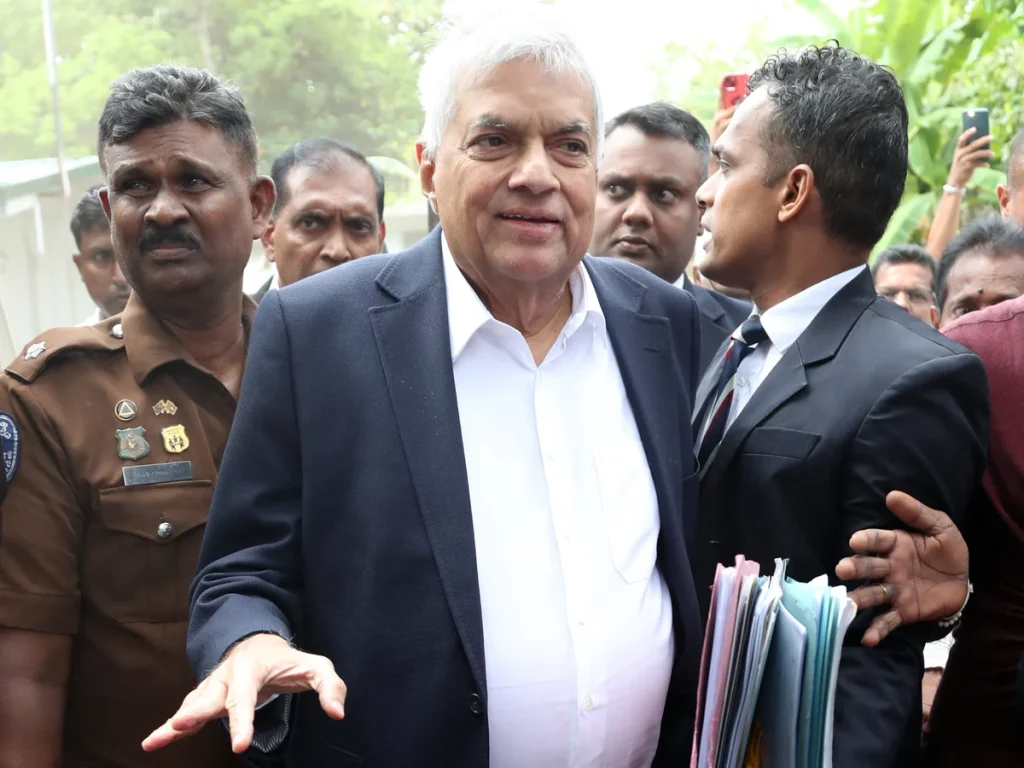
Ignoring the severity of the charges and his ailment, Wickremesinghe was said to have remained calm and composed during visits from some political friends at the hospital. He described the arrest as “a part of the game in politics” and expressed his readiness to endure the forthcoming legal ordeal. The court is yet to make a determination whether he will be released on bail or permitted to stay in hospital custody under judicial care. The next hearing is imminent within days, where both his health condition and the pace of the case will be assessed.
This high-profile case has sharpened public discussion in Sri Lanka regarding the record of past leaders, the autonomy of the judiciary, and the success of anti-corruption campaigns. The nation is watching as the verdict in both the judicial process and Wickremesinghe’s recovery might have a huge impact on Sri Lanka’s democratic future and political stability.