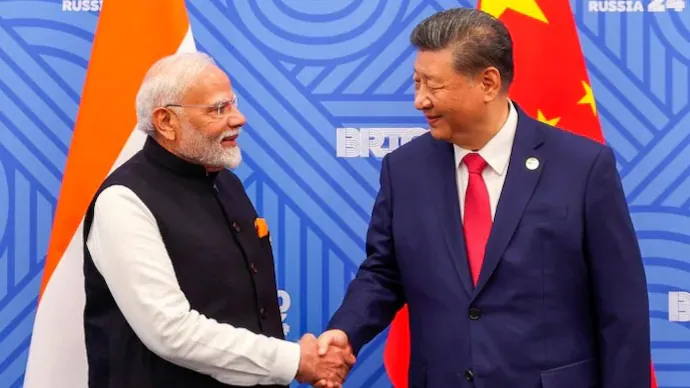
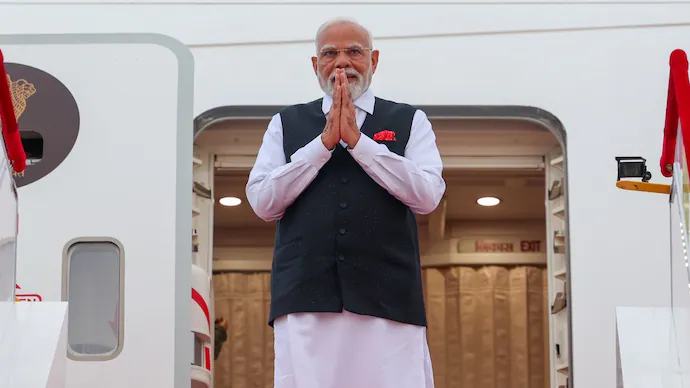
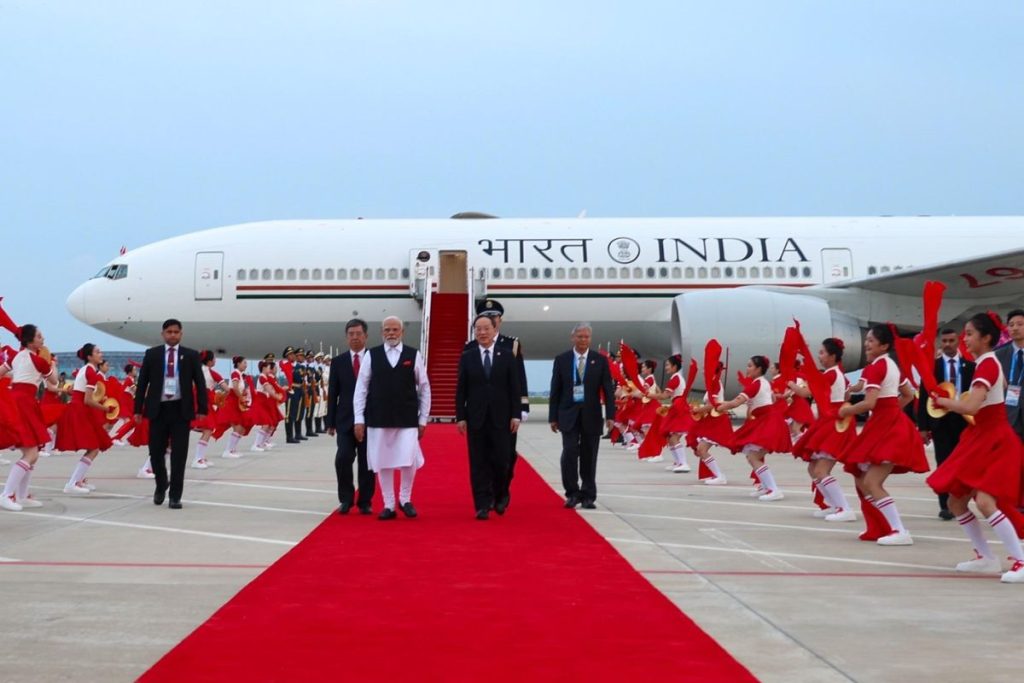
Prime Minister Narendra Modi arrived in Tianjin on August 30, 2025, marking his first official visit to China since 2018. Modi is attending the 25th SCO (Shanghai Cooperation Organisation) Summit, hosted by President Xi Jinping from August 31 to September 1. He is expected to hold bilateral meetings with both Xi Jinping and Russian President Vladimir Putin, reflecting India’s diplomatic agility amid rising US-India tensions
Strategic Context: Why This Visit Matters
This visit occurs against the backdrop of strained relations with the US, following President Trump’s 50% tariffs on Indian goods—25% of which is directly linked to India’s purchase of Russian oil. In response, New Delhi is recalibrating its foreign posture through deeper engagement with both China and Russia, without abandoning its non-aligned stance.
Key Agendas: Border, Connectivity, Security
Modi’s talks with Xi will focus on de-escalating border tensions, particularly along the Line of Actual Control (LAC), resumption of direct flights, and improving visa facilitation—initiatives agreed earlier in 2025 during Chinese Foreign Minister Wang Yi’s visit to New Delhi.
India also aims to push for strong condemnation of cross-border terrorism in the SCO joint statement, reinforcing the bloc’s founding anti-terror objectives.
Modi–Putin: Strengthening India-Russia Ties
On the sidelines of the summit, Modi will meet President Vladimir Putin, giving the two leaders a chance to follow up on earlier discussions this year and prepare for Putin’s visit to India in December 2025. Talks are expected to include bilateral trade, energy cooperation, and the broader Russia–Ukraine conflict—which has pushed Moscow closer to Beijing while increasing India’s strategic balancing act
Geopolitical Implications
With over 20 heads of state expected, including Pakistan’s PM Shehbaz Sharif, Iran’s President Masoud Pezeshkian, and others, the Tianjin summit represents a diplomatic flashpoint against the rising backdrop of US economic isolationism. China, keen to assert its leadership, will also stage a high-profile military parade in Beijing’s Tiananmen Square—with Putin as a key guest—after the summit concludes.
For India, Modi’s engagement underscores New Delhi’s commitment to proactive diplomacy, seeking to restore trust with Beijing, reinforce strategic autonomy, and broaden its security and economic partnerships amid shifting global alignments.
- Joint SCO declaration: Will India successfully rally members around stronger anti-terror language?
- Bilateral outcomes: Any specific breakthroughs on border mechanisms, connectivity, or trade?
- Modi–Putin communique: Will the December visit be formally announced, and will defense and energy clauses be signed?
- Broader signals: The tone and optics of India-China proximity may shape India’s relations with the Quad and US in the months ahead.
This summit—and Modi’s re-engagement with both Xi and Putin—marks a pivotal moment in India’s global diplomacy, reflecting its nuanced balancing act between East and West amid intensifying geopolitical friction.