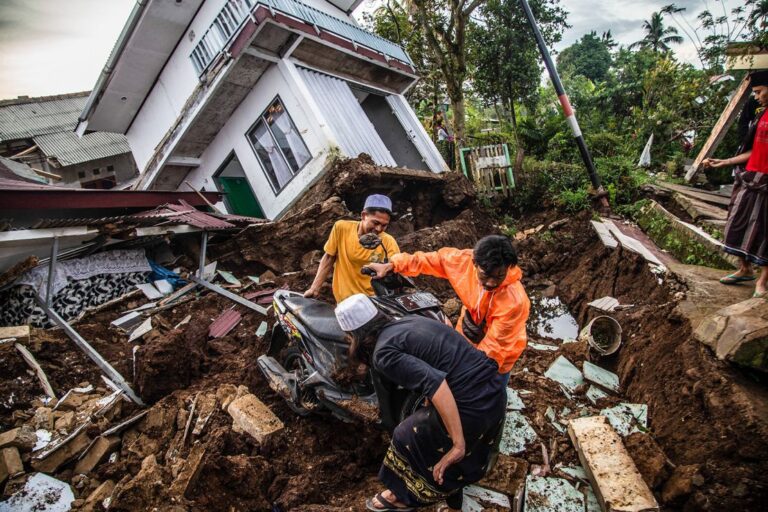
In the last days of August 2025, one of Afghanistan’s deadliest natural disasters in decades hit the country. On late Sunday evening, August 31, an earthquake with a magnitude of 6.0 struck the country’s eastern provinces, with Kunar and surrounding mountain villages being the most affected. Entire communities, made up of mud bricks and wood, were flattened by the earthquake, with families buried under the collapsed structures. According to initial reports, over 1,400 individuals had been confirmed killed and at least 3,000 more hurt, although the death toll was set to increase as rescue missions continued. The devastation was so severe that entire villages were left in heaps of clay and dust, with the survivors deprived of shelter, food, and clean water. Foreign agencies and aid groups were mobilized for immediate assistance as local rescue teams, with limited resources, struggled to search for survivors.
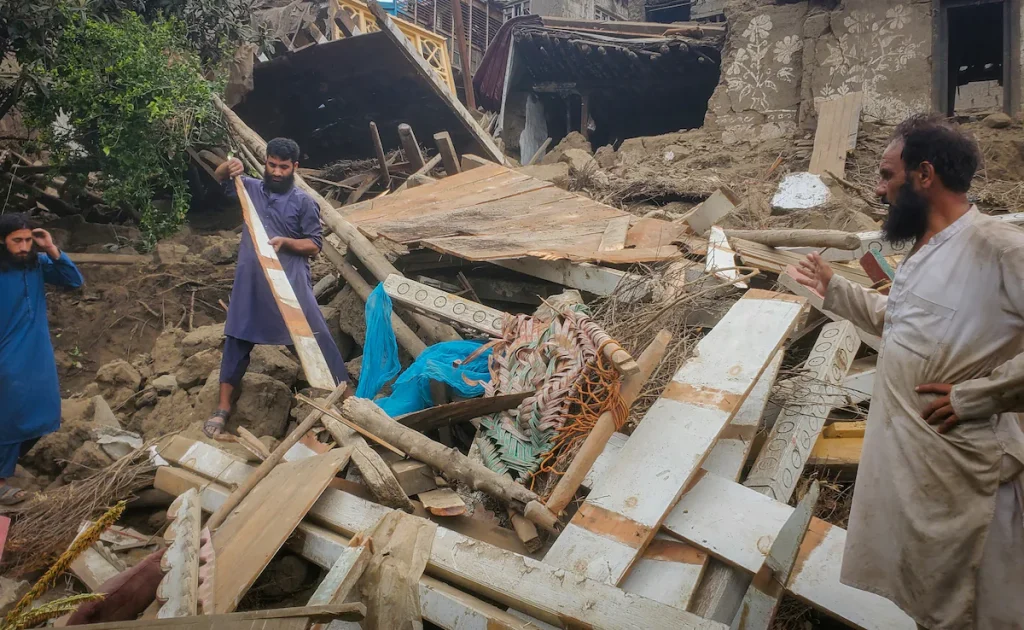
Just under two days later, on Tuesday, September 2, the same area was shaken once again, this time by an earthquake measuring 5.2 on the Richter scale. This second quake hit close to the epicenter of the initial calamity and was labeled by seismologists as an aftershock and not a new independent earthquake. Although it failed to register any reported immediate new deaths or serious structure collapses, the aftershock heightened tension among the survivors, who already were sleeping outdoors in open fields for fear their already collapsed homes would do so again. For the already traumatised communities, the tremor intensified the feeling of insecurity and brought into focus the vulnerability of the situation in the wake of the bigger quake.
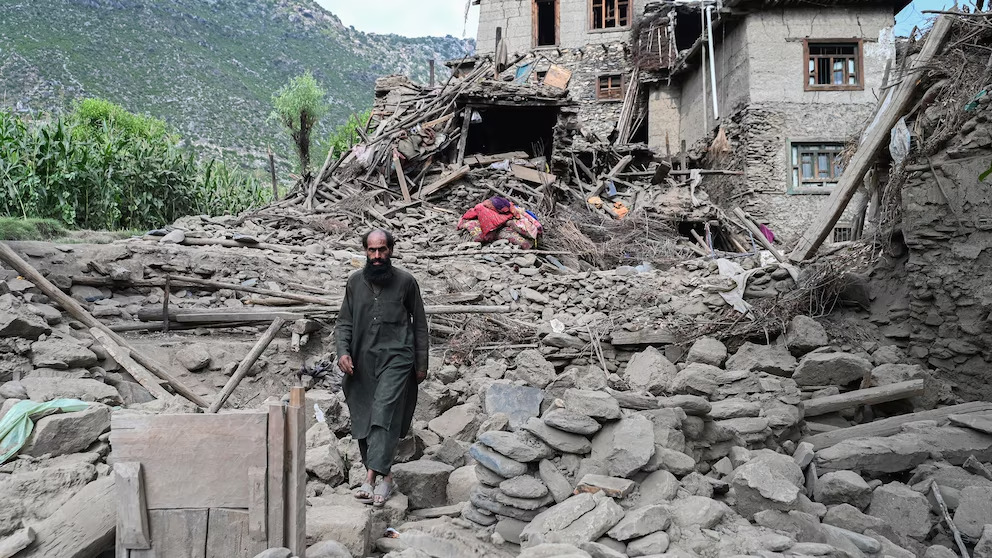
The tandem of the devastating first earthquake and the resulting aftershock produced a humanitarian disaster in Afghanistan, a nation already struggling economically and with limited infrastructure. The Taliban government made desperate pleas for foreign assistance, and international relief organizations started mobilizing assistance. The depth of the tragedy is still developing, but the twin shocks in such quick succession have stunned the country and highlighted the nation’s susceptibility to earthquake disasters.