A fresh warning from the International Energy Agency (IEA) has raised serious concerns about the global energy market. According to its chief Fatih Birol, oil supply disruptions are expected to double in April, and Europe could soon face the consequences.
What Is Happening Right Now?
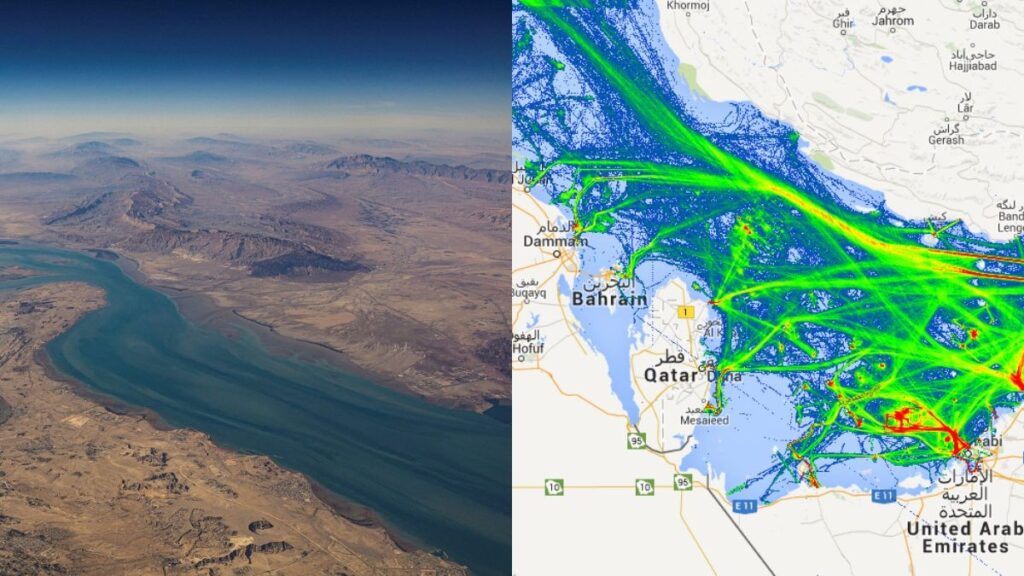
The current crisis is mainly linked to the ongoing conflict in the Middle East, especially around the Strait of Hormuz—one of the most important oil transit routes in the world.
- A large portion of global oil passes through this narrow waterway
- Ongoing tensions and attacks have disrupted shipping
- Several energy facilities have been damaged
As a result, more than 12 million barrels of oil per day have already been lost from global supply.
Why Will Disruptions Double in April?
Experts say March was somewhat stable because oil shipments had already been sent before the conflict intensified. But April is expected to be very different.
- Oil losses in April could be twice as high as in March
- New shipments are being blocked due to ongoing conflict
- Liquefied natural gas (LNG) supply is also affected
In simple terms: what was already “on the way” arrived in March—but now supply lines are breaking down.
How Will Europe Be Affected?

So far, Asia has started feeling the shortage first. But according to the IEA, Europe could soon face similar problems.
- Shortage of diesel and jet fuel is expected
- Energy prices may rise sharply
- Economic growth could slow down
The crisis could begin affecting Europe as early as April or May, especially as supplies continue to shrink.
How Serious Is This Crisis?
The IEA has described the current situation as one of the biggest energy disruptions in history.
- Larger than the oil crises of the 1970s
- Worse than the 2022 energy crisis caused by the Russia-Ukraine war
- Around 40 major energy sites have been damaged
This shows how deeply global energy systems are being affected.
What Steps Are Being Taken?
Governments and global agencies are trying to control the situation:
- Release of emergency oil reserves (record levels already used)
- Plans to reduce fuel consumption (like remote work, lower travel)
- Coordination between countries to manage supply
However, experts warn that these are temporary solutions, not permanent fixes.