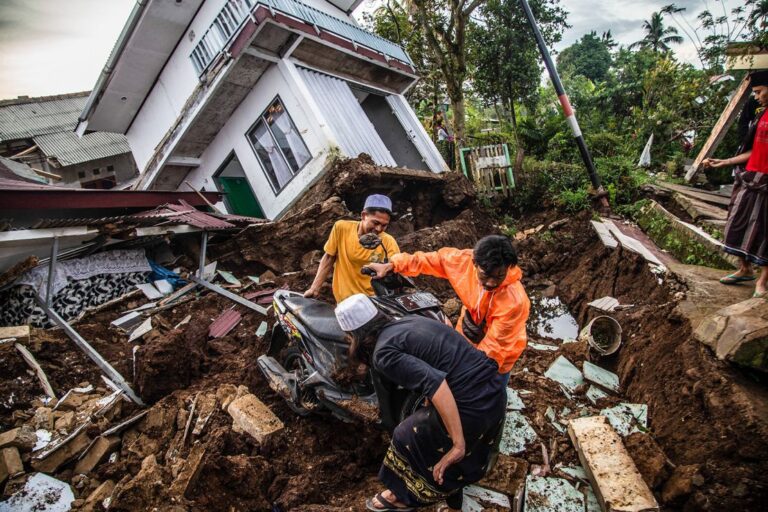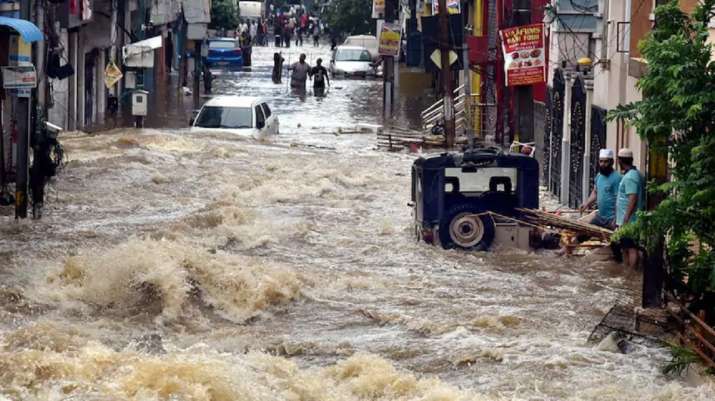
In a catastrophic twist of fate, Pakistan has been hit with one of the most lethal flash flood tragedies in recent times. Fueled by a powerful cloudburst and relentless monsoon rains over days, flash floods have inundated huge tracts of the nation, claiming the lives of at least 159 people, with the number of fatalities still on the rise as rescue efforts are in motion. The worst-affected areas are Khyber Pakhtunkhwa, Balochistan, and Punjab, where rivers were swollen, streams overflowed, and landslides destroyed homes and swept away roads and bridges.
The officials say that the rain came on unexpectedly and built up rapidly, overwhelming both the urban drainage system and the rural water channels. The amount of rain was so large in such a limited time period that it converted normally manageable rivers into torrential floods that destroyed everything in their path. In most of the villages and towns, entire communities were engulfed within minutes, leaving people with no time to move out. Testimonies from eyewitnesses explain horrifying images of rampaging water sweeping away cattle, cars, and humans. Houses were divided by families attempting to evacuate rising water, and numerous people are still unaccounted for. Local officials confirmed that many of those killed are women and children, either trapped in collapsed homes or carried away by the rushing waters.
The extent of damage has triggered a state of national emergency. Military, local government, and international relief rescue teams have been deployed across stricken areas. Helicopters have airlifted stranded residents from rooftops, and boats ply flooded streets to look for survivors. Relief efforts in rural areas where road networks have been damaged are severely logistically challenged. Supplies of food, clean drinking water, and medicine are short, and thousands of families are taking refuge in packed relief camps.
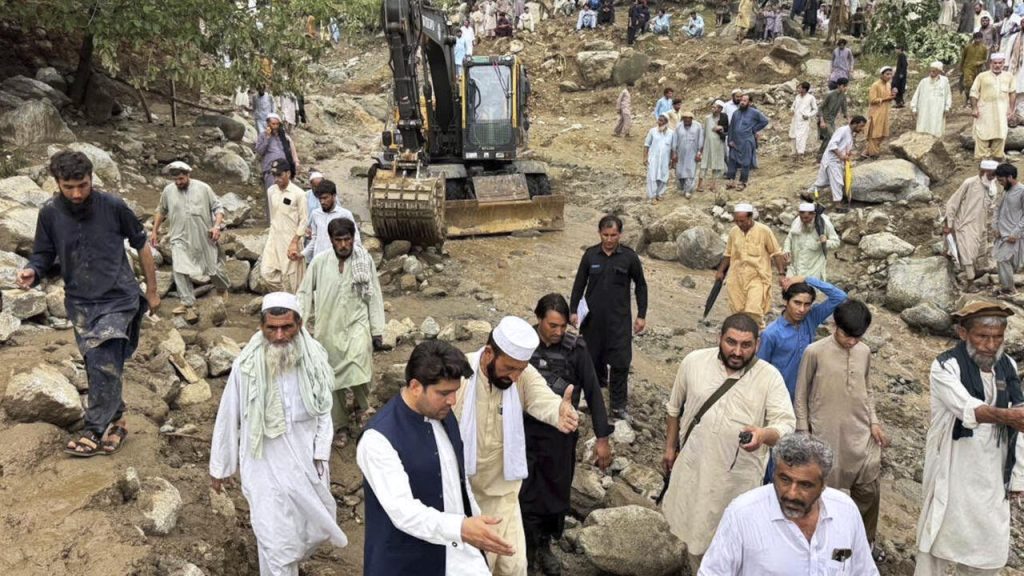
Landslides caused by soil saturation have further compounded the mayhem in Balochistan and northern Pakistan, burying houses and isolating whole communities from the rest of the country. Power outages have further worsened the situation, with some districts remaining in the dark and without mobile connectivity for days. Hospitals in some cities are finding it difficult to cope with the number of injured individuals, who are mostly victims of floods, trauma, fractures, and infections caused by exposure to floodwaters. Emergency camps are being opened in schools, mosques, and government offices, but displaced populations are multiplying at an alarming rate.
The Pakistan Prime Minister was filled with utmost grief over the loss of life and assured full govt. support for rehabilitation and rescue operations. He also requested the international community’s help, especially in sending medical supplies, tents, and rescue gear. Climate change experts warned that these extreme weather occurrences are becoming a regular occurrence. Pakistan, having emitted relatively little greenhouse gases, is still one of the world’s most climate-exposed countries. This new disaster is a stark reminder of the vulnerability of its infrastructure and the need for investment in flood defenses and early warning systems.
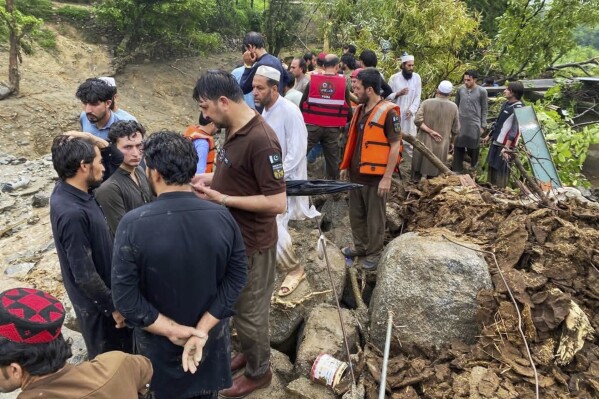
The effect of the floods is not only on human lives. Farm lands have been washed away just a few weeks before the harvesting season, and the threat of food insecurity looms in the upcoming months. Highway lines and railroad tracks have been severely damaged, and they could affect the supply chain and add to the burden on the economy. With the rains still pouring in certain parts of the country, meteorologists have renewed the alarm for potential further flooding, particularly low-lying areas as well as major rivers.
Even as the waters of the flood may subside in the days to come, the psychological, physical, and economic wounds will linger for months, if not years. The photos coming out of Pakistan attest not just to a country facing nature’s wrath, but also to people showing extraordinary valour and resilience. As search and rescue efforts go on, the full extent of the disaster is still emerging, and the top priority continues to be saving lives, restoring families, and starting the long journey of reconstruction.