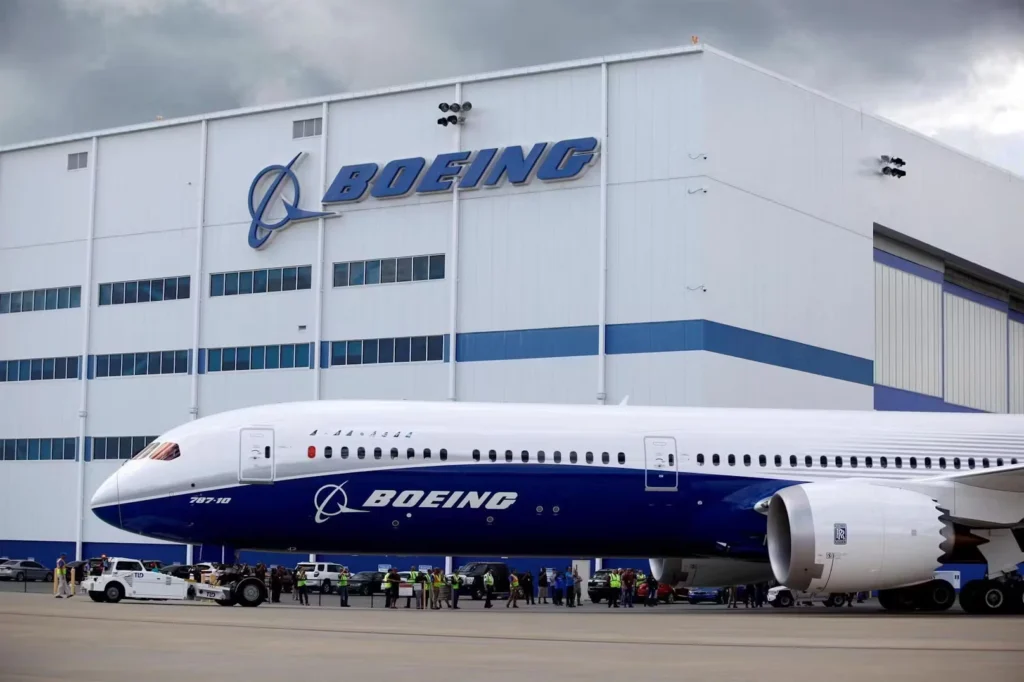
Russia has made a major leap in its aviation aspirations with the patenting of a new generation of widebody jets designed to compete directly with Boeing’s 787 Dreamliner. The development is both a strategic and symbolic achievement for Russia’s aerospace sector, which has been reeling from sanctions, outdated technology, and restricted access to worldwide supply chains.
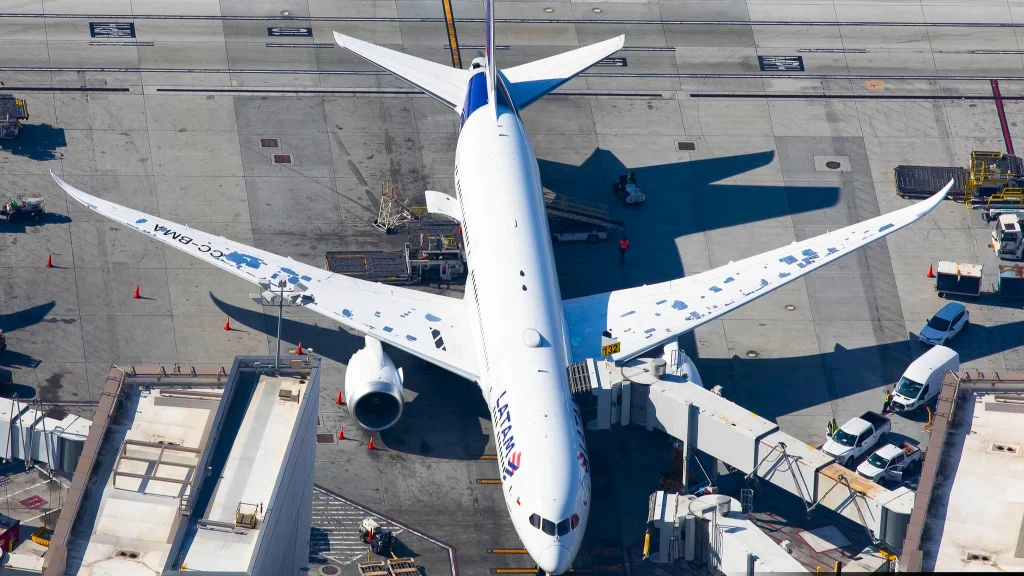
The recently patented plane comes under what is now referred to as the WBLRA series, or Widebody Long-Range Aircraft. There are three major variants in the family, as per industry reports and patent filings. The WBLRA-500 is the smallest in size, with a capacity of approximately 236 passengers and a range of about 12,000 kilometers. The WBLRA-600 mid-sized aircraft is intended to carry approximately 281 passengers and has a flying range of 13,600 kilometers, making it directly comparable to the Boeing 787-9. The WBLRA-700 is a stretched model to hold around 320 passengers with a range of 10,300 kilometers, aiming directly at the same market segment as the Boeing 787-10.
What makes this patent especially significant is that it describes not only a design but a vision of efficiency and competitiveness. The documents assert that the WBLRA-600, specifically, would be superior to the Boeing 787-9 in operating economics. On an apple-to-apple comparison, the Russian design is to have three percent lower ownership costs and six percent lower direct operating costs. When done on a per-seat-kilometer basis, the savings are mentioned even more strongly at 11 to 13 percent lower ownership costs and 15 to 17 percent reduced direct operating costs compared to the American plane.
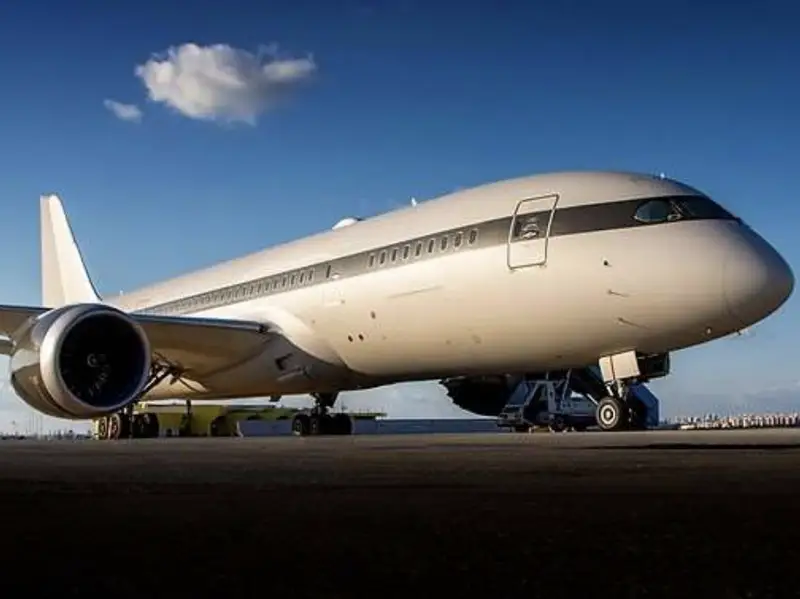
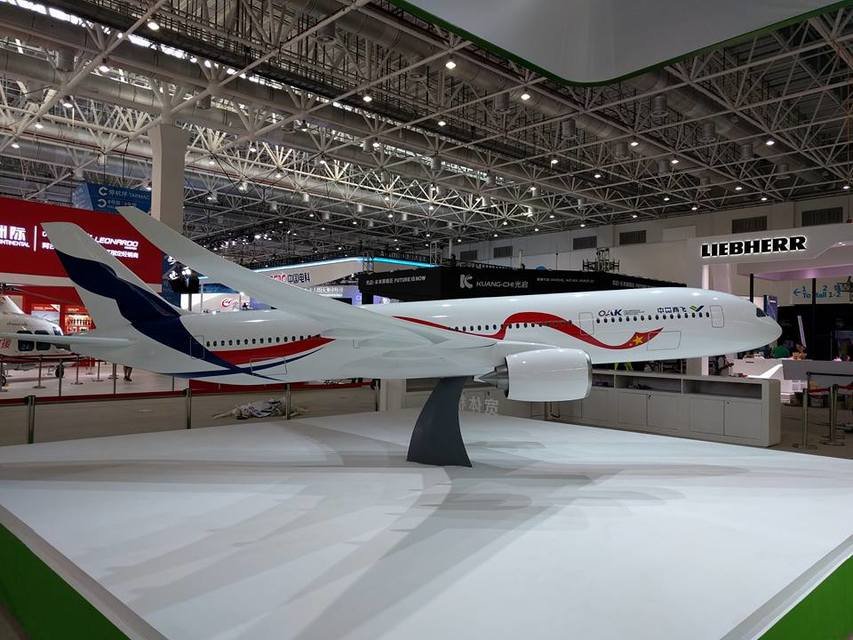
Much of this efficiency drive comes as a result of utilizing polymer composite materials that lower weight and improve fuel efficiency. This is on par with the technological breakthroughs that provided the Boeing 787 and Airbus A350 with their competitive advantage. With these cutting-edge materials, Russia aims to close the gap with international standards, in addition to marking a turning point towards aerospace self-sufficiency. This is particularly important as Russia recently pulled out of the CR929 collaboration with China, a project previously aimed at creating a long-range widebody airplane for worldwide markets. The choice to develop the WBLRA project on its own demonstrates Moscow’s commitment to taking back control in one of the most technically challenging fields of civilian aviation.
Although grandiose declarations and the potential of the WBLRA project are there, numerous challenges exist. The patent lacks specific information about the engines, development partners, or paths for certification. To build a contemporary widebody aircraft is not only a matter of staggering financial resources but also of highly advanced components, complex avionics, and rigorous testing under conditions usually involving international cooperation. With Russia currently under sanctions limiting its ability to access Western technology and suppliers, there are doubts about whether these planes will progress beyond paper to production.
Strategically, the WBLRA patent proves Russia’s desire to have a presence within the global civil aviation market, especially in the long-haul sector dominated by Boeing and Airbus. The project outlines a desire to provide airlines a lower-cost option, as well as to strengthen Russian aviation capabilities. The path from patent to production, however, is long and studded with snares. For the moment, WBLRA series is a vision of what Russia seeks to be—a clean, efficient homegrown widebody plane that may some day sit alongside the world’s most advanced commercial airliners.